
To use a nitroglycerin transdermal patch safely, you must apply it correctly to clean, hairless skin, adhere to a strict on-off schedule to prevent your body from building tolerance, and be vigilant for signs of low blood pressure, such as dizziness or fainting. This medication is designed for the prevention of angina (chest pain), not for stopping an attack that is already in progress.
The core principle of using a nitroglycerin patch is balancing consistent delivery for angina prevention with a scheduled "patch-free" period each day. This daily break is essential to ensure the medication remains effective over the long term.
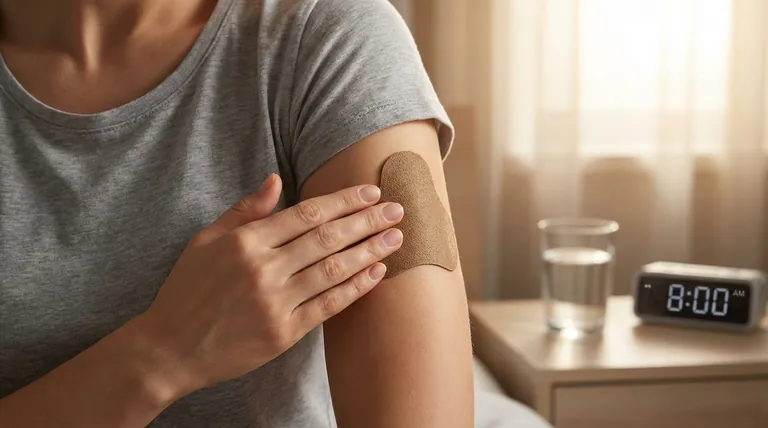
Mastering the Application: How and Where to Use the Patch
Correct application is the first step to ensuring the medication works as intended and is critical for both safety and effectiveness.
Choosing the Right Spot
Apply the patch to a clean, dry, and relatively hairless area of skin. Good locations include the chest, upper back, or upper arms.
Avoid applying the patch to irritated or broken skin, and do not place it on areas below the knee or elbow.
The Application Process
Use only one patch at a time unless specifically instructed otherwise by your doctor. Press it down firmly with the palm of your hand for several seconds to ensure it is sealed to the skin.
Always wash your hands thoroughly after handling a patch to avoid accidentally absorbing the medication through your fingertips.
Safe Handling and Disposal
Keep new and used patches out of the reach of children and pets, as accidental exposure can be dangerous.
Fold a used patch in half with the sticky sides together before disposing of it in a lidded trash can.
The Critical On/Off Schedule: Preventing Nitrate Tolerance
Your body can quickly adapt to nitroglycerin, making it less effective over time. The prescribed schedule is designed to prevent this.
Why a "Patch-Free" Period is Necessary
Continuous exposure to nitroglycerin leads to nitrate tolerance, a state where the medication no longer works as well to prevent angina.
To combat this, a daily patch-free interval of 10 to 12 hours is required.
The Standard Cycle
The patch is typically worn for 12 to 14 hours and then removed. After the 10 to 12-hour break, a new patch is applied.
It is crucial to follow your doctor's specific instructions for your wearing schedule.
The Risk of Rebound Angina
Be aware that some individuals may experience an increase in angina attacks during the patch-free interval.
Report any increase in chest pain to your doctor, but do not alter the schedule on your own.
Understanding the Trade-offs and Key Precautions
While effective, the nitroglycerin patch carries risks and requires awareness of potential interactions and side effects.
The Risk of Severe Hypotension
Nitroglycerin can cause a significant drop in blood pressure (hypotension), leading to dizziness, lightheadedness, and fainting.
This risk is especially pronounced in elderly patients. Always rise slowly from a sitting or lying position to minimize this effect.
Impaired Alertness and Coordination
The medication can impair your thinking and reaction times. Be cautious when driving or operating machinery until you know how it affects you.
Avoid consuming alcohol while using the patch, as it can intensify the blood pressure-lowering effects and increase dizziness.
Common Side Effects and Reactions
Headaches are a very common side effect, especially when starting treatment. They often lessen over time. Do not change your patch schedule to avoid them.
Watch the application site for signs of skin irritation or an allergic reaction, such as severe redness or itching.
Critical Interactions to Avoid
Do not apply external heat, such as a heating pad, over the patch, as this can increase the rate of drug absorption to dangerous levels.
You may need to remove the patch before undergoing an MRI scan, as some patches contain metal components. Always inform your medical team that you are using one.
Making the Right Choice for Your Goal
Adhering to a precise routine is the key to successfully managing angina with a transdermal patch.
- If your primary focus is correct daily use: Adhere strictly to the application site guidelines, hand washing, and the 12-hour on/off schedule prescribed by your doctor.
- If your primary focus is avoiding side effects: Rise slowly from a seated position, avoid alcohol and activities requiring alertness, and report any severe skin irritation or persistent low blood pressure to your physician.
- If your primary focus is long-term effectiveness: Never skip the "patch-free" interval to prevent tolerance, and do not stop the medication abruptly without medical guidance.
Properly managing your nitroglycerin patch transforms it from a simple medication into a reliable tool for maintaining your quality of life.
Summary Table:
| Key Precaution | Why It's Important |
|---|---|
| Strict On/Off Schedule | Prevents nitrate tolerance, ensuring long-term effectiveness. |
| Correct Application | Ensures proper drug delivery; apply to clean, dry, hairless skin on chest, back, or upper arms. |
| Monitor for Hypotension | Watch for dizziness/fainting; rise slowly to manage a significant drop in blood pressure. |
| Avoid Heat & MRI Risks | External heat can cause overdose; some patches contain metal, requiring removal before an MRI. |
| Safe Handling & Disposal | Prevents accidental exposure; fold used patch sticky-sides together before disposal. |
Need a Reliable Partner for Your Transdermal Patch Development?
As Enokon, a bulk manufacturer of reliable transdermal patches and pain plasters, we understand the critical balance of drug delivery, safety, and user compliance. If you are a healthcare or pharmaceutical distributor or brand looking to develop custom transdermal solutions, our technical expertise is your advantage.
We can help you:
- Navigate complex drug delivery challenges, like managing nitrate tolerance with precise release profiles.
- Ensure patient safety through robust patch design and clear usage instructions.
- Accelerate your time-to-market with our custom R&D and development capabilities.
Let's discuss how we can bring your safe and effective transdermal product to life. Contact our experts today for a consultation.
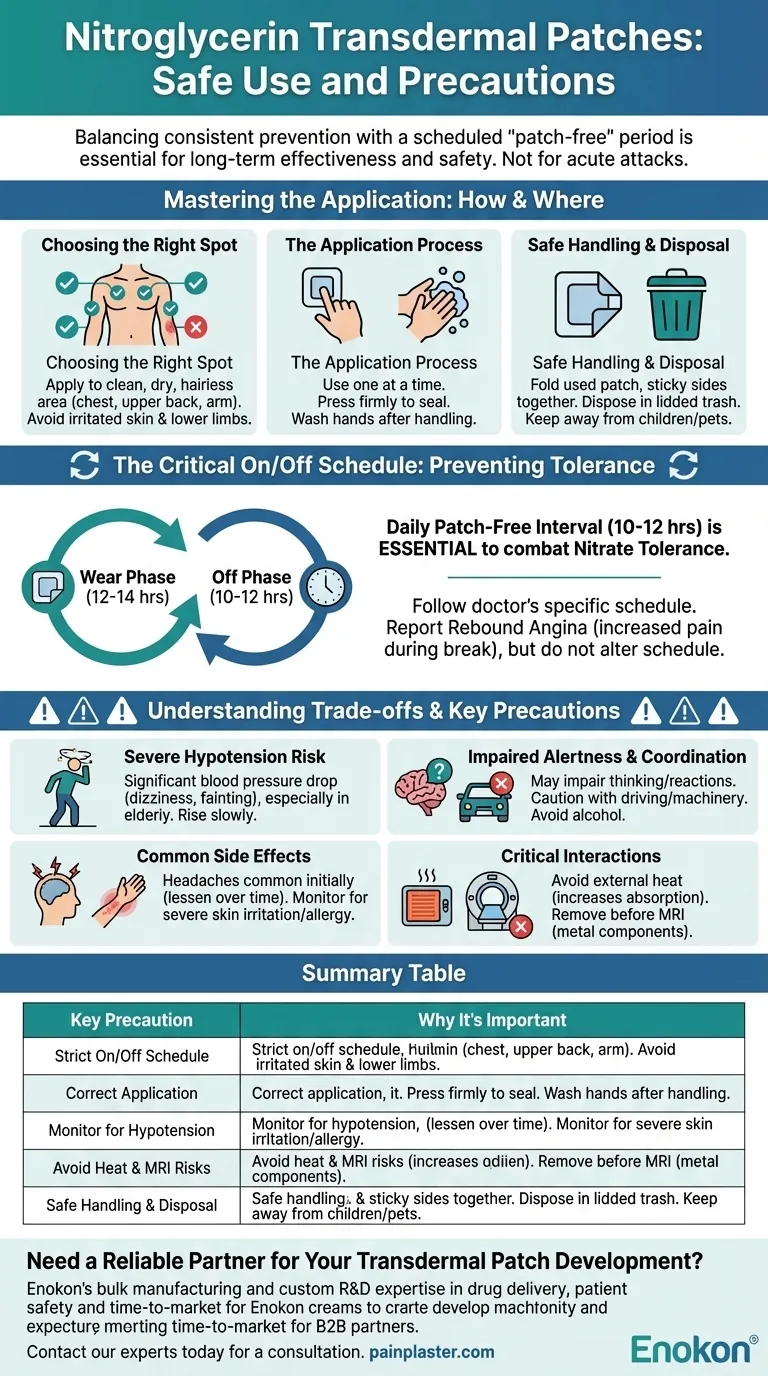
Visual Guide
Related Products
- Icy Hot Menthol Medicine Pain Relief Patch
- Menthol Gel Pain Relief Patch
- Far Infrared Heat Pain Relief Patches Transdermal Patches
- Silicone Scar Sheets Patch Transdermal Drug Patch
- Mugwort Wormwood Pain Relief Patch for Neck Pain
People Also Ask
- What alternatives exist for pain relief patches? Compare systemic meds & physical therapy
- When should the pain relief patch not be used? Key Safety Rules to Avoid Risks
- What are the key components of a pain relief patch? Unlock the Science of Targeted Pain Relief
- What is the duration of pain relief provided by the patches? Find the Right Patch for Your Pain
- What should you consider when choosing between a pain relief patch and a cream? Key Factors for Effective Pain Management



















