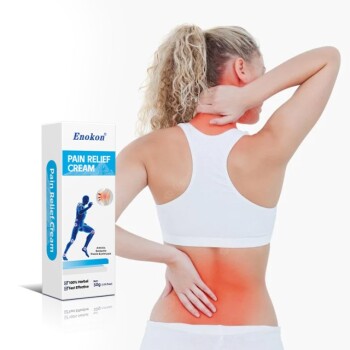
Transdermal patches serve as a vital long-acting delivery system in palliative analgesic protocols, providing continuous, non-invasive pain management. By facilitating the gradual release of active ingredients through the skin barrier, these patches maintain stable blood drug concentrations and eliminate the "peaks and troughs" associated with oral dosing. This method effectively prevents breakthrough pain while bypassing the digestive tract, significantly reducing common gastrointestinal side effects like constipation and nausea.
Core Takeaway: For palliative care providers and brand owners, transdermal patches represent a high-compliance solution that solves the dual challenge of swallowing difficulties and gastrointestinal distress. Their ability to provide multi-day, stable analgesia makes them a premium, indispensable component of modern chronic pain management portfolios.
The Strategic Advantage of Continuous Delivery
Maintaining Pharmacokinetic Stability
The primary function of a transdermal patch is to ensure a steady plasma concentration of medication over extended periods, often lasting several days. This stability is critical in palliative care, as it prevents the sub-therapeutic dips that lead to breakthrough pain.
Bypassing Gastrointestinal Barriers
Because the medication is absorbed directly into the systemic circulation, it avoids first-pass metabolism in the liver and irritation in the digestive tract. This is particularly beneficial for elderly or frail patients who suffer from opioid-induced constipation or have compromised digestive systems.
Enhancing Patient Compliance
In palliative settings, patients often face communication barriers or swallowing difficulties (dysphagia), making oral tablets impractical. Transdermal systems offer a "set-and-forget" alternative that ensures consistent dosing without the trauma of frequent injections or the burden of multiple daily pills.
Precision Engineering in Pain Management
Matrix vs. Reservoir Technologies
Advanced manufacturing utilizes either matrix-type or reservoir-type designs to control the release rate of potent analgesics. Matrix patches, where the drug is integrated into the adhesive, offer a thinner profile and reduced risk of "drug dumping," ensuring maximum safety for the end-user.
Formulation for High Penetration Efficiency
The efficacy of an analgesic patch depends on its penetration efficiency across the stratum corneum. Top-tier R&D focuses on specialized chemical enhancers and physical structures that allow high-potency molecules, such as buprenorphine or NSAIDs like diclofenac, to migrate effectively into the bloodstream.
Scalable Manufacturing and GMP Standards
For B2B partners, the reliability of these protocols depends on stringent quality control and massive production capacity. Utilizing GMP-certified facilities ensures that every patch delivers a precise dosage, protecting the brand's reputation and ensuring patient safety across global markets.
Understanding the Trade-offs and Limitations
Delayed Onset of Action
Transdermal patches are engineered for chronic management and are not suitable for acute, breakthrough pain due to the time required for the drug to reach steady-state levels. Clinical protocols must include short-acting "rescue" medications during the initial application phase.
Absorption Variability
External factors such as body temperature, skin integrity, and adipose tissue distribution can affect the rate of drug absorption. Manufacturers must provide clear guidance on placement and environmental factors (like heat pads) that could inadvertently accelerate drug release.
Skin Sensitivity and Adhesion
Long-term application can lead to localized skin irritation or contact dermatitis in sensitive palliative patients. High-quality medical-grade adhesives are essential to maintain contact for 24 to 72 hours without causing tissue damage upon removal.
Making the Right Choice for Your Portfolio
Strategic Recommendations for Brand Owners and Distributors
The selection of a transdermal partner should be based on the specific clinical needs of the target patient demographic and the required potency of the analgesic.
- If your primary focus is geriatric or dementia care: Prioritize patches with buprenorphine or similar high-potency ingredients that address swallowing difficulties and reduce agitation through stable delivery.
- If your primary focus is post-operative or inflammatory pain: Invest in NSAID-based patches (e.g., Diclofenac or Ketoprofen) that offer 24-hour relief and reduce the systemic requirement for opioids.
- If your primary focus is enterprise-level distribution: Partner with an OEM/ODM that offers turnkey R&D and massive production scale to ensure reliable high-volume delivery and global regulatory compliance.
Integrating advanced transdermal technology into analgesic protocols empowers clinicians to deliver more humanized, effective, and reliable care to those in need.
Summary Table:
| Key Feature | Benefit for Palliative Care | Enterprise Manufacturing Edge |
|---|---|---|
| Continuous Delivery | Prevents breakthrough pain peaks | Precision-engineered matrix/reservoir designs |
| Non-Invasive | Solves dysphagia & swallowing issues | Skin-friendly medical-grade adhesives |
| Systemic Absorption | Bypasses GI tract & liver metabolism | High-penetration efficiency formulations |
| Steady Release | Eliminates frequent dosing burden | GMP-certified 24h-72h stable production |
Scale Your Pain Management Portfolio with Enokon
As a brand owner, distributor, or wholesaler, you need a manufacturing partner that combines clinical efficacy with industrial scale. Enokon is a trusted manufacturer specializing in wholesale transdermal patches and turnkey contract R&D solutions. We help you deliver high-compliance analgesic protocols through our GMP-certified facilities and stringent quality control.
Our extensive production capabilities include:
- Pain Relief: Lidocaine, Menthol, Capsicum, Herbal, and Far Infrared patches.
- Specialty Care: Eye Protection, Detox, and Medical Cooling Gel patches.
- Custom Solutions: Tailored formulations and high-volume delivery (excluding microneedle technology).
Partner with Enokon for reliable supply, global certifications, and R&D prowess that secures your market position.
Ready to develop your custom formulation? Contact us today!
References
- Leanne K. Jackson, Ursula K. Braun. Buprenorphine Use for Analgesia in Palliative Care. DOI: 10.3390/pharmacy12030078
This article is also based on technical information from Enokon Knowledge Base .
Related Products
- Far Infrared Heat Pain Relief Patches Transdermal Patches
- Icy Hot Menthol Medicine Pain Relief Patch
- Menthol Gel Pain Relief Patch
- Mugwort Wormwood Pain Relief Patch for Neck Pain
- Lidocaine Hydrogel Pain Relief Patch for Pain Relief
People Also Ask
- Why is the selection of matrix materials critical when developing customized transdermal patches? Optimize Efficacy
- What role does a skin tolerance scoring system play in the safety evaluation of transdermal patches? Key Safety Metrics
- What are the physical impacts of external heat exposure on the performance and safety of transdermal patches? - Guide
- What are the clinical advantages of local transdermal delivery systems? Unlock Safer, More Effective Pain Relief Solutions
- How does high-purity far-infrared ceramic powder contribute to the efficacy of far-infrared physical therapy patches?