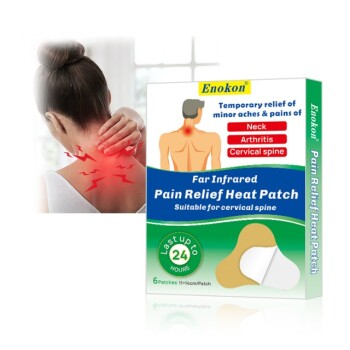
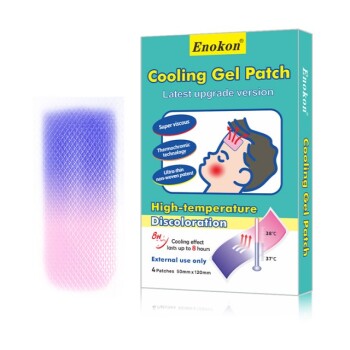
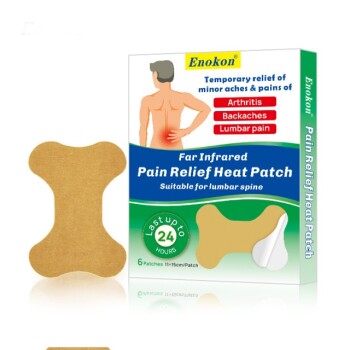
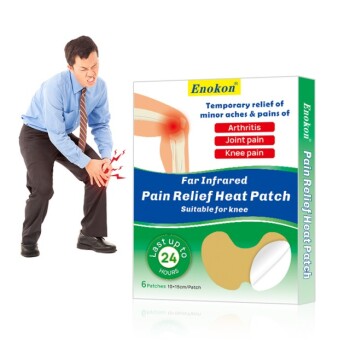
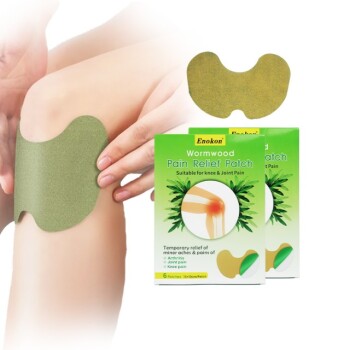
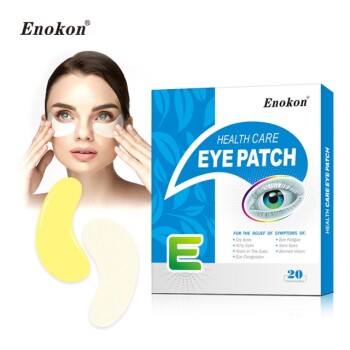
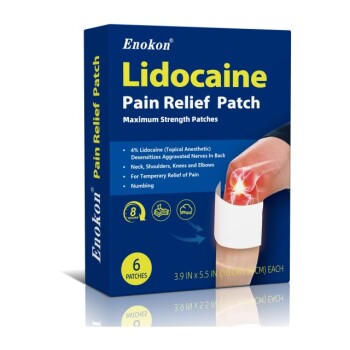
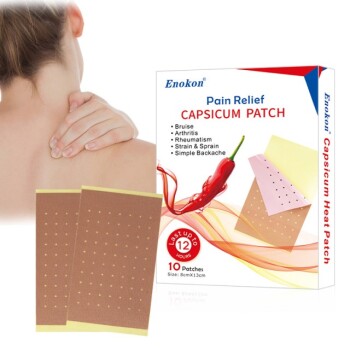
The synergy between occlusive dressings and pressure-sensitive adhesives is the foundation of transdermal efficacy. These components provide the mechanical stability required to keep a patch in place while simultaneously creating the biochemical environment necessary for drug absorption. By optimizing skin hydration and ensuring continuous contact, they transform a simple topical application into a sophisticated, controlled-release drug delivery system.
Core Takeaway: Occlusive dressings and pressure-sensitive adhesives (PSAs) function as both the structural anchor and the delivery interface of a transdermal patch, ensuring stable drug flux and patient compliance through advanced material science.
The Role of Occlusive Dressings in Drug Flux
Enhancing Permeability through Hydration
An occlusive dressing creates a closed microenvironment between the patch and the skin. This environment traps moisture, leading to the hydration of the stratum corneum, which significantly reduces the skin's natural barrier resistance.
Mechanical Fixation and Stability
Beyond biochemical benefits, these dressings provide vital mechanical fixation. This prevents the patch from shifting or detaching due to friction from clothing or patient movement, ensuring the therapeutic dose remains consistent over the entire administration period.
Pressure-Sensitive Adhesives as the Delivery Engine
Establishing the Diffusion Pathway
The pressure-sensitive adhesive (PSA) is responsible for maintaining tight, continuous contact between the drug reservoir and the skin surface. This "intimate contact" is a non-negotiable prerequisite for drug molecules to successfully partition from the patch into the body.
Serving as a Drug Reservoir Matrix
In many modern designs, the PSA serves as the drug carrier matrix itself. Expertly formulated adhesives—such as polyacrylates, polyisobutylene, or silicone—must be chemically compatible with the active pharmaceutical ingredient (API) to ensure a controlled and predictable release rate.
Balancing Adhesion and Biocompatibility
High-performance PSAs must provide immediate adhesion with only light pressure while remaining biocompatible. Leading manufacturers prioritize formulations that allow for long-term wear (up to several days) without causing skin irritation or leaving behind unsightly residue upon removal.
Understanding the Trade-offs and Challenges
Adhesion vs. Skin Trauma
A common pitfall in lower-tier manufacturing is an over-reliance on aggressive adhesives. While these ensure the patch stays on, they can cause mechanical skin damage or "skin stripping" during removal, which negatively impacts patient compliance and brand reputation.
Chemical Compatibility and Stability
The PSA must be carefully matched to the API; otherwise, the drug may crystallize or the adhesive may lose its tackiness over time. Achieving this balance requires sophisticated R&D capabilities and rigorous stability testing to ensure the product remains effective throughout its shelf life.
Maximizing Value in Transdermal Manufacturing
Leveraging Enterprise-Scale Expertise
For brand owners and distributors, the technical precision of the adhesive layer is a primary indicator of product quality. Partnering with a GMP-certified manufacturer ensures that these complex material interactions are managed with stringent quality control and high-volume reliability.
How to Apply This to Your Project
- If your primary focus is long-term wear (3–7 days): Prioritize occlusive materials with superior moisture vapor transmission rates and high-tack, medical-grade silicone or acrylate adhesives.
- If your primary focus is rapid drug onset: Select an occlusive dressing that maximizes stratum corneum hydration to quickly lower skin barrier resistance.
- If your primary focus is sensitive skin populations: Opt for hypoallergenic, silicone-based PSAs that offer a "clean peel" to minimize the risk of contact dermatitis and skin trauma.
Selecting the right combination of occlusive backing and adhesive matrix is the most critical decision in ensuring the clinical success and market viability of a transdermal product.
Summary Table:
| Component | Primary Function | Key Benefit for Users |
|---|---|---|
| Occlusive Dressing | Hydration & Fixation | Enhances skin permeability & ensures patch stability during movement. |
| Pressure-Sensitive Adhesive (PSA) | Diffusion Interface | Establishes continuous contact for steady drug release into the body. |
| Drug Matrix Layer | Controlled Reservoir | Houses the API and regulates delivery speed while ensuring biocompatibility. |
| Advanced Backing | Protection | Guards the formulation against external friction and environmental factors. |
Partner with Enokon for High-Performance Transdermal Solutions
As a trusted manufacturer and GMP-certified partner, Enokon specializes in turning complex material science into market-ready products. Whether you are a brand owner or a B2B wholesaler, our enterprise-level R&D and massive production capacity ensure your products deliver superior drug flux and patient comfort.
Our Capabilities for Brand Owners & Distributors:
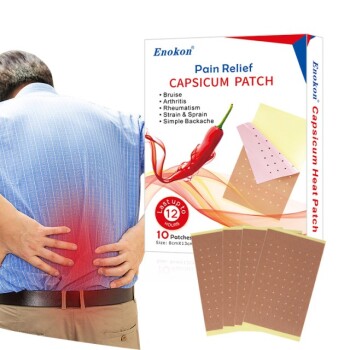
- Custom Formulations: Turnkey contract R&D for Lidocaine, Menthol, Capsicum, and Herbal pain relief.
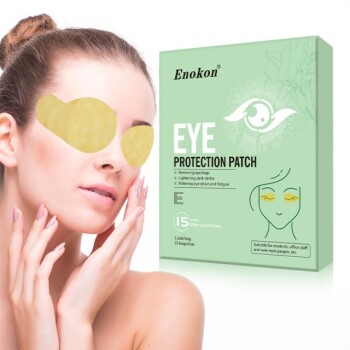
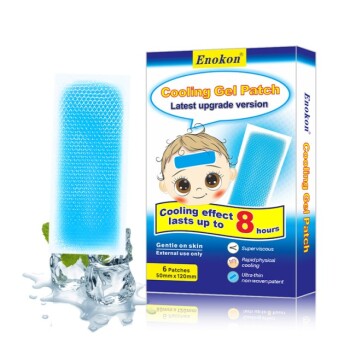
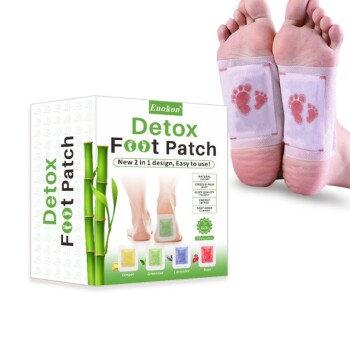
- Diverse Product Range: From Medical Cooling Gel and Detox patches to Eye Protection and Far Infrared solutions (excluding microneedle technology).
- Scalable Manufacturing: Reliable high-volume delivery with stringent quality control for global markets.
- OEM/ODM Excellence: Specialized adhesive selection to balance long-term wear with "clean-peel" biocompatibility.
Ready to elevate your product line with precision-engineered patches?
Contact Enokon Today to Discuss Your Project
References
- Majed Al Jeraisy, Mostafa A. Abolfotouh. Efficacy of scopolamine transdermal patch in children with sialorrhea in a pediatric tertiary care hospital. DOI: 10.1186/s12887-020-02336-x
This article is also based on technical information from Enokon Knowledge Base .
Related Products
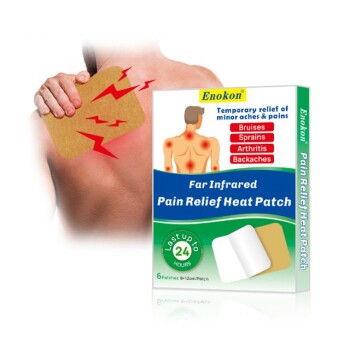
- Far Infrared Heat Pain Relief Patches Transdermal Patches
- Silicone Scar Sheets Patch Transdermal Drug Patch
- Icy Hot Menthol Medicine Pain Relief Patch
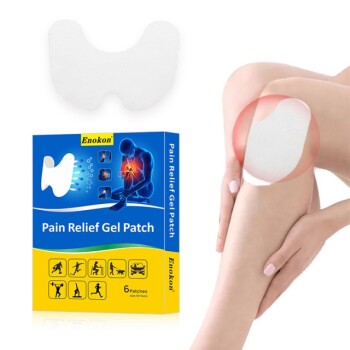
- Menthol Gel Pain Relief Patch
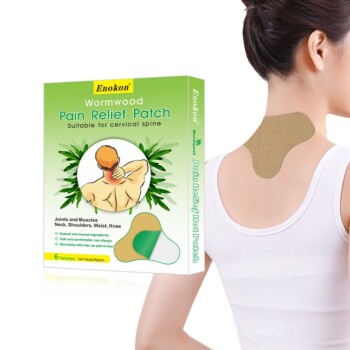
- Mugwort Wormwood Pain Relief Patch for Neck Pain
People Also Ask
- Why is the control of material particle size critical in the development of Far Infrared pain relief patches? Boost Efficacy
- Why is the selection of matrix materials critical when developing customized transdermal patches? Optimize Efficacy
- What are the physical impacts of external heat exposure on the performance and safety of transdermal patches? - Guide
- What are the clinical advantages of local transdermal delivery systems? Unlock Safer, More Effective Pain Relief Solutions
- What role does a skin tolerance scoring system play in the safety evaluation of transdermal patches? Key Safety Metrics