Hydroxyl-terminated polydimethylsiloxane (PDMS-OH) is the foundational structural backbone of medical-grade silicone elastomers used in transdermal drug delivery. It serves as the primary linear polymer base that, through its terminal hydroxyl groups, reacts with cross-linking agents to form a stable, flexible, and biocompatible matrix.
Core Takeaway: PDMS-OH provides the essential chemical architecture for silicone composites, enabling manufacturers to customize patch flexibility, drug-loading capacity, and release profiles while ensuring the chemical stability of the active pharmaceutical ingredient.
Engineering the Polymer Backbone for Transdermal Delivery
The Structural Foundation of Silicone Matrices
PDMS-OH functions as the primary linear polymer base for silicone composites. It provides the fundamental elastomer network that holds the entire transdermal system together.
By serving as the structural "skeleton," it determines the overall mechanical integrity of the patch. This ensures the device remains intact during application and removal.
Precision Through Terminal Hydroxyl Reactivity
The terminal hydroxyl groups are the reactive sites that allow for precise cross-linking. When exposed to catalysts, these groups facilitate the transition from a liquid or semi-solid state into a functional elastomer.
This reactivity is the key to custom formulations. It allows R&D teams to tune the density of the molecular network to meet specific drug delivery requirements.
Enhancing Product Stability and Manufacturing Efficiency
Protecting Heat-Sensitive Active Ingredients
In advanced manufacturing, PDMS-OH is often paired with specialized catalysts like aminopropyl-terminated polydimethylsiloxane (PDMS-NH2). This combination allows for room-temperature cross-linking.
Low-temperature curing is critical for maintaining the stability of heat-sensitive active pharmaceutical ingredients (APIs). This process prevents the degradation of the drug during the high-volume production cycle.
Defining Biocompatibility and Hydrophobic Properties
PDMS-OH inherently possesses high biocompatibility and chemical inertness. This makes it an ideal choice for brand owners targeting sensitive skin applications or long-wear patches.
The hydrophobic nature of the resulting silicone matrix also influences how the patch interacts with moisture. This property is vital for maintaining adhesive performance and drug flux in various environmental conditions.
Strategic Advantages in Large-Scale Manufacturing
Consistency Across High-Volume Runs
For wholesalers and distributors, the use of PDMS-OH in a GMP-certified facility ensures batch-to-batch consistency. The predictable behavior of this polymer allows for tight quality control during massive production runs.
Reliable polymer chemistry reduces the risk of "delamination" or inconsistent drug release. This protects the brand’s reputation by ensuring every patch performs to clinical standards.
Scalability of Custom Formulations
The versatility of PDMS-OH allows for rapid scaling of OEM/ODM projects. Because the base polymer is well-understood and highly stable, it can be adapted quickly for different drug reservoirs or rate-controlling membranes.
This flexibility enables brand owners to bring a diverse range of products—from pH-controlled patches to 24-hour delivery systems—to market with reduced R&D lead times.
Understanding the Trade-offs
Balancing Cross-Link Density and Diffusion
A higher degree of cross-linking in the PDMS-OH matrix increases mechanical strength but can restrict drug diffusion. Manufacturers must carefully calibrate this balance to ensure the drug reaches the skin at the intended rate.
Hydrophobicity vs. Drug Solubility
The natural hydrophobicity of silicone can be a challenge for highly hydrophilic (water-soluble) drugs. While this provides excellent moisture resistance, it may require additional excipients or specialized silicone emulsions to ensure uniform drug distribution within the reservoir.
How to Apply This to Your Product Strategy
Making the Right Choice for Your Goal
- If your primary focus is rapid market entry with a stable API: Utilize standard PDMS-OH formulations in a turnkey contract R&D environment to leverage existing stability data and manufacturing templates.
- If your primary focus is a heat-sensitive or high-potency drug: Request a room-temperature curing process using PDMS-OH and PDMS-NH2 catalysts to protect the integrity of your active compound.
- If your primary focus is long-term wear and patient comfort: Prioritize high-purity, medical-grade silicone elastomers derived from PDMS-OH to ensure maximum biocompatibility and moisture resistance.
By mastering the application of PDMS-OH, brand owners can deliver high-performance transdermal solutions that combine clinical efficacy with the reliability required for global distribution.
Summary Table:
| Key Feature of PDMS-OH | Functional Benefit | Strategic Impact for Brands |
|---|---|---|
| Linear Polymer Base | Provides structural "skeleton" | Ensures patch integrity and durability |
| Hydroxyl Reactivity | Enables precise cross-linking | Allows for customized drug release rates |
| Low-Temp Curing | Protects heat-sensitive APIs | Maintains potency of delicate ingredients |
| Biocompatibility | Skin-friendly and inert | Ideal for sensitive skin and long-wear |
| Hydrophobicity | Moisture and sweat resistance | Reliable performance in various climates |
Scale Your Brand with Enokon’s Advanced Transdermal Solutions
Are you looking for a manufacturing partner that combines technical R&D expertise with massive production capacity? Enokon is a trusted global brand and GMP-certified manufacturer specializing in high-performance transdermal drug delivery systems.
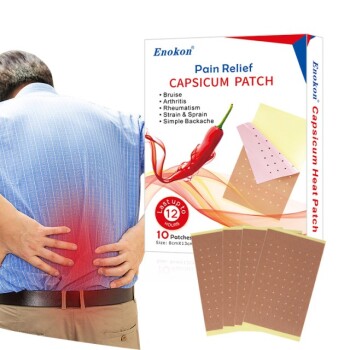
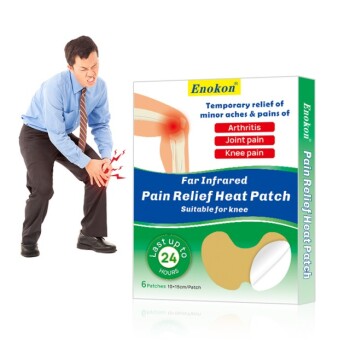
From turnkey contract R&D to large-scale OEM/ODM production, we help brand owners and distributors bring superior products to market. Our expertise in silicone composites ensures your patches—whether for Lidocaine, Menthol, Capsicum, Herbal pain relief, Eye Protection, or Detox—meet the highest clinical standards for stability and efficacy.
Why partner with Enokon?
- Custom Formulations: Tailored drug-loading and release profiles (excluding microneedle technology).
- Reliable Capacity: High-volume delivery backed by stringent quality control.
- Global Compliance: GMP-certified facilities ready for international distribution.
Contact Enokon Today to Request a Quote or Consultation
References
- M. L. Atabekyan. Effect of hydrophilizing additives on the desorption of furazolidone and diclofennac from silicone-based composites. DOI: 10.54503/0515-9628-2022.75.3-333
This article is also based on technical information from Enokon Knowledge Base .
Related Products
- Silicone Scar Sheets Patch Transdermal Drug Patch
- Far Infrared Heat Pain Relief Patches Transdermal Patches
- Icy Hot Menthol Medicine Pain Relief Patch
- Menthol Gel Pain Relief Patch
- Mugwort Wormwood Pain Relief Patch for Neck Pain
People Also Ask
- What is the function of PDMS-NH2 in silicone patches? Catalyzing Room-Temp Curing for Heat-Sensitive APIs
- What role does a silicone-based transdermal delivery system play in Parkinson's? Enhancing Early-Stage Patient Care
- Why is TEOS used as a cross-linking agent in silicone transdermal patches? Ensure Structural Integrity & Drug Stability
- How do PEG 200 and Glycerol modify silicone transdermal patches? Optimize Drug Release and Patch Flexibility
- How is the long-term skin tolerance of silicone-based transdermal patches evaluated in clinical settings? R&D and Safety