The Two-Step Titration method is a specialized clinical protocol designed to bridge the transition between intravenous (IV) infusion and transdermal drug delivery. By managing a precise 12-hour reduction of the IV dose alongside the initial application of a patch, this method ensures that therapeutic drug levels remain stable, preventing dangerous gaps in treatment or life-threatening over-sedation during the delivery route conversion.
Core Takeaway: The Two-Step Titration method synchronizes the declining plasma levels of an IV infusion with the rising drug release curve of a transdermal patch to ensure a safe, continuous, and effective transition for patients switching delivery formats.
Synchronizing Delivery Curves for Patient Safety
The 12-Hour Transition Mechanism
The transition begins by maintaining the full-dose intravenous infusion for the first six hours after the transdermal patch is applied. This overlap accounts for the "lag time" required for the patch to penetrate the skin barrier and establish initial plasma concentrations.
Following the first six hours, the IV dose is reduced by 50% for an additional six hours. At the 12-hour mark, the IV infusion is discontinued entirely, as the transdermal patch has reached a sufficient flux to maintain the therapeutic window independently.
Balancing Analgesia and Sedation
This gradual withdrawal is critical for balancing the analgesic transition. Without this synchronization, patients might experience a period of insufficient pain relief (if the IV is stopped too soon) or over-sedation (if the IV is maintained at full strength while the patch reaches peak concentration).
Scalable R&D and Multi-Strength Titration
R&D for Flexible Dosage Specifications
For brand owners and B2B partners, the success of titration protocols relies on the availability of diverse dosage specifications, such as 4.6mg/24h or 9.5mg/24h. Manufacturing these varied strengths requires high-level R&D prowess to ensure that each patch delivers a consistent, controlled flux through specialized membrane structures.
Enhancing Adherence through Physiological Adaptation
A step-wise titration approach allows the patient's nervous system to adapt to the medication over several weeks. By starting with lower-dose patches to establish skin tolerance, clinicians can mitigate systemic side effects like nausea or headaches, which significantly improves long-term patient adherence.
Titration Pack Design for Market Competitiveness
Developing integrated titration packs is a strategic advantage for pharmaceutical distributors. These packs provide a turnkey solution for clinicians, allowing for fixed-increment dosage increases that maximize symptom relief while minimizing the risk of acute adverse reactions.
Understanding the Trade-offs and Implementation Challenges
Manufacturing Complexity and QC
Producing multiple dosage strengths for a single product line increases manufacturing complexity and requires stringent quality control. Each strength must undergo rigorous testing in GMP-certified facilities to ensure the release rate (Cmax and Tmax) remains predictable across the entire titration schedule.
Clinical Management Demands
While the Two-Step Titration method increases safety, it demands higher clinical oversight during the initial 12-hour transition window. Facilities must have the staff and monitoring equipment necessary to manage the IV dose reduction precisely, which may be a barrier in lower-acuity settings.
Making the Right Choice for Your Portfolio
Strategic drug delivery conversion requires a partner capable of merging clinical safety with high-volume production reliability.
- If your primary focus is rapid market entry for acute care: Prioritize the development of high-precision patches that align with the 12-hour Two-Step Titration protocol to ensure immediate clinical safety.
- If your primary focus is long-term chronic disease management: Invest in titration pack formulations (weekly dose increments) that focus on physiological adaptation and the reduction of gastrointestinal side effects.
- If your primary focus is B2B brand expansion: Partner with a GMP-certified manufacturer that offers turnkey contract R&D to produce a full spectrum of dosage strengths under a single global certification.
Mastering the complexities of the Two-Step Titration method allows brand owners to provide a safer, more reliable transition from hospital-based IV therapy to convenient, at-home transdermal care.
Summary Table:
| Transition Phase | Timeline | IV Dosage Adjustment | Primary Clinical Goal |
|---|---|---|---|
| Phase 1: Initial Overlap | 0 - 6 Hours | 100% Full IV Dose | Account for patch penetration lag time |
| Phase 2: Step-Down | 6 - 12 Hours | 50% Reduced IV Dose | Balance plasma levels as patch flux rises |
| Phase 3: Completion | 12+ Hours | Discontinue IV | Maintain therapeutic window via patch only |
| Long-term Titration | Weeks 1-4+ | Incremental Patch Strengths | Build skin tolerance and reduce side effects |
Scale Your Transdermal Portfolio with Enokon’s R&D Expertise
Successful drug delivery conversion requires a manufacturing partner that understands clinical precision. Enokon is a trusted brand and GMP-certified manufacturer offering brand owners, distributors, and B2B resellers turnkey contract R&D and massive production capacity for high-performance transdermal patches.
We provide the technical prowess to develop the precise dosage specifications (such as varying strengths for titration packs) needed to ensure patient safety and market competitiveness. Our comprehensive range includes:
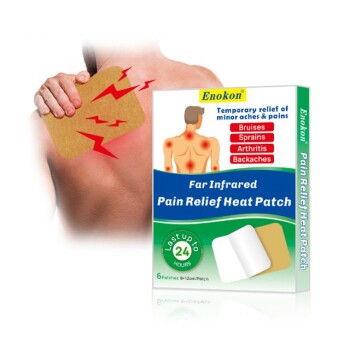
- Pain Relief: Lidocaine, Menthol, Capsicum, Herbal, and Far Infrared patches.
- Specialty Care: Eye Protection, Detox, and Medical Cooling Gel patches.
- Custom Solutions: Tailored formulations and OEM/ODM support for global brands.
Please note: Our manufacturing capabilities focus on advanced polymer and adhesive matrices (excluding microneedle technology).
Ready to enhance your product line with reliable, high-volume delivery and stringent quality control?
Contact Enokon Today for Custom R&D Solutions
References
- Ed Susman. Two-Step Titration Weans Patients from IV to Patch Fentanyl without Breakthrough Pain. DOI: 10.1097/01.cot.0000315748.12688.11
This article is also based on technical information from Enokon Knowledge Base .
Related Products
- Far Infrared Heat Pain Relief Patches Transdermal Patches
- Icy Hot Menthol Medicine Pain Relief Patch
- Silicone Scar Sheets Patch Transdermal Drug Patch
- Menthol Gel Pain Relief Patch
- Mugwort Wormwood Pain Relief Patch for Neck Pain
People Also Ask
- Why is the control of material particle size critical in the development of Far Infrared pain relief patches? Boost Efficacy
- Why is the selection of matrix materials critical when developing customized transdermal patches? Optimize Efficacy
- What are the physical impacts of external heat exposure on the performance and safety of transdermal patches? - Guide
- What are the clinical advantages of local transdermal delivery systems? Unlock Safer, More Effective Pain Relief Solutions
- What role does a skin tolerance scoring system play in the safety evaluation of transdermal patches? Key Safety Metrics