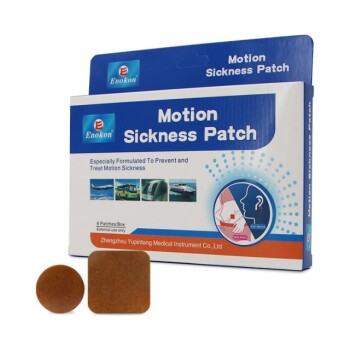
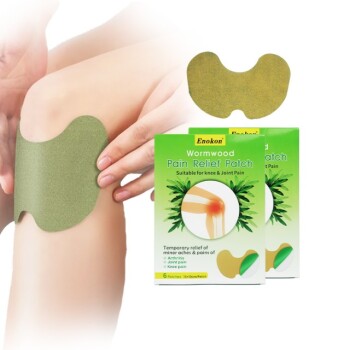
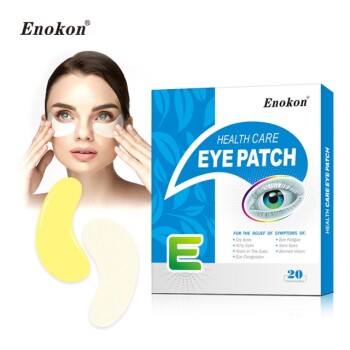
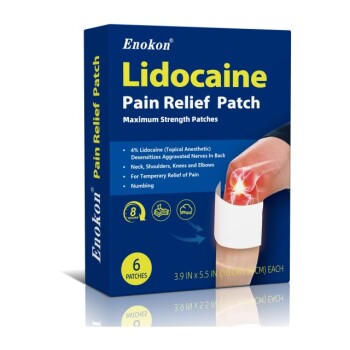
Aluminum foil packaging and desiccators are fundamental to transdermal patch stability, serving as the primary defense against environmental degradation. These tools ensure that sensitive pharmaceutical formulations maintain their chemical potency, physical adhesion, and moisture levels by providing a near-impenetrable barrier to light, oxygen, and humidity during both the manufacturing and testing phases.
The integration of high-barrier aluminum foil and precision desiccator testing is essential for validating the shelf life of transdermal products. This dual-layered approach protects hygroscopic polymers from moisture-induced degradation while providing a standardized environment for rigorous quality control.
The Role of Aluminum Foil in Product Integrity
Superior Barrier Properties Against Degradation
Aluminum foil serves as an airtight shield that blocks light, atmospheric oxygen, and moisture from reaching the drug-in-adhesive matrix. This prevents drug photodegradation and oxidation, which are critical risks for complex formulations during long-term storage.
By isolating the patch from the external environment, the packaging ensures that volatile components within the formulation do not evaporate. This maintains the therapeutic efficacy and consistent dosage delivery required for global regulatory compliance.
Maintaining Mechanical and Unidirectional Integrity
In advanced manufacturing, aluminum foil is often utilized as the backing film for the patch itself. This provides the necessary mechanical support to the patch structure, ensuring it does not warp or tear during application.
Critically, the foil acts as a physical barrier that prevents the active pharmaceutical ingredient (API) from migrating toward the back of the patch. This forces unidirectional release toward the skin, maximizing the delivery efficiency of the custom formulation.
The Strategic Use of Desiccators in R&D and QC
Creating Standardized Controlled Environments
Laboratory desiccators are used during the R&D phase to create a standardized, dehumidified environment using agents like silica gel. This setup allows researchers to conduct long-term stability studies without the interference of fluctuating ambient humidity.
By maintaining a consistent atmosphere, manufacturers can accurately simulate aging. This process is vital for determining the physical stability and appearance of the patch, ensuring it does not become prematurely sticky or lose its structural integrity.
Measuring Equilibrium Moisture and Physical Stability
Desiccators allow for the precise measurement of equilibrium moisture content and moisture uptake rates. Because many transdermal patches use hydrophilic polymers like HPMC, they are naturally prone to swelling in high-humidity conditions.
Understanding these moisture dynamics is essential for ensuring adhesive performance. Testing in a controlled desiccator environment helps B2B partners guarantee that the patch will adhere correctly to the skin even after being stored in diverse climates.
Understanding the Technical Trade-offs
Balancing Material Cost with Barrier Performance
While high-purity aluminum foil provides the best protection, it is a more significant investment than simple plastic films. Brand owners must weigh the higher cost of foil against the risk of product recalls due to drug degradation or adhesive failure.
For products targeting markets with high humidity or extreme temperatures, the superior barrier of aluminum is non-negotiable. It remains the industry standard for maintaining GMP-certified quality across global supply chains.
Limitations of Controlled Environment Testing
Desiccators provide a "best-case" standardized environment, but they may not perfectly replicate the extreme "real-world" fluctuations experienced during international shipping. Manufacturers must complement desiccator studies with accelerated aging tests in varied conditions.
This comprehensive testing approach ensures that the shelf life claims provided to distributors and wholesalers are robust and scientifically defensible. It bridges the gap between laboratory precision and supply chain reality.
How to Apply This to Your Project
Making the Right Choice for Your Goal
- If your primary focus is rapid market entry with a sensitive formulation: Prioritize high-purity aluminum foil packaging and backing to ensure immediate stability and regulatory approval.
- If your primary focus is long-term shelf-life validation for global distribution: Invest in rigorous desiccator-based moisture uptake studies to guarantee product performance across varied climatic zones.
- If your primary focus is optimizing manufacturing costs for stable APIs: Evaluate whether a hybrid packaging approach can maintain integrity while utilizing lower-cost materials for less sensitive components.
By leveraging advanced barrier materials and standardized testing protocols, brand owners can ensure their transdermal products meet the highest standards of safety and efficacy for the global market.
Summary Table:
| Tool/Material | Primary Role | Impact on Stability | Key Benefit for Brands |
|---|---|---|---|
| Aluminum Foil | High-barrier protection | Blocks UV, oxygen, and moisture | Prevents drug degradation & oxidation |
| Desiccators | Controlled humidity | Simulates aging & moisture uptake | Validates shelf life & adhesive quality |
| Backing Film | Structural support | Ensures unidirectional drug release | Consistent dosage & mechanical integrity |
Partner with Enokon for High-Stability Transdermal Solutions
As a leading GMP-certified manufacturer, Enokon provides brand owners, distributors, and wholesalers with the R&D expertise and massive production capacity needed to succeed in the global market. We specialize in creating high-performance transdermal patches that maintain their integrity through advanced barrier technology and rigorous stability testing.
Why Choose Enokon?
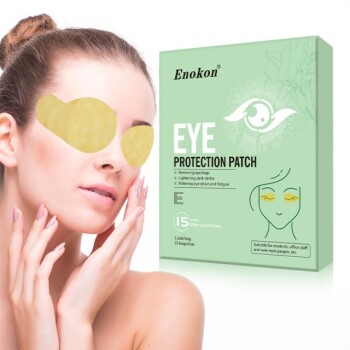
- Custom R&D & Formulations: Turnkey solutions for Lidocaine, Menthol, Capsicum, and Herbal pain relief, plus specialized Eye Protection and Detox patches.
- Scalable Manufacturing: Reliable high-volume delivery and trusted OEM/ODM partnerships for B2B resellers.
- Global Quality Standards: Stringent quality control and comprehensive certifications ensure your product is market-ready and stable in any climate.
(Note: Our expertise covers a wide range of transdermal drug delivery products, excluding microneedle technology.)
Ready to elevate your product line with a trusted manufacturing partner?
References
- S. Srivastava, Jitender K Malik. Fabrication, Optimization, and Evaluation of Transdermal Patch: As an Alternative and Effective Transdermal Delivery System for Grainsetron HCl. DOI: 10.36348/sjmps.2025.v11i12.007
This article is also based on technical information from Enokon Knowledge Base .
Related Products
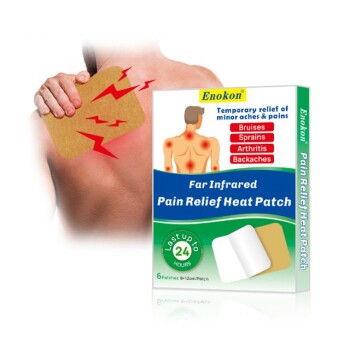
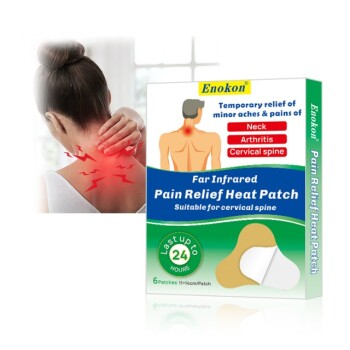
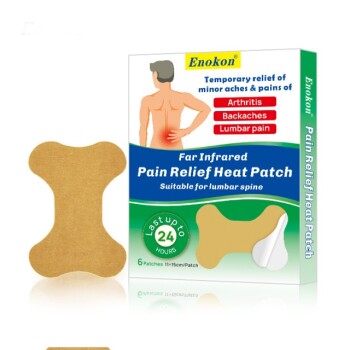
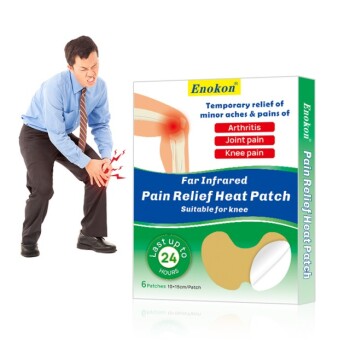
- Far Infrared Heat Pain Relief Patches Transdermal Patches
- Silicone Scar Sheets Patch Transdermal Drug Patch
- Icy Hot Menthol Medicine Pain Relief Patch
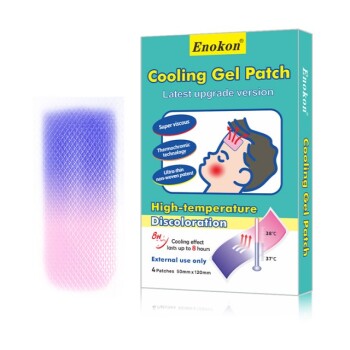
- Menthol Gel Pain Relief Patch
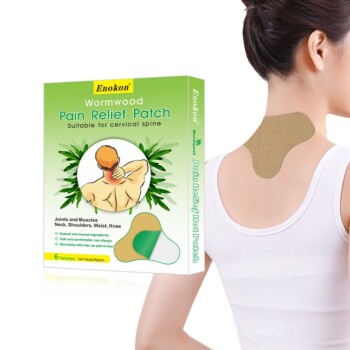
- Mugwort Wormwood Pain Relief Patch for Neck Pain
People Also Ask
- Why is the control of material particle size critical in the development of Far Infrared pain relief patches? Boost Efficacy
- Why is the selection of matrix materials critical when developing customized transdermal patches? Optimize Efficacy
- What are the physical impacts of external heat exposure on the performance and safety of transdermal patches? - Guide
- What are the clinical advantages of local transdermal delivery systems? Unlock Safer, More Effective Pain Relief Solutions
- What role does a skin tolerance scoring system play in the safety evaluation of transdermal patches? Key Safety Metrics