
In case of an overdose with a pain patch, immediate action is crucial to mitigate potential health risks. Overdose symptoms can range from mild (nausea, drowsiness) to severe (seizures, respiratory distress). The primary steps include removing the patch if accessible, contacting poison control (800-222-1222), and seeking emergency medical help for life-threatening symptoms like unconsciousness or difficulty breathing. Quick intervention can prevent complications, and medical professionals may administer treatments such as activated charcoal or supportive care. Always store patches securely to avoid accidental misuse.
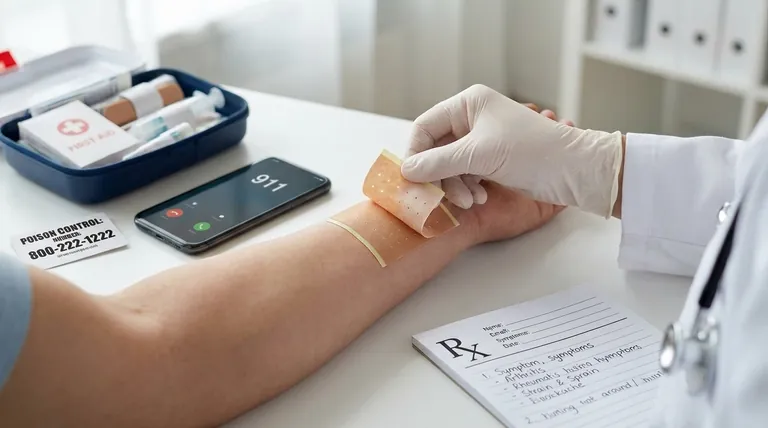
Key Points Explained:
1. Recognize Overdose Symptoms
- Mild to moderate symptoms: Nausea, vomiting, abdominal pain, drowsiness, fatigue, breast tenderness, or vaginal bleeding.
- Severe symptoms: Seizures, difficulty breathing, loss of consciousness, or unresponsiveness. These require immediate emergency intervention.
2. Immediate Actions
- Remove the patch: If the patch is still on the skin or accessible (e.g., chewed/swallowed), carefully detach it to stop further drug absorption.
- Do NOT induce vomiting: Unless directed by a medical professional, as some medications can cause additional harm if regurgitated.
3. Contact Poison Control or Emergency Services
- Non-life-threatening symptoms: Call Poison Control at 800-222-1222 (U.S.) for expert guidance on next steps.
- Life-threatening symptoms: Dial 911 or local emergency services if the person collapses, has seizures, or cannot breathe.
4. Medical Treatment
- Supportive care: Hospitals may administer IV fluids, oxygen, or medications to counteract symptoms.
- Activated charcoal: In some cases, this may be used to absorb excess medication in the digestive tract.
5. Prevention Tips
- Secure storage: Keep pain patches away from children, pets, or individuals prone to accidental misuse.
- Proper disposal: Fold used patches sticky-side in and discard in a secure container to prevent retrieval.
6. Why Speed Matters
- Topical patches deliver medication continuously, so an overdose can escalate rapidly. Early intervention reduces the risk of long-term harm.
Have you considered how household awareness of patch risks could prevent emergencies? Simple steps like labeling or locked storage can save lives.
Summary Table:
| Key Action | Details |
|---|---|
| Recognize Symptoms | Mild: Nausea, drowsiness. Severe: Seizures, breathing difficulty. |
| Remove Patch | Detach immediately to halt drug absorption. |
| Call Poison Control | 800-222-1222 (U.S.) for non-life-threatening cases. |
| Seek Emergency Help | Dial 911 for unconsciousness/seizures. |
| Medical Treatments | IV fluids, activated charcoal, or oxygen support. |
| Prevention | Store patches securely; dispose folded sticky-side in. |
Ensure safe use of transdermal patches with Enokon’s expertise — Contact us today to discuss high-quality, reliably manufactured pain patches for your healthcare brand or distribution network. Benefit from our custom R&D support and bulk production solutions tailored to your needs.
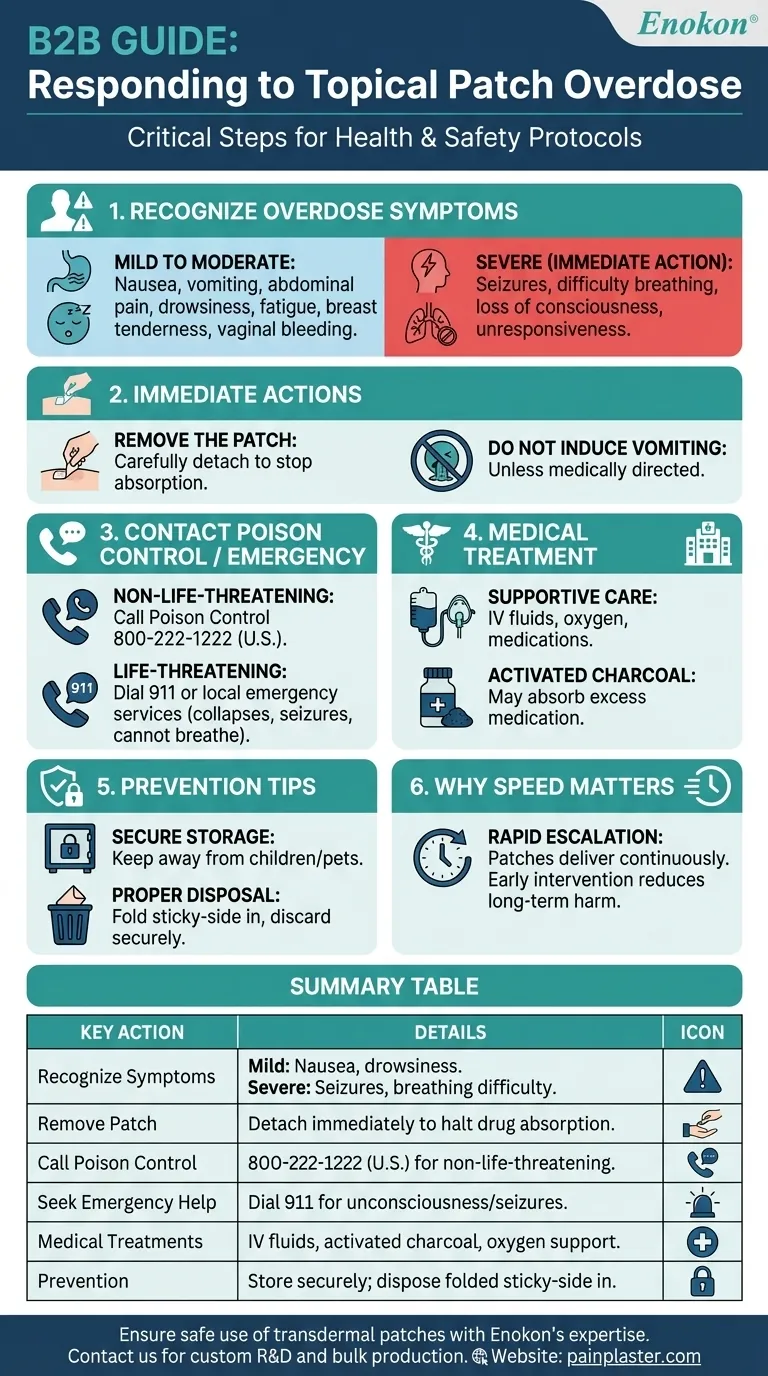
Visual Guide
Related Products
- Icy Hot Menthol Medicine Pain Relief Patch
- Menthol Gel Pain Relief Patch
- Capsaicin Chili Medicated Pain Relief Patches
- Mugwort Wormwood Pain Relief Patch for Neck Pain
- Herbal Eye Protection Patch Eye Patch
People Also Ask
- What are the key components of a pain relief patch? Unlock the Science of Targeted Pain Relief
- What is the duration of pain relief provided by the patches? Find the Right Patch for Your Pain
- When should the pain relief patch not be used? Key Safety Rules to Avoid Risks
- What is the shelf-life of the pain relief patch? Ensure Potency and Safety for Your Patients
- What factors should be considered when choosing between pills and patches for pain relief? A Guide to Personalized Pain Management



















