
The most common side effects from using capsaicin patches are temporary reactions at the application site, such as a burning sensation, redness, and itching. While these localized effects are typically expected and diminish with use, more serious reactions like allergic swelling or a significant increase in blood pressure can occur and require medical attention.
The key to using capsaicin patches safely is understanding that a temporary, localized burning feeling is a normal part of how the treatment works. The critical distinction is knowing when that sensation crosses the line into severe pain or is accompanied by systemic symptoms, which are signals to stop use and consult a physician.
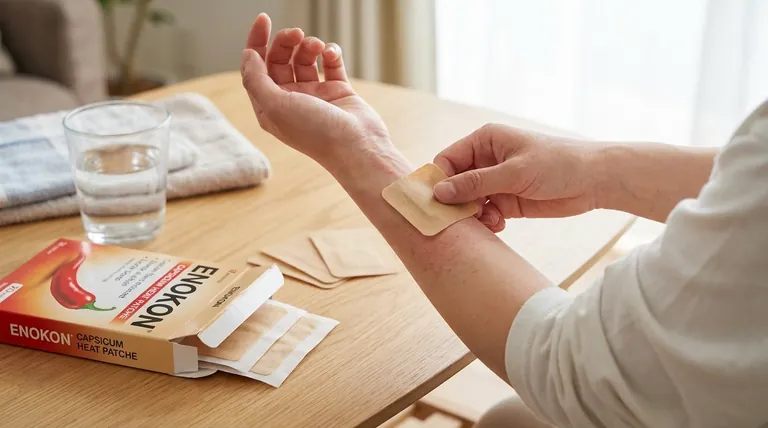
The Expected Sensation: Common Application-Site Reactions
Capsaicin works by affecting nerve cells in the skin, and this mechanism is directly responsible for its most common side effects. These reactions are generally mild to moderate and resolve on their own.
The Burning and Stinging Feeling
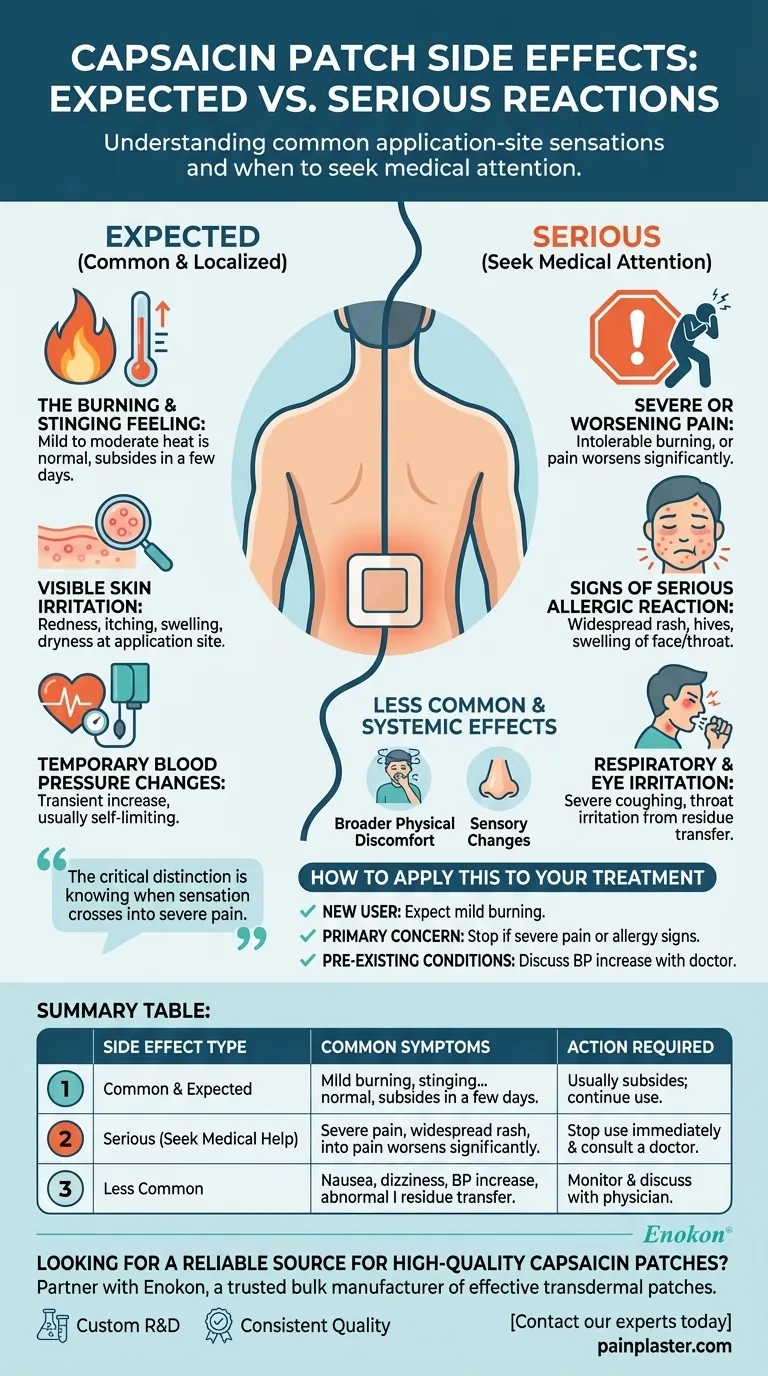
The most frequently reported side effect is a sensation of heat, burning, or stinging where the patch is applied. This feeling is an expected part of the medication's action and typically subsides after the first few days of consistent use.
Visible Skin Irritation
You may notice visible changes to the skin under and around the patch. These can include redness (erythema), itching (pruritus), swelling, dryness, or the formation of small bumps (papules).
Temporary Blood Pressure Changes
Some individuals may experience a transient increase in blood pressure shortly after applying the patch. This effect is usually temporary and self-limiting, but it is an important potential side effect to be aware of.
Understanding the Trade-offs: When to Seek Medical Attention
While mild irritation is common, certain symptoms are not normal and serve as clear indicators to stop using the patch and contact your doctor.
Severe or Worsening Pain
If the burning sensation is severe and intolerable, or if the pain you are treating worsens significantly, you should stop the treatment. Pain that improves but then returns worse than before is also a warning sign.
Signs of a Serious Allergic Reaction
Seek immediate medical help if you experience signs of an allergy. These include a widespread skin rash, hives, or swelling of the face, lips, tongue, or throat, which can indicate a dangerous reaction.
Respiratory and Eye Irritation
Capsaicin is a potent irritant. If residue is transferred to other parts of the body, it can cause severe coughing, throat irritation, or significant eye pain.
Less Common and Systemic Side Effects
Though less frequent, capsaicin can cause side effects that are not confined to the application site.
Broader Physical Discomfort
In some cases, users have reported systemic effects such as nausea, vomiting, dizziness, or muscle aches that are not related to the area being treated.
Sensory Changes
Rarely, individuals may experience unusual side effects like an abnormal skin odor or noticeable changes in their sense of taste.
How to Apply This to Your Treatment
Navigating the side effects of capsaicin is about recognizing the difference between the medication working as intended and a sign of a problem.
- If you are a new user: Expect a mild to moderate burning sensation and some redness for the first few applications; this is normal and should decrease over time.
- If your primary concern is safety: Immediately stop using the patch if the pain becomes severe, lasts longer than a week, or if you develop any signs of an allergic reaction like hives or swelling.
- If you have pre-existing conditions like hypertension: Be mindful of the potential for a temporary increase in blood pressure and discuss its use with your doctor beforehand.
By understanding the difference between expected sensations and critical warning signs, you can use capsaicin therapy both effectively and safely.
Summary Table:
| Side Effect Type | Common Symptoms | Action Required |
|---|---|---|
| Common & Expected | Mild burning, stinging, redness, itching at application site. | Usually subsides; continue use as directed. |
| Serious (Seek Medical Help) | Severe/intolerable pain, widespread rash/hives, facial swelling, worsening cough. | Stop use immediately and consult a doctor. |
| Less Common | Nausea, dizziness, abnormal skin odor, temporary blood pressure increase. | Monitor and discuss with your physician if persistent. |
Looking for a reliable source for high-quality capsaicin patches?
Partner with Enokon, a trusted bulk manufacturer of effective and reliable transdermal patches and pain plasters. We specialize in serving healthcare and pharmaceutical distributors and brands.
Benefit from our expertise:
- Custom R&D and Development: Our technical team can help you develop custom formulations tailored to your specific market needs.
- Consistent Quality & Supply: Ensure your products meet the highest standards with our reliable manufacturing processes.
Let us help you deliver safe and effective pain management solutions to your customers.
Contact our experts today to discuss your project requirements!
Visual Guide
Related Products
- Capsaicin Chili Medicated Pain Relief Patches
- Heat Relief Capsicum Patch for Lower Back Pain Relief
- Menthol Gel Pain Relief Patch
- Icy Hot Menthol Medicine Pain Relief Patch
- Asthma Cough and Pain Relief Patch for Adults and Kids
People Also Ask
- What conditions should be reported to a care team before using capsaicin patches? Ensure Safe Pain Relief
- What conditions can capsaicin creams and patches help relieve? Find Targeted Pain Relief for Nerves & Joints
- What are the uses of nonprescription capsaicin patches? Natural Pain Relief for Muscles & Joints
- What should be avoided while using capsaicin patches? Essential Safety Tips for Effective Pain Relief
- What precautions should be taken when using capsaicin patches? A Guide to Safe and Effective Pain Relief



















