
Before using transdermal diclofenac, it is critical to discuss a wide range of common medications with your healthcare provider. This includes blood thinners, certain antidepressants (SSRIs/SNRIs), other NSAIDs like ibuprofen, and medications for high blood pressure, such as ACE inhibitors and diuretics. Combining these drugs with diclofenac can significantly increase the risk of serious side effects like stomach bleeding and kidney damage.
Even though it is applied to the skin, diclofenac is absorbed into your bloodstream and can cause systemic drug interactions. The central concern is its combined effect with other medications, which can amplify risks related to bleeding, kidney function, and blood pressure control.
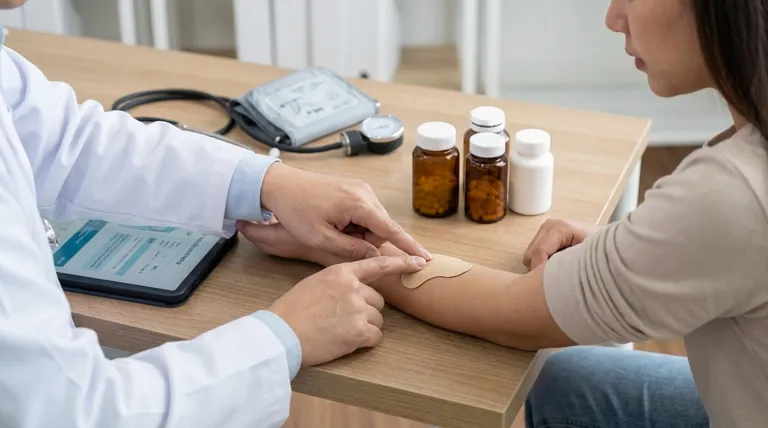
Why Interactions Matter with a Topical Medication
The Misconception of "Local" Treatment
It's a common assumption that a topical medication, like a patch or gel, only works where you apply it. This is not entirely true for transdermal diclofenac.
Diclofenac is a nonsteroidal anti-inflammatory drug (NSAID). While most of the effect is localized, a portion of the medication is absorbed through the skin and enters your systemic circulation (your bloodstream).
This systemic absorption is the reason transdermal diclofenac can interact with other medications you take, potentially leading to unintended and harmful effects.
Key Medication Classes to Discuss
Always provide your healthcare provider with a complete list of all medications, including over-the-counter drugs and supplements. The following categories are of particular concern.
Medications That Increase Bleeding Risk
The most significant risk is gastrointestinal bleeding. Diclofenac, like all NSAIDs, can irritate the stomach lining. When combined with other drugs that thin the blood, this risk multiplies.
Key examples include:
- Blood thinners: warfarin
- Antiplatelet medicines: clopidogrel, aspirin
- Antidepressants: SSRIs (e.g., fluoxetine) and SNRIs (e.g., venlafaxine)
- Corticosteroids: prednisone, dexamethasone
Medications for Blood Pressure and Heart Health
NSAIDs can cause fluid retention and increase blood pressure, which can interfere with the effectiveness of medications designed to manage these conditions.
Be sure to mention if you take:
- ACE inhibitors: lisinopril, enalapril
- ARBs: losartan, valsartan
- Beta-blockers: metoprolol, propranolol
- Diuretics (water pills)
- Digoxin (for heart rhythm issues)
Other NSAIDs and Pain Relievers
Using transdermal diclofenac while also taking oral NSAIDs like ibuprofen or naproxen is essentially "double-dosing." This does not provide better pain relief but dramatically increases the risk of all NSAID-related side effects, particularly stomach ulcers and kidney strain.
This category includes aspirin and other salicylates.
Medications Affecting Kidney Function
Diclofenac is processed by the kidneys. Combining it with other medications that also place a burden on the kidneys can lead to acute kidney injury.
These include:
- Lithium
- Methotrexate
- Cyclosporine
Specific Cancer Medications
Some chemotherapy agents have specific interactions. For example, pemetrexed is a crucial medication to discuss with your oncologist before using any form of diclofenac.
Understanding the Broader Health Picture
Effective and safe treatment goes beyond just listing your current medications. Your overall health profile dictates how your body will handle diclofenac.
Pre-existing Health Conditions are Critical
Your provider must know if you have a history of certain conditions, as NSAIDs can worsen them. These include:
- Liver or kidney disease
- High blood pressure, heart disease, or past stroke
- Stomach ulcers or bleeding
- Asthma, especially if aspirin-sensitive
- Anemia
Lifestyle and Other Factors
Other personal health factors play a vital role in determining if transdermal diclofenac is safe for you.
- Pregnancy: Do not use diclofenac around or after 20 weeks of pregnancy unless explicitly told to do so by your doctor.
- Age: Older adults may be more susceptible to side effects.
- Habits: Inform your doctor about smoking and alcohol use.
How to Apply This to Your Health
To ensure your safety, proactive and comprehensive communication with your healthcare team is essential.
- If your primary focus is managing pain while on blood thinners: Discuss the specific risk of bleeding and ask about alternative pain management strategies that do not involve NSAIDs.
- If your primary focus is treating arthritis while managing high blood pressure: Your blood pressure may need closer monitoring, as diclofenac can reduce the effectiveness of your hypertension medications.
- If your primary focus is recovering from a localized injury: Be vigilant about not taking any other over-the-counter NSAIDs like ibuprofen or naproxen at the same time.
Your safety begins with the understanding that every substance you put in or on your body can interact.
Summary Table:
| Medication Category | Key Examples | Primary Risk of Interaction |
|---|---|---|
| Blood Thinners / Antiplatelets | Warfarin, Clopidogrel, Aspirin | Significantly increased risk of stomach bleeding |
| Antidepressants (SSRIs/SNRIs) | Fluoxetine, Venlafaxine | Elevated risk of bleeding |
| Blood Pressure Medications | Lisinopril, Diuretics, Beta-blockers | Reduced effectiveness, fluid retention, kidney strain |
| Other NSAIDs | Ibuprofen, Naproxen | "Double-dosing" effect; greatly increased risk of ulcers & kidney damage |
| Kidney-Affecting Drugs | Lithium, Methotrexate | Increased risk of acute kidney injury |
| Specific Cancer Therapies | Pemetrexed | Requires specific consultation with an oncologist |
Ensure the safety and efficacy of your transdermal pain relief products. Partner with Enokon, a bulk manufacturer of reliable transdermal patches and pain plasters for healthcare and pharmaceutical distributors and brands. Our technical expertise supports custom R&D and development, helping you create safe, effective solutions tailored to your market's needs. Contact our experts today to discuss your project.
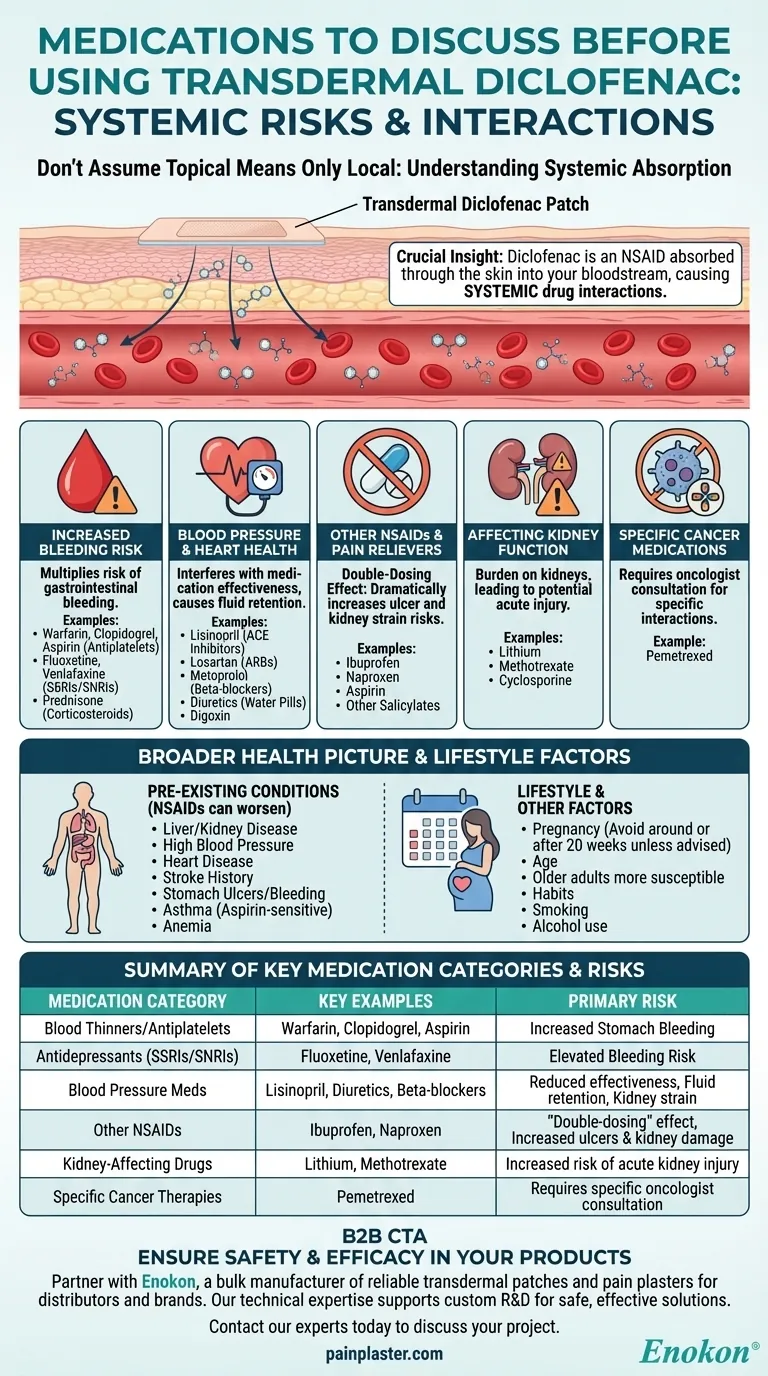
Visual Guide
Related Products
- Far Infrared Heat Pain Relief Patches Transdermal Patches
- Silicone Scar Sheets Patch Transdermal Drug Patch
- Icy Hot Menthol Medicine Pain Relief Patch
- Menthol Gel Pain Relief Patch
- Mugwort Wormwood Pain Relief Patch for Neck Pain
People Also Ask
- Why is the selection of matrix materials critical when developing customized transdermal patches? Optimize Efficacy
- What are the clinical advantages of local transdermal delivery systems? Unlock Safer, More Effective Pain Relief Solutions
- What are the physical impacts of external heat exposure on the performance and safety of transdermal patches? - Guide
- What role does a skin tolerance scoring system play in the safety evaluation of transdermal patches? Key Safety Metrics
- How does high-purity far-infrared ceramic powder contribute to the efficacy of far-infrared physical therapy patches?
















