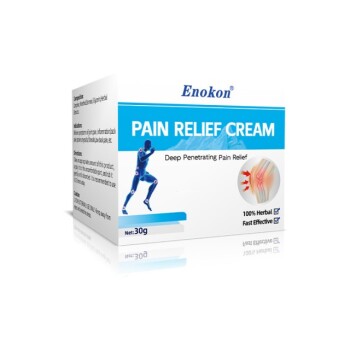
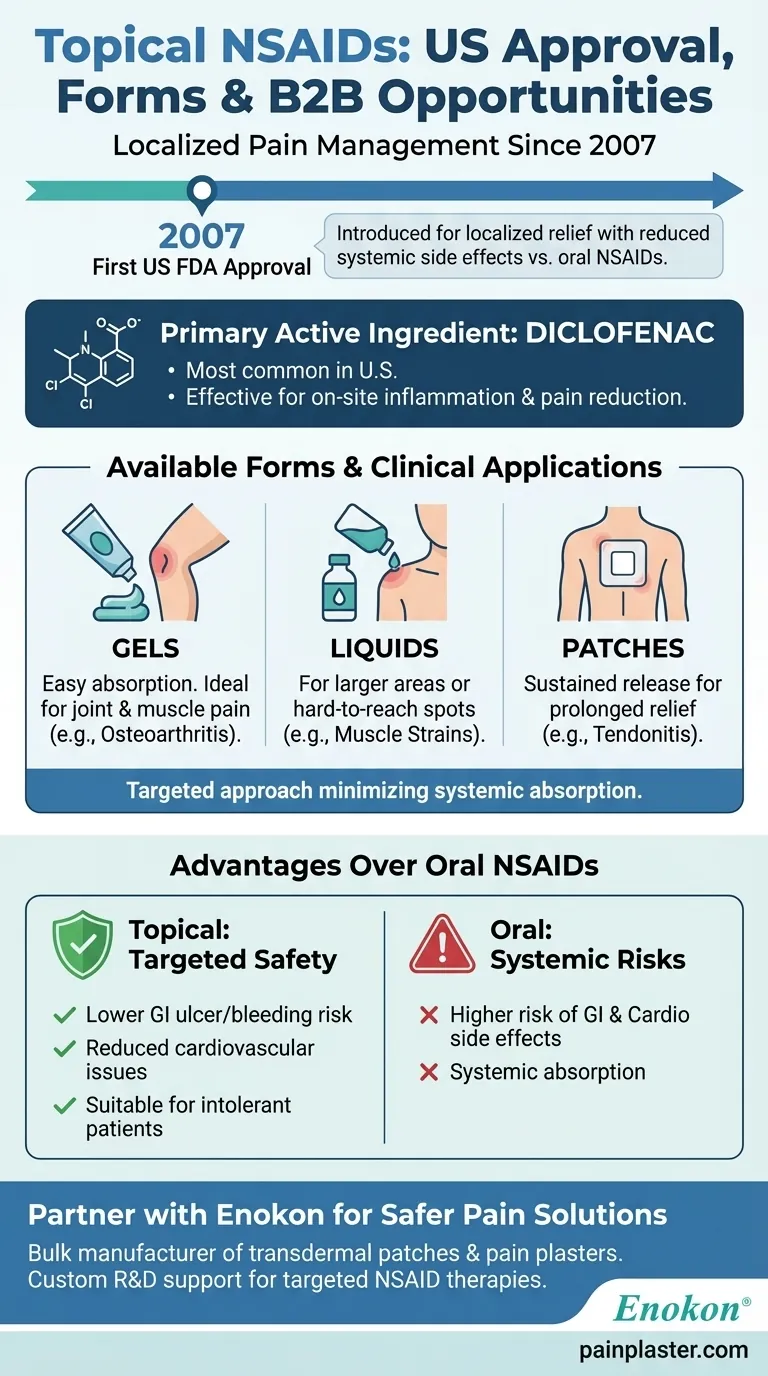
Topical NSAIDs (Non-Steroidal Anti-Inflammatory Drugs) were introduced in the United States in 2007, marking a significant milestone in pain management. These medications provide localized relief with fewer systemic side effects compared to oral NSAIDs. The primary form available is diclofenac, which is offered in various formulations like gels, liquids, and patches to cater to different patient needs and preferences. This development has expanded treatment options for conditions like osteoarthritis and muscle pain, offering patients a safer and more targeted approach to pain relief.
Key Points Explained:
-
First Approval in the U.S. (2007)
- Topical NSAIDs were first approved by the FDA in 2007, providing a new avenue for pain management.
- This approval addressed the need for localized treatment options with reduced gastrointestinal and cardiovascular risks compared to oral NSAIDs.
-
Primary Active Ingredient: Diclofenac
- Diclofenac is the most commonly used topical NSAID in the U.S.
- It is favored for its efficacy in reducing inflammation and pain at the application site.
-
Available Forms
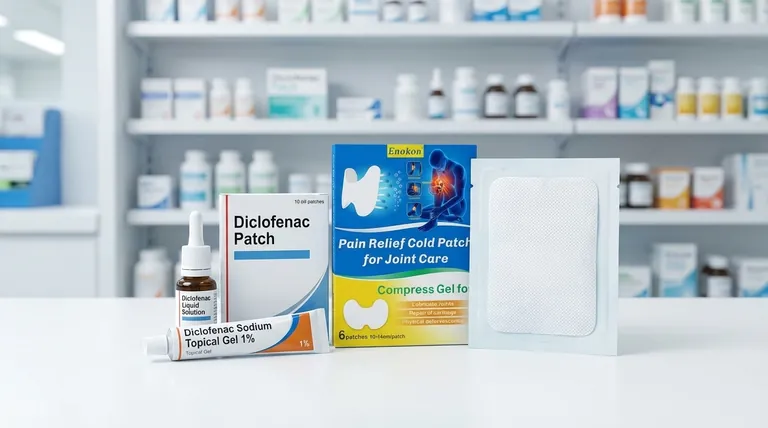
- Gels: Easy to apply and absorb, ideal for joint or muscle pain.
- Liquids: Often used for larger surface areas or hard-to-reach spots.
- Patches: Provide sustained release of medication, convenient for prolonged pain relief.
-
Clinical Applications
- Primarily used for osteoarthritis, tendonitis, and muscle strains.
- Offers a targeted approach, minimizing systemic absorption and side effects.
-
Advantages Over Oral NSAIDs
- Lower risk of gastrointestinal ulcers, bleeding, and cardiovascular issues.
- Suitable for patients who cannot tolerate oral NSAIDs or have comorbidities.
The introduction of topical NSAIDs has revolutionized pain management, providing patients with effective, localized relief while mitigating the risks associated with systemic treatments. Have you considered how these formulations might benefit specific patient populations, such as the elderly or those with chronic conditions?
Summary Table:
| Key Aspect | Details |
|---|---|
| First FDA Approval | 2007, offering localized pain relief with fewer systemic risks. |
| Primary Ingredient | Diclofenac (effective for inflammation and site-specific pain). |
| Available Forms | Gels (easy absorption), liquids (large areas), patches (sustained release). |
| Clinical Uses | Osteoarthritis, tendonitis, muscle strains. |
| Advantages Over Oral NSAIDs | Lower risk of ulcers, bleeding, and cardiovascular issues. |
Upgrade your pain management solutions with Enokon’s expertise!
As a bulk manufacturer of transdermal patches and pain plasters, we help healthcare distributors and pharma brands deliver safer, targeted NSAID therapies. Benefit from our custom R&D support to develop formulations tailored to your patients' needs—contact us today to discuss partnerships!
Visual Guide
Related Products
- Capsaicin Chili Medicated Pain Relief Patches
- Icy Hot Menthol Medicine Pain Relief Patch
- Menthol Gel Pain Relief Patch
- Silicone Scar Sheets Patch Transdermal Drug Patch
- Lidocaine Hydrogel Pain Relief Patch for Pain Relief
People Also Ask
- What conditions should be reported to a care team before using capsaicin patches? Ensure Safe Pain Relief
- What conditions can capsaicin creams and patches help relieve? Find Targeted Pain Relief for Nerves & Joints
- What are the uses of nonprescription capsaicin patches? Natural Pain Relief for Muscles & Joints
- What should be avoided while using capsaicin patches? Essential Safety Tips for Effective Pain Relief
- How are capsaicin patches administered? A Guide to Clinical vs. At-Home Use