
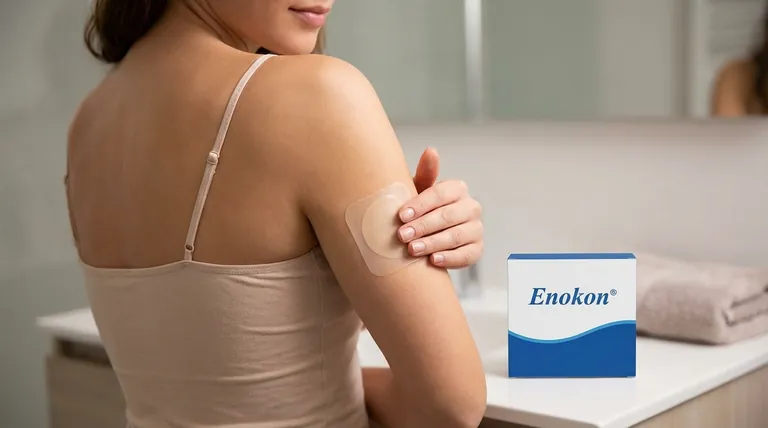
The contraceptive patch is a convenient and effective birth control method that can be placed on various parts of the body, provided the skin meets certain conditions. Ideal placement areas include the arm, belly, upper back, or buttocks, where the skin is clean, dry, and not very hairy. It should avoid areas prone to irritation, tight clothing friction, or the breasts. The patch is widely accessible, often free through sexual health services and GP practices, including for those under 16 in Scotland. Proper placement ensures optimal effectiveness and comfort.
Key Points Explained:
-
Recommended Placement Areas
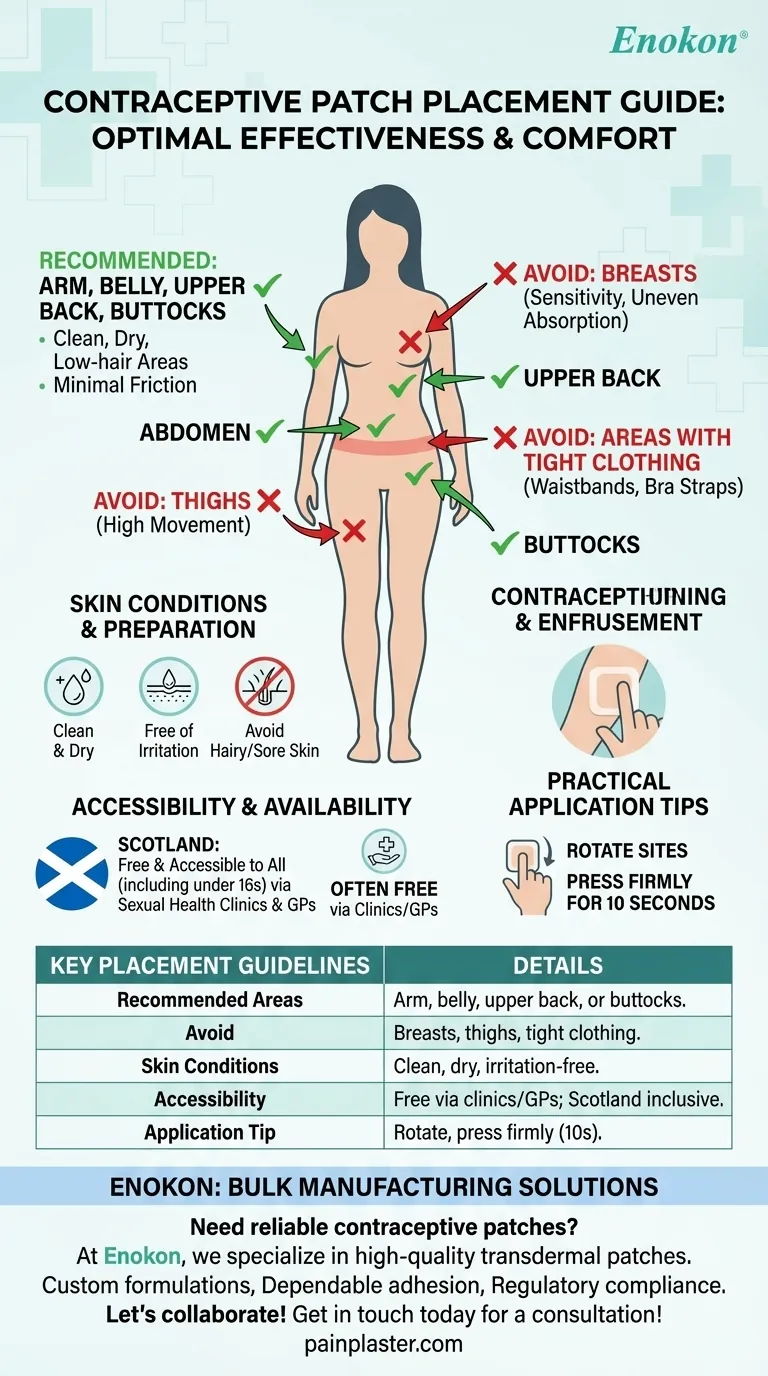
- Arm, Belly, Upper Back, or Buttocks: These areas are preferred because they typically have less hair and minimal friction from clothing, which helps the patch stay securely in place.
- Avoid the Thigh: Unlike other areas, the thigh is not recommended due to higher movement and potential rubbing from clothing.
-
Skin Conditions for Application
- The skin must be clean, dry, and free of irritation to ensure proper adhesion and effectiveness.
- Avoid hairy, sore, or irritated skin, as this can reduce adhesion or cause discomfort.
-
Areas to Avoid
- Breasts: Hormonal patches like the estradiol td patch should not be placed on the breasts due to potential sensitivity and uneven absorption.
- Areas with Tight Clothing: Friction from tight clothing (e.g., waistbands or bra straps) can loosen the patch.
-
Accessibility and Availability
- The patch is often free through sexual health clinics and GP practices.
- In Scotland, it is accessible to anyone, including those under 16, without cost barriers.
-
Practical Considerations
- Rotate application sites to prevent skin irritation from repeated use in the same spot.
- Ensure the patch is pressed firmly for about 10 seconds to secure adhesion.
By following these guidelines, users can maximize the patch’s effectiveness while minimizing discomfort or adhesion issues. Have you considered how proper placement might integrate into your daily routine for seamless use?
Summary Table:
| Key Placement Guidelines | Details |
|---|---|
| Recommended Areas | Arm, belly, upper back, or buttocks (clean, dry, low-hair areas). |
| Avoid | Breasts, thighs, or areas with tight clothing friction. |
| Skin Conditions | Clean, dry, and irritation-free. Avoid hairy or sore skin. |
| Accessibility | Free via sexual health clinics/GPs; no age restrictions in Scotland. |
| Application Tip | Rotate sites, press firmly for 10 seconds to ensure adhesion. |
Need reliable contraceptive patches for your brand or clinic?
At Enokon, we specialize in bulk manufacturing of high-quality transdermal patches, including contraceptive solutions. Our expertise ensures:
- Custom formulations tailored to your needs.
- Dependable adhesion for optimal user comfort.
- Regulatory compliance for seamless distribution.
Let’s collaborate to enhance your product line—get in touch today for a consultation!
Visual Guide
Related Products
- Heating Pain Relief Patches for Menstrual Cramps
- Prostate Pain Kidney Health Care Patch for Men
- Silicone Scar Sheets Patch Transdermal Drug Patch
- Lidocaine Hydrogel Pain Relief Patch for Pain Relief
- Menthol Gel Pain Relief Patch
People Also Ask
- What are the benefits of Period Pain Heat Patches? Drug-Free, On-the-Go Relief
- What are the key benefits of heating patches for elderly individuals? Relieve Pain & Improve Mobility
- What are the different types of heat patches? Find the Right Pain Relief for Your Needs
- Can heat patches be used for fresh injuries? Avoid This Common Mistake for Faster Recovery
- What are the key differences between conventional heat patches and deep heat devices? Choosing the Right Pain Relief Solution













