
For effective and safe use, the birth control patch is typically placed on the skin of the buttocks, stomach (abdomen), upper outer arm, or the upper back. The key is to choose a location that is clean, dry, and not subject to constant rubbing from clothing.
The ideal placement for a birth control patch is a location that ensures consistent, uninterrupted skin contact for an entire week. The specific spot is less important than the quality of the skin and the lack of friction from clothing.
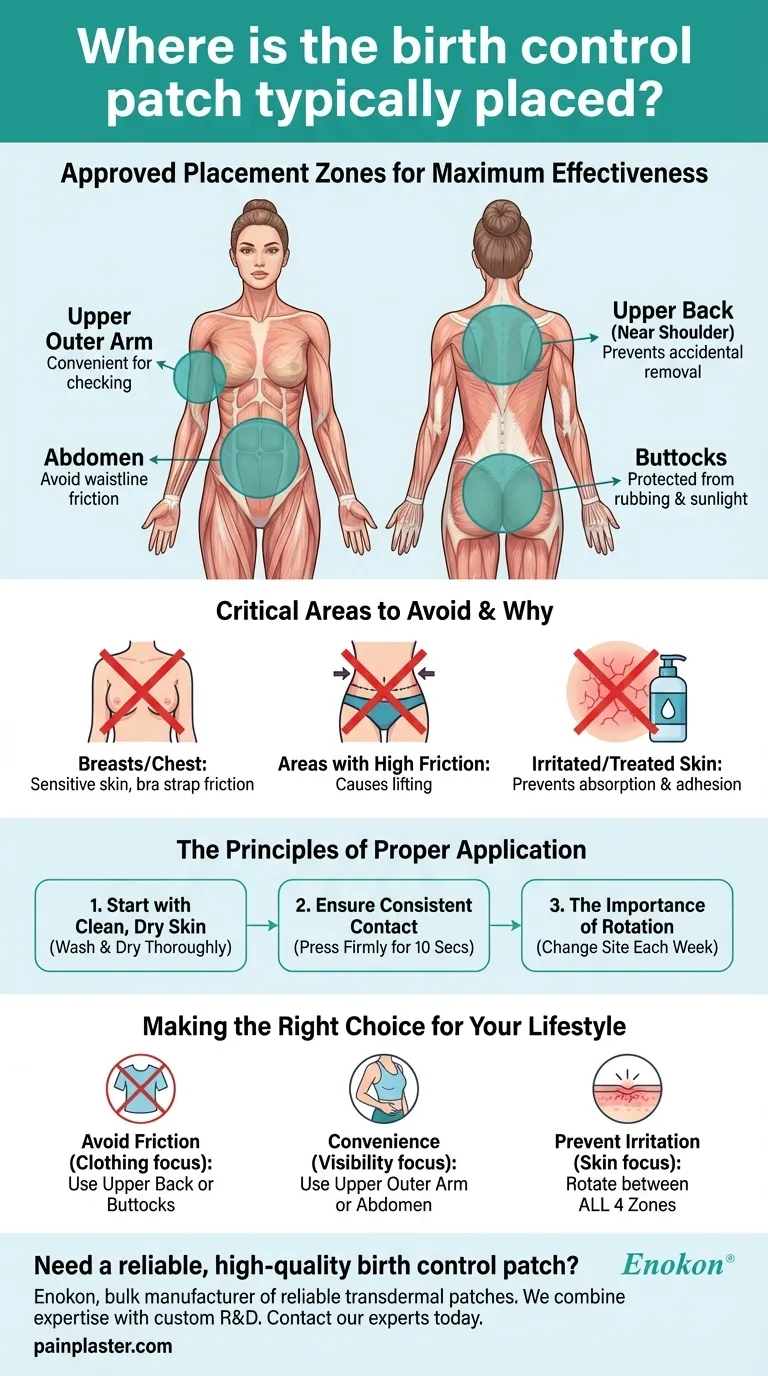
Approved Placement Zones for Maximum Effectiveness
The patch is designed to deliver hormones steadily through the skin into the bloodstream. The following areas have been shown to be effective locations for absorption.
The Abdomen
You can apply the patch to your stomach area, specifically below the belly button. Avoid placing it directly on your waistline where it could be rubbed by the waistband of pants or skirts.
The Buttocks
The upper part of the buttocks is a common and effective location. This area is generally protected from friction and sunlight, making it a reliable choice.
The Upper Outer Arm
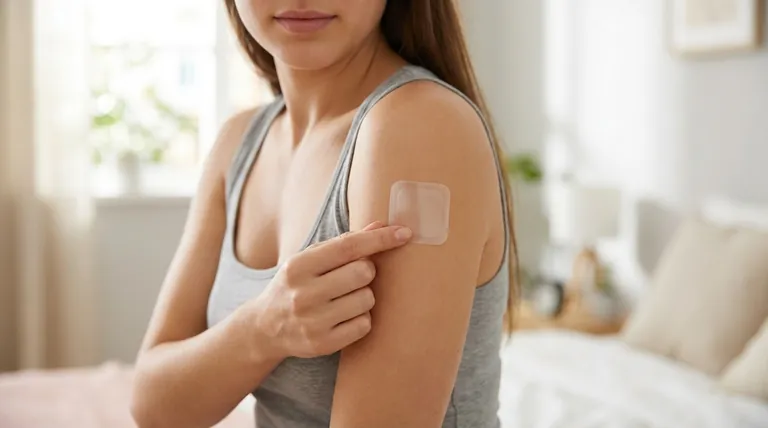
The outer side of your upper arm, similar to where you might receive a vaccine, is another approved site. This spot is convenient for many users to apply and check.
The Upper Back or Shoulder
The patch can also be placed on the upper back, near the shoulder blade. This location can be ideal for preventing accidental removal.
Critical Areas to Avoid and Why
Proper placement is just as much about knowing where not to put the patch. Avoiding certain areas is crucial for both effectiveness and skin health.
The Breasts or Chest Area
You should never apply the patch to your breasts. The skin here is sensitive, and direct hormone application is not advised. Additionally, avoid any area on the upper chest where a bra strap might rub against the patch and loosen it.
Areas with High Friction
Avoid any location where tight clothing will constantly rub against the patch. This includes the waistline, underneath tight elastic bands, or on skin that folds frequently. Constant friction can cause the patch to lift, compromising its effectiveness.
Irritated or Damaged Skin
Do not apply the patch to skin that is red, cut, scraped, or otherwise irritated. The patch needs to be placed on healthy, intact skin to ensure proper hormone absorption and prevent further irritation.
Skin Treated with Products
Apply the patch to clean, dry skin before using any lotions, oils, powders, or creams. These products can create a barrier that prevents the patch from sticking properly and delivering its full dose of medication.
The Principles of Proper Application
To ensure the patch works correctly, a few core principles must be followed every time you apply a new one.
Start with Clean, Dry Skin
Wash and thoroughly dry the area before application. This removes any natural oils or residues that could interfere with the patch's adhesive.
Ensure Consistent Contact
Once you apply the patch, press down firmly with the palm of your hand for at least 10 seconds. This warms the adhesive and ensures the edges are sealed securely to your skin for the entire week.
The Importance of Rotation
To prevent skin irritation, you should rotate your placement site each week. If you used your right arm one week, consider using your left arm, abdomen, or another approved spot the next week.
Making the Right Choice for Your Lifestyle
Choosing the best spot often depends on your daily activities and clothing choices.
- If your primary focus is avoiding friction from clothing: Place the patch on your upper back or buttocks, as these areas are less likely to be disturbed by waistbands or straps.
- If your primary focus is convenience and visibility: The upper outer arm or the abdomen are easy to see and check, ensuring you can quickly confirm the patch is still in place.
- If your primary focus is preventing skin irritation: Be diligent about rotating between all four approved zones (buttocks, abdomen, arm, back) each time you apply a new patch.
Correct and consistent placement is the key to ensuring your birth control patch is as effective as possible.
Summary Table:
| Approved Placement Zone | Key Consideration |
|---|---|
| Buttocks | Protected from friction and sunlight. |
| Abdomen | Avoid the waistline to prevent rubbing. |
| Upper Outer Arm | Convenient for application and checking. |
| Upper Back | Ideal for preventing accidental removal. |
| Areas to AVOID | Reason |
| Breasts/Chest | Skin sensitivity and bra strap friction. |
| Irritated/Damaged Skin | Ensures proper hormone absorption. |
| Areas with Lotion/Oil | Prevents interference with the adhesive. |
Need a reliable, high-quality birth control patch?
As Enokon, a bulk manufacturer of reliable transdermal patches for leading healthcare and pharmaceutical brands, we combine technical expertise with custom R&D to develop effective and comfortable solutions. Whether you are a distributor or a brand looking to bring a trusted product to market, we can help.
Contact our experts today to discuss your custom transdermal patch development needs.
Visual Guide
Related Products
- Prostate Pain Kidney Health Care Patch for Men
- Heating Pain Relief Patches for Menstrual Cramps
- Silicone Scar Sheets Patch Transdermal Drug Patch
- Menthol Gel Pain Relief Patch
- Icy Hot Menthol Medicine Pain Relief Patch
People Also Ask
- What are the key components of Chinese herbal pain patches? Discover the Science Behind Natural Pain Relief
- What additional practices can enhance the effectiveness of Chinese pain patches? Boost Relief with Holistic Strategies
- What are Chinese pain patches used for? Natural Relief for Joint & Muscle Pain
- What are the main benefits of using Chinese pain patches? Holistic Relief for Musculoskeletal Pain
- What role do Chinese pain patches play in arthritis relief? Discover Natural Pain Management Solutions








