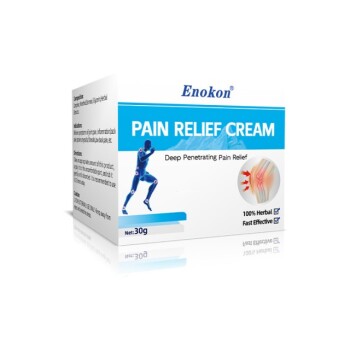
External analgesic patches are essential components of multi-modal postherpetic neuralgia (PHN) therapy because they provide targeted, non-systemic relief through unique sensory pathways. These products, including Menthol and Capsicum formulations, address the complex nerve damage and fibrosis associated with PHN that single oral medications often fail to resolve. By utilizing mechanisms like the gate control theory and TRPV1 receptor desensitization, these patches offer a safe, adjunctive option for patients who cannot tolerate the systemic side effects of opioids or anti-epileptics.
The integration of transdermal patches into PHN protocols creates a synergistic effect, targeting peripheral pain at the source while reducing the overall systemic drug burden. For enterprise partners, this category represents a high-value opportunity to provide clinically necessary, stable delivery systems that improve patient adherence and medical outcomes.
Addressing the Pathological Gaps in PHN Treatment
Overcoming Complex Nerve Damage
Postherpetic neuralgia involves deep-seated pathological mechanisms such as dorsal root ganglion (DRG) necrosis and fibrosis. Because of this complexity, a single systemic drug rarely achieves complete pain relief for the patient.
External patches serve as a critical second or third-line intervention. They provide a supplementary therapeutic path for those who show an insufficient response to first-line oral medications.
The Gate Control and TRPV1 Advantage
Menthol and Capsicum patches work by creating cooling or heating sensations that interfere with pain signal transmission. This is based on the gate control theory, where non-painful sensory input "closes the gate" to intercepted pain signals.
Capsicum specifically acts as a TRPV1 receptor agonist. It achieves long-term desensitization by depleting substance P in peripheral nerve endings, effectively "turning off" the pain signaling at the localized site.
Reducing Systemic Toxicity
Multi-modal plans aim to lower the dosage of oral medications like gabapentin or tricyclic antidepressants. By using localized patches, clinicians can avoid the anticholinergic and cardiac side effects often associated with high-dose systemic administration.
R&D Excellence: The Engineering Behind the Patch
Precision Drug-Release Systems
Modern transdermal patches are engineered for continuous and stable drug release. This is achieved through sophisticated technical designs involving pressure-sensitive adhesive layers that maintain contact and integrity over long periods.
Advanced formulations also incorporate skin permeation enhancers. These chemical agents ensure the active ingredients bypass the skin's natural barrier to reach the localized pain targets effectively.
Innovations in High-Concentration Formulations
High-concentration Capsaicin patches represent a breakthrough in patient compliance. A single professional-grade application can induce a reversible defunctionalization of sensory nerve endings.
This engineering allows for pain relief that can last between two to three months. Such long-term efficacy reduces the burden of frequent dosing and significantly improves the quality of life for chronic sufferers.
Strategic Value and Market Reliability
Economic Efficiency and Resource Allocation
Transdermal patches offer significant economic value by optimizing medical resource allocation. Their high local tolerance reduces the frequency of patient visits and the costs associated with managing complications from oral drug side effects.
For brand owners, this translates to a product with high clinical utility and patient loyalty. The lower incidence of adverse reactions makes these patches a preferred long-term maintenance therapy.
Manufacturing Scale and Quality Assurance
Successfully bringing these complex formulations to market requires GMP-certified facilities capable of high-volume delivery. Consistency in the adhesive quality and drug concentration is paramount for maintaining brand reputation.
Enterprise-level partners benefit from turnkey contract R&D that can customize formulations for specific regulatory environments. This ensures that every patch meets stringent quality control standards required for global distribution.
Understanding the Trade-offs
Balancing Potency with Local Irritation
While Capsicum is highly effective, its initial application acts as a potent agonist that can cause temporary localized irritation or burning. R&D efforts must balance the concentration of active ingredients with soothing excipients to ensure patient comfort.
Regulatory Consensus and Application
Some products, like the Lidocaine patch, have clear regulatory approval for PHN but may lack universal consensus for other musculoskeletal conditions. It is critical for distributors to align their marketing claims with the specific clinical consensus of the region.
Applying This Knowledge to Your Product Strategy
Recommendations for Brand Owners and Distributors
- If your primary focus is Market Entry: Leverage turnkey R&D to develop a Lidocaine or Menthol patch that targets the high-demand PHN segment with a non-invasive profile.
- If your primary focus is Clinical Superiority: Invest in high-concentration Capsaicin formulations that offer long-term (90-day) relief to differentiate your brand from standard daily-use products.
- If your primary focus is Supply Chain Stability: Partner with a manufacturer offering massive production capacity and comprehensive global certifications to ensure reliable high-volume delivery.
The strategic integration of external analgesics into multi-modal PHN care is a definitive solution for modern pain management, offering a high-performance, low-risk alternative to traditional systemic therapies.
Summary Table:
| Feature | Menthol Patches | Capsicum Patches | Enokon R&D Edge |
|---|---|---|---|
| Mechanism | Gate Control (Cooling) | TRPV1 Desensitization | Precision Drug-Release Systems |
| Primary Benefit | Immediate sensory relief | Long-term pain reduction | Enhanced skin permeation |
| Systemic Risk | Extremely Low | Minimal | Optimized localized delivery |
| Ideal For | Acute sensitivity | Chronic nerve pain | High-volume B2B distribution |
Elevate Your Product Line with Enokon’s Manufacturing Excellence
Are you looking to capture the high-growth analgesic market? Enokon is your trusted brand and manufacturer, specializing in wholesale transdermal patches and turnkey contract R&D solutions. We empower brand owners and distributors with massive production capacity and GMP-certified facilities to ensure reliable, high-volume delivery.
Our Comprehensive Product Range Includes:
- Pain Relief: Lidocaine, Menthol, Capsicum, Herbal, and Far Infrared patches.
- Specialty Care: Eye Protection, Detox, and Medical Cooling Gel patches.
- Note: We focus on advanced adhesive technology and exclude microneedle products.
Why Partner with Enokon?
- Custom Formulations: Tailored R&D to meet specific clinical and regulatory needs.
- Global Compliance: Stringent quality control with comprehensive global certifications.
- Scalability: From niche R&D projects to massive wholesale fulfillment.
Contact Enokon Today to discuss your custom formulation or wholesale needs and secure a reliable partner for your supply chain.
References
- Amitabh Gautam, Annya Gautam. Post-herpetic neuralgia: A rare clinical image. DOI: 10.52768/2766-7820/3330
This article is also based on technical information from Enokon Knowledge Base .
Related Products
- Heat Relief Capsicum Patch for Lower Back Pain Relief
- Icy Hot Menthol Medicine Pain Relief Patch
- Menthol Gel Pain Relief Patch
- Capsaicin Chili Medicated Pain Relief Patches
- Asthma Cough and Pain Relief Patch for Adults and Kids
People Also Ask
- What were the inclusion criteria for the study on capsicum plaster for back pain? Key Requirements Explained
- What is Capsicum Plaster used for? Targeted Pain Relief for Musculoskeletal Discomfort
- What are some alternatives to lidocaine patches for lower back pain? Explore 5 Effective Options
- How does the active ingredient Capsicum in the Heat Patch work? A Dual-Action Path to Pain Relief
- What conditions can capsicum plasters be used for? Natural Pain Relief for Muscles & Joints