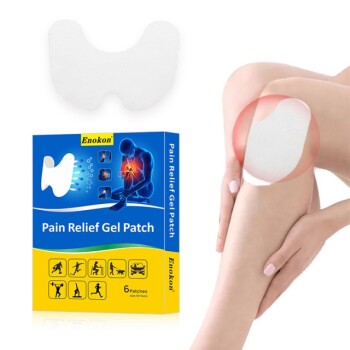
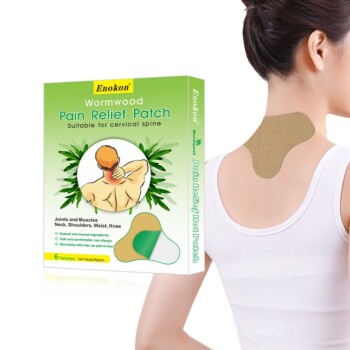
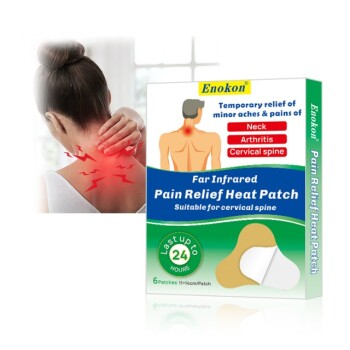
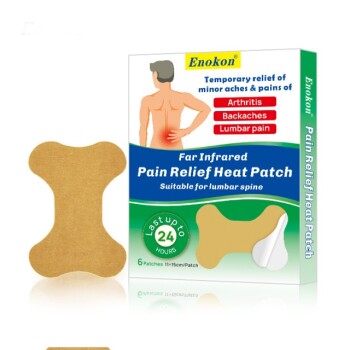
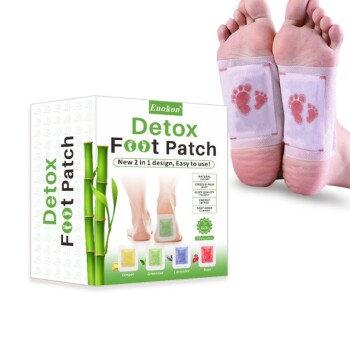
Coating pressure-sensitive adhesives (PSA) onto non-woven fabrics is a critical manufacturing process used to create a stable, breathable, and flexible drug delivery system. This specific combination allows transdermal patches to maintain continuous skin contact while providing the structural integrity necessary to house active pharmaceutical ingredients (APIs). By integrating high-performance PSAs with non-woven backings, manufacturers ensure the patch remains secure during patient movement without compromising skin health or drug diffusion rates.
This engineering synergy between flexible non-woven carriers and specialized adhesive matrices is the foundation of modern transdermal delivery, balancing mechanical durability with precise, controlled-release biophysics.
The Structural Role of Non-Woven Fabric in Patch Design
Providing Mechanical Stability and Support
Non-woven fabric serves as the primary supporting backing material for the transdermal system. It provides the necessary "scaffold" for the adhesive gel, preventing the matrix from leaking or losing its shape under mechanical stress.
Enhancing Patient Comfort and Compliance
The inherent flexibility and breathability of non-woven materials allow the patch to conform to human body contours. This is essential for long-wear applications, as it ensures the patch moves with the skin, reducing the risk of premature detachment or patient discomfort.
Optimizing Surface Area for Adhesive Coating
The texture of non-woven fibers provides an ideal surface for the uniform coating of adhesives like PDGW or acrylates. This uniformity is vital for maintaining a consistent dosage across the entire surface area of the patch.
The Multi-Functional Dynamics of Pressure-Sensitive Adhesives
Achieving Instant and Sustained Bioadhesion
PSAs are engineered to establish immediate bioadhesion upon the application of light finger pressure. This ensures the patch forms a tight seal with the skin surface, which is the primary requirement for creating an effective drug delivery channel.
Acting as the Primary Drug Carrier
In many sophisticated formulations, the PSA does more than stick; it serves as the carrier matrix for the medication. The chemical composition of the adhesive—whether acrylic, silicone, or polyisobutylene (PIB)—directly dictates how the drug is stored and released.
Controlling Diffusion and Flux Rates
The adhesive layer acts as a gatekeeper for systemic circulation. A well-formulated PSA ensures that the active molecules pass through the layer and into the skin at a constant, predictable rate throughout the entire treatment cycle.
Enterprise-Grade Manufacturing and Quality Control
Ensuring Uniformity at Massive Scale
For B2B partners, the ability to coat PSAs onto non-woven fabrics at a high-volume production capacity is a key competitive advantage. Advanced coating lines ensure that every square centimeter of the fabric receives the exact same thickness of adhesive to guarantee dosage accuracy.
Compliance with Global Certification Standards
Manufacturing these components requires GMP-certified facilities to ensure the adhesives are non-irritating and non-sensitizing. Using medical-grade, biocompatible PSAs is non-negotiable for brand owners looking to meet international regulatory requirements and maintain consumer trust.
Turnkey R&D and Custom Formulations
The interaction between the PSA and the non-woven backing can be customized through contract R&D. This allows for the development of patches with specific adhesion strengths or drug release profiles tailored to unique therapeutic needs.
Understanding the Trade-offs and Technical Challenges
Managing the "Burst Effect" Phenomenon
During storage, active ingredients can saturate the adhesive layer, leading to a "burst effect" upon initial application. While this provides a rapid initial dose, manufacturers must use sophisticated mathematical models to ensure this does not lead to drug instability or unintended side effects.
Balancing Adhesion and Skin Sensitivity
There is a constant trade-off between high-performance adhesion and skin trauma. An adhesive that is too aggressive may cause irritation upon removal, while one that is too gentle may fail to stay in place for the full duration of the dosing period.
Physicochemical Stability Over Time
The chemical compatibility between the drug, the PSA, and the non-woven fibers must be rigorously tested. Over time, certain drugs can degrade the adhesive's properties, leading to residue upon removal or a loss of structural integrity.
Making the Right Choice for Your Goal
As a professional in the pharmaceutical or distribution space, selecting the right material combination depends entirely on your specific market requirements and the nature of the API.
- If your primary focus is patient comfort for long-duration wear: Prioritize high-breathability non-woven backings paired with silicone-based PSAs to minimize skin irritation and moisture buildup.
- If your primary focus is rapid market entry with a stable product: Choose standardized acrylate-based PSAs on high-strength non-woven fabrics, as these offer the most well-documented stability and manufacturing efficiency.
- If your primary focus is a complex or high-potency drug: Invest in custom R&D to develop a specialized matrix where the PSA is specifically optimized for the diffusion rate of your particular molecule.
The integration of pressure-sensitive adhesives and non-woven fabrics is a sophisticated engineering solution that ensures transdermal products are safe, effective, and commercially viable at scale.
Summary Table:
| Feature | Role in Transdermal Patches | Key Benefit for B2B Partners |
|---|---|---|
| Non-Woven Fabric | Supporting scaffold & backing | Enhances patient compliance via breathability & body contouring |
| PSA Adhesive | Immediate bioadhesion & API carrier | Ensures consistent drug flux rates and dosage accuracy |
| Combined System | Integrated delivery matrix | Scalable manufacturing for high-volume, uniform production |
| GMP Quality | Regulatory & safety compliance | Facilitates global distribution and builds consumer trust |
Partner with Enokon for Enterprise-Grade Transdermal Solutions
Are you looking to scale your brand with a trusted OEM/ODM manufacturer? Enokon provides turnkey contract R&D and massive production capacity to help distributors and brand owners dominate the market.
As a global leader in transdermal drug delivery (excluding microneedle technology), we offer:
- Custom Formulations: Specialized R&D for tailored adhesion and release profiles.
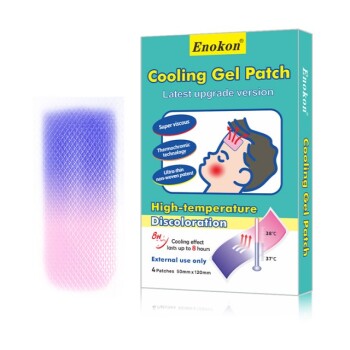
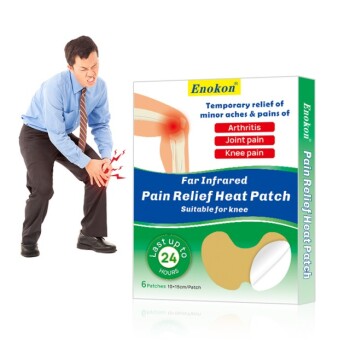
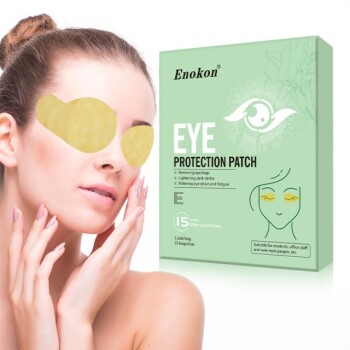
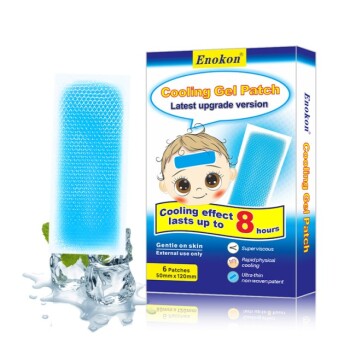
- Comprehensive Range: High-quality patches including Lidocaine, Menthol, Capsicum, Herbal, and Far Infrared for pain relief, plus Eye Protection, Detox, and Medical Cooling Gel patches.
- Reliability at Scale: GMP-certified facilities ensuring stringent quality control and high-volume delivery.
Take advantage of our manufacturing prowess to boost your profit margins and supply reliability.
Contact Enokon Today for Custom R&D and Wholesale Solutions
References
- Jianhua Zhang, Anjie Dong. Pressure-Sensitive Adhesive Properties of Poly(N-Vinyl Pyrrolidone)/D,L-Lactic Acid Oligomer/Glycerol/Water Blends for TDDS. DOI: 10.1163/156856209x410111
This article is also based on technical information from Enokon Knowledge Base .
Related Products
- Far Infrared Heat Pain Relief Patches Transdermal Patches
- Silicone Scar Sheets Patch Transdermal Drug Patch
- Icy Hot Menthol Medicine Pain Relief Patch
- Menthol Gel Pain Relief Patch
- Mugwort Wormwood Pain Relief Patch for Neck Pain
People Also Ask
- Why is the control of material particle size critical in the development of Far Infrared pain relief patches? Boost Efficacy
- Why is the selection of matrix materials critical when developing customized transdermal patches? Optimize Efficacy
- What are the physical impacts of external heat exposure on the performance and safety of transdermal patches? - Guide
- What are the clinical advantages of local transdermal delivery systems? Unlock Safer, More Effective Pain Relief Solutions
- What role does a skin tolerance scoring system play in the safety evaluation of transdermal patches? Key Safety Metrics