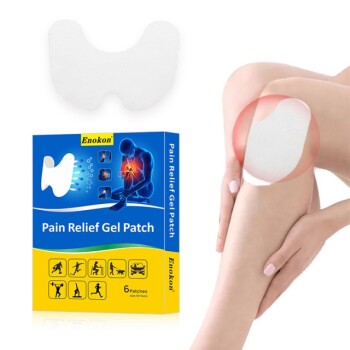
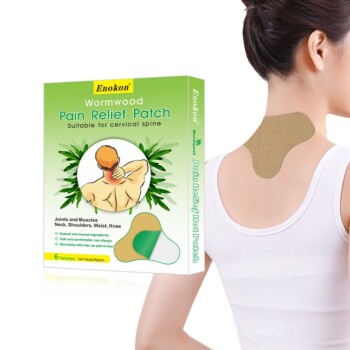
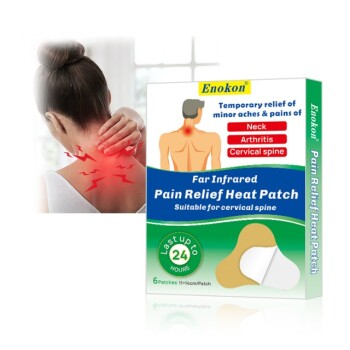
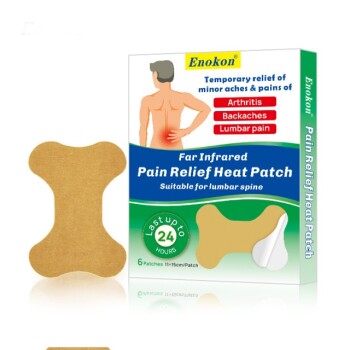
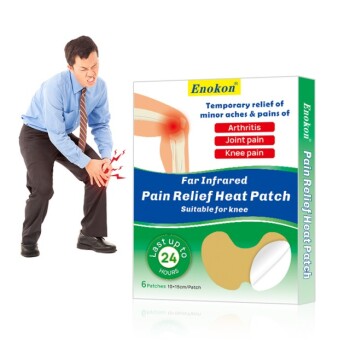
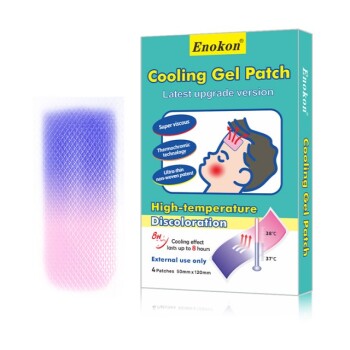
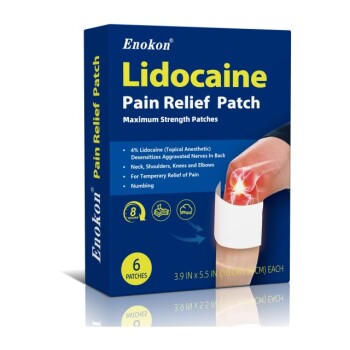
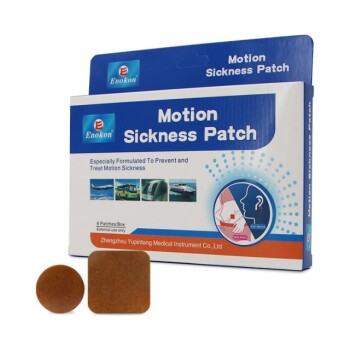
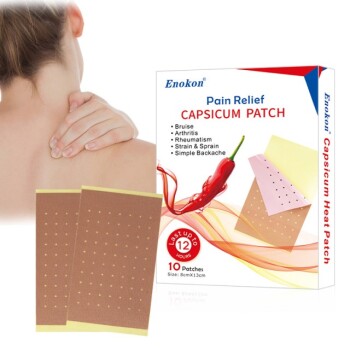
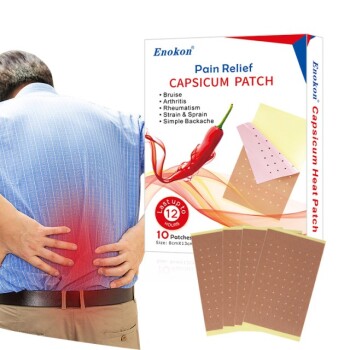
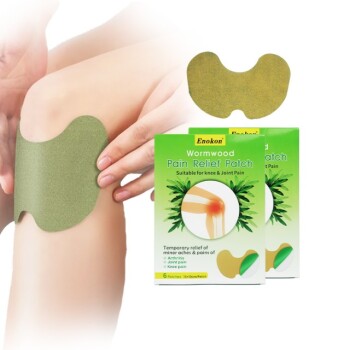
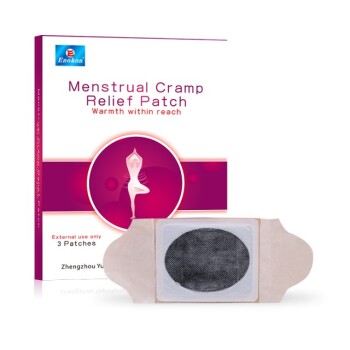
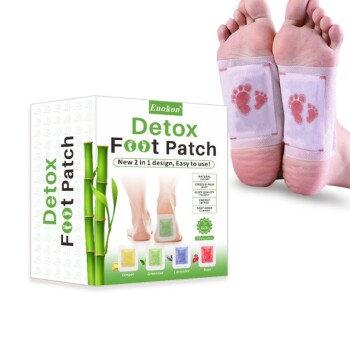
The structural integrity of a transdermal patch is a masterpiece of precision engineering. The combination of a polymer backing and a Pressure Sensitive Adhesive (PSA) is utilized because it creates a closed, controlled environment that protects the active formula while ensuring the constant, intimate skin contact required for systemic drug delivery. This dual-layer architecture transforms a topical application into a sophisticated medical device capable of maintaining consistent therapeutic levels over extended periods.
The polymer backing and PSA work in tandem to ensure unidirectional drug flow and reliable skin adhesion, which are the twin pillars of therapeutic efficacy. For enterprise-level brand owners, this specific material synergy is what enables precise dosing, high patient compliance, and the commercial scalability of a global product.
The Strategic Function of the Polymeric Backing
Unidirectional Diffusion and Formula Integrity
The polymer backing serves as the outermost barrier, providing essential physical support and preventing the medication from evaporating or leaking outward. By creating an impermeable seal, it forces the active ingredients to move in one direction: into the skin.
This layer also protects the internal drug reservoir from external environmental factors such as moisture, light, and contaminants. In high-volume manufacturing, selecting the right high-molecular polymer, such as polyester film, ensures the product remains stable throughout its shelf life.
The Occlusive Effect for Enhanced Permeation
Beyond simple protection, the backing layer creates an occlusive state at the application site. This prevents natural moisture loss from the skin, effectively hydrating the stratum corneum (the outermost layer of skin).
A hydrated skin barrier is significantly more permeable, which increases the absorption rate of the active ingredients. This R&D-driven design allows for the delivery of larger molecules that would otherwise struggle to penetrate the skin's natural defenses.
Structural Resilience for Global Distribution
For B2B resellers and distributors, the physical integrity of the patch is a critical quality metric. The polymer backing provides the mechanical strength needed to prevent the patch from tearing or deforming during wear.
This durability ensures that the patch maintains its shape and performance even as the user moves, sweats, or engages in daily activities. This reliability is essential for maintaining a brand's reputation for quality in diverse global markets.
The Role of Pressure Sensitive Adhesives (PSA) in Delivery
Maintaining the Kinetic Interface
The PSA is the "engine" of the patch's delivery system, responsible for keeping the drug-loaded matrix in permanent contact with the skin surface. Without this constant pressure, the osmotic flow of the drug would be interrupted, leading to inconsistent dosing.
High-performance adhesives, such as polyacrylates, polyisobutylene (PIB), or silicone-based materials, are engineered to provide immediate "tack." They ensure the patch remains securely attached for 24 hours or longer, regardless of skin type or movement.
Component Cohesion and Physical Stability
In a complex multi-layer patch, the PSA acts as the structural "glue" that binds the drug reservoir to the backing layer. This maintains the physical stability of the entire delivery system, preventing delamination or leakage of the active formula.
Expertly formulated PSAs also manage the internal pressure of the patch. This ensures that the drug is distributed evenly across the contact area, which is vital for achieving the precise dosing profiles required by GMP-certified standards.
Biocompatibility and Professional User Experience
A critical aspect of medical-grade PSAs is their ability to provide secure adhesion without trauma. They must remain fixed during the delivery period but be removed easily without leaving sticky residue or causing skin sensitization.
For brand owners, choosing a biocompatible PSA is a strategic decision to minimize adverse reactions. Reducing skin irritation is the most effective way to ensure high patient compliance and long-term brand loyalty.
Understanding the Trade-offs and Pitfalls
Adhesion vs. Skin Trauma
There is a delicate balance between high-tack adhesion and skin safety. While a very strong PSA prevents the patch from falling off, it can cause mechanical irritation or "skin stripping" upon removal, which is a common reason for product complaints.
Occlusion vs. Irritation
While high occlusion improves drug absorption, it can also lead to maceration (softening and breaking down of the skin) if the patch is worn too long. R&D teams must carefully calibrate the breathability of the polymer backing to match the intended wear time of the formula.
Chemical Incompatibility
Certain active ingredients or solvents can react with the PSA or the polymer backing, leading to drug crystallization or degradation of the adhesive. This highlights the importance of working with a turnkey contract R&D partner who performs rigorous stability testing on custom formulations.
Selecting the Right Architecture for Your Brand
How to Apply This to Your Product Goal
When designing a transdermal product for a specific market, the choice of materials should be driven by the desired user experience and therapeutic outcome.
- If your primary focus is Maximum Potency: Use a highly occlusive polyester backing to maximize skin hydration and ingredient permeation.
- If your primary focus is Sensitive Skin or Pediatrics: Specify a silicone-based PSA, which offers a gentler removal process and lower risk of allergic reaction.
- If your primary focus is Multi-Day Wear: Utilize a polyisobutylene (PIB) or high-performance acrylate adhesive that maintains its bond despite perspiration and movement.
- If your primary focus is Cost-Effective High Volume: Opt for standardized medical-grade polyacrylate adhesives and PET backings, which offer the best balance of performance and manufacturing efficiency.
Partnering with a GMP-certified manufacturer that masters these material synergies is the most reliable way to ensure your transdermal brand achieves market-leading efficacy and safety.
Summary Table:
| Component | Primary Function | Key Benefit for Users/Brands |
|---|---|---|
| Polymer Backing | Unidirectional diffusion & occlusion | Maximizes formula absorption and protects active ingredients. |
| PSA Adhesive | Kinetic interface & cohesion | Ensures consistent dosing through permanent, trauma-free skin contact. |
| Integrated Matrix | Structural stability | Prevents delamination and leakage during high-volume distribution. |
Elevate Your Brand with Enokon’s Precision-Engineered Transdermal Solutions
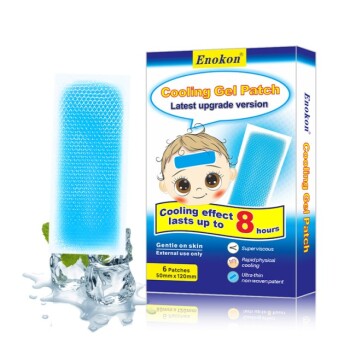
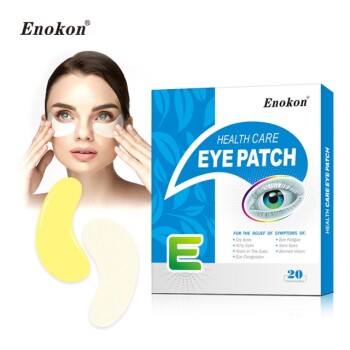
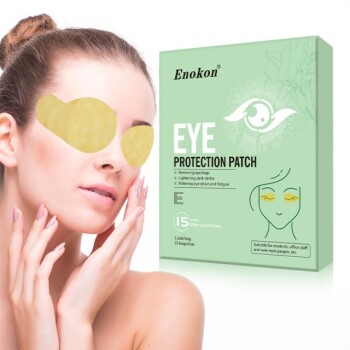
Partner with Enokon, a trusted manufacturer and GMP-certified leader in transdermal drug delivery. We empower brand owners, wholesalers, and distributors with massive production capacity and turnkey contract R&D for high-performance products. Our expertise covers a wide range of solutions—including Lidocaine, Menthol, Capsicum, Herbal, and Far Infrared pain relief, plus Eye Protection and Medical Cooling Gel patches (excluding microneedle technology).
Why choose Enokon?
- Custom Formulations: Specialized R&D to match your specific therapeutic goals.
- Reliable Scalability: High-volume delivery with stringent quality control.
- Global Standards: Full OEM/ODM support backed by comprehensive global certifications to ensure high profit margins and market compliance.
Ready to develop a market-leading transdermal product? Contact our expert R&D team today!
References
- Kengo Ueda, Yu Nakamura. Efficacy, Safety, and Tolerability of Switching from Oral Cholinesterase Inhibitors to Rivastigmine Transdermal Patch with 1-Step Titration in Patients with Mild to Moderate Alzheimer’s Disease: A 24-Week, Open-Label, Multicenter Study in Japan. DOI: 10.1159/000501364
This article is also based on technical information from Enokon Knowledge Base .
Related Products
- Far Infrared Heat Pain Relief Patches Transdermal Patches
- Icy Hot Menthol Medicine Pain Relief Patch
- Silicone Scar Sheets Patch Transdermal Drug Patch
- Menthol Gel Pain Relief Patch
- Mugwort Wormwood Pain Relief Patch for Neck Pain
People Also Ask
- Why is the control of material particle size critical in the development of Far Infrared pain relief patches? Boost Efficacy
- Why is the selection of matrix materials critical when developing customized transdermal patches? Optimize Efficacy
- What are the physical impacts of external heat exposure on the performance and safety of transdermal patches? - Guide
- What are the clinical advantages of local transdermal delivery systems? Unlock Safer, More Effective Pain Relief Solutions
- What role does a skin tolerance scoring system play in the safety evaluation of transdermal patches? Key Safety Metrics