Combining hydrophilic and hydrophobic polymers is the industry standard for achieving "zero-order" drug release and structural integrity in transdermal systems. This synergy allows manufacturers to engineer a patch that releases active ingredients at a constant rate while maintaining its physical shape on the skin. By blending materials like Carbopol 934P (hydrophilic) and Ethyl Cellulose (hydrophobic), developers can precisely control how quickly moisture enters the patch and how fast the drug exits.
The strategic combination of these polymers creates a matrix that balances moisture-driven drug diffusion with mechanical durability. This dual-action approach allows for customized, long-acting formulations that remain stable during wear and provide predictable therapeutic results for the end-user.
Engineering the Release Profile
Regulating Drug Release Kinetics
Hydrophilic polymers like Carbopol 934P or HPMC utilize their moisture-absorbing and swelling characteristics to facilitate drug release. When these polymers encounter skin moisture, they form a gel-like matrix that allows the active pharmaceutical ingredient (API) to diffuse outward.
Hydrophobic polymers, such as Ethyl Cellulose, act as a rate-controlling barrier. They delay moisture penetration into the patch, preventing the API from "dumping" all at once and ensuring a steady, controlled flow over time.
Achieving Zero-Order Release
By precisely adjusting the ratio between these two polymer types, R&D teams can achieve zero-order release kinetics. This maintains stable plasma concentrations in the patient, preventing the "peaks and valleys" often associated with oral administration.
This level of control is essential for long-acting delivery systems designed to last 24 hours or even several days. It ensures the drug is delivered at a constant rate following specific kinetic processes.
Enhancing Physical Performance and Wearability
Optimizing Folding Endurance
A transdermal patch must be flexible enough to move with the human body without cracking or peeling. Hydrophobic polymers provide the necessary structural support and framework to keep the patch intact during physical activity.
The blend enhances folding endurance, a critical quality metric for brand owners. This ensures the patch remains functional and comfortable even when applied to joints or areas of the skin subject to frequent stretching.
Managing Hygroscopicity and Stability
Hydrophilic polymers are highly hygroscopic, meaning they attract water. While this helps drug diffusion, too much moisture can make a patch lose its shape or become "mushy."
The addition of hydrophobic elements provides mechanical strength and elasticity. This balance ensures the patch retains its weight uniformity and thickness, which are vital for meeting stringent GMP-certified quality control standards.
Understanding the Trade-offs
The Risk of Improper Ratios
Achieving the perfect polymer blend is a delicate balancing act that requires sophisticated R&D prowess. If the concentration of hydrophilic polymers is too high, the patch may absorb excessive moisture, leading to premature degradation or skin irritation.
Conversely, an over-reliance on hydrophobic polymers can "trap" the drug within the matrix. This leads to poor bioavailability, where the patch contains plenty of API but fails to deliver it effectively through the skin surface.
Manufacturing Complexity
Blending polymers of different polarities requires advanced manufacturing techniques to ensure a homogenous matrix. Large-scale production must maintain this precision across millions of units to ensure every patch performs identically, a feat that requires high-volume delivery capabilities and rigorous testing.
Making the Right Choice for Your Goal
How to Apply This to Your Project
For brand owners and distributors, the polymer matrix is the "engine" of the product. Selecting the right formulation partner is critical to ensuring clinical efficacy and consumer satisfaction.
- If your primary focus is extended-release (7+ days): Seek a formulation with a higher ratio of hydrophobic polymers like Ethyl Cellulose to provide a robust framework that can withstand long-term wear.
- If your primary focus is rapid onset of action: Prioritize a matrix with higher hydrophilic content or microporous structures (like PVP) that allow the drug to leach out and penetrate the skin more quickly.
- If your primary focus is patient comfort and wearability: Ensure the formulation has been tested for high folding endurance and uses polymers that maintain elasticity under physical stress.
The precise calibration of hydrophilic and hydrophobic polymers is what transforms a simple adhesive into a sophisticated, high-performance medical delivery system.
Summary Table:
| Polymer Type | Key Examples | Primary Role in Formulation | Impact on Patch Performance |
|---|---|---|---|
| Hydrophilic | Carbopol 934P, HPMC, PVP | Moisture absorption & swelling | Facilitates drug diffusion and rapid onset |
| Hydrophobic | Ethyl Cellulose | Rate-controlling barrier | Ensures zero-order release and structural support |
| Combined Matrix | Blended Formulation | Dual-action kinetic control | Optimizes folding endurance and stable 24h+ dosing |
Scale Your Brand with Enokon’s Advanced Transdermal R&D
Maximize your market share with high-performance formulations engineered for stability and clinical efficacy. As a leading manufacturer and trusted OEM/ODM partner, Enokon provides brand owners, distributors, and wholesalers with turnkey R&D and massive production capacity.
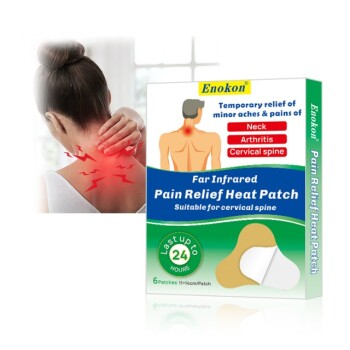
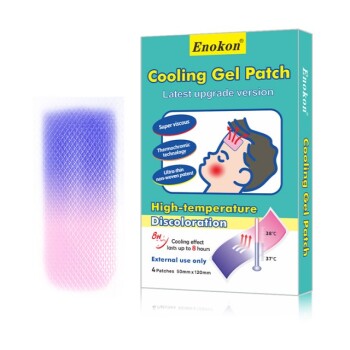
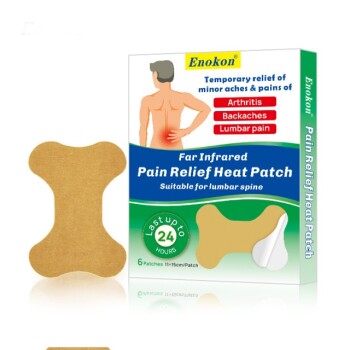
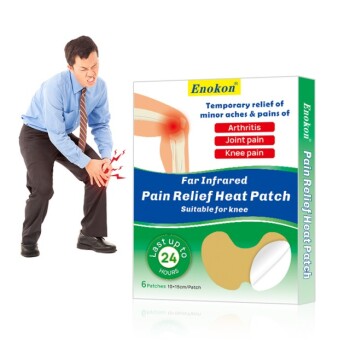
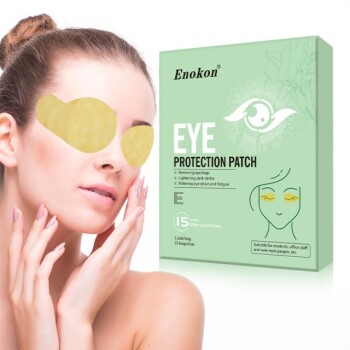
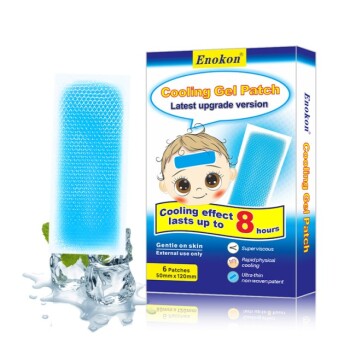
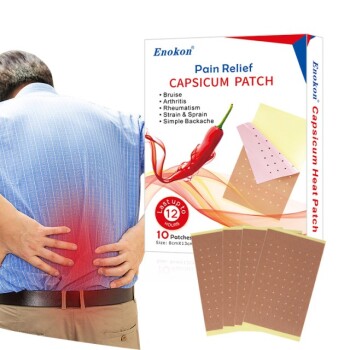
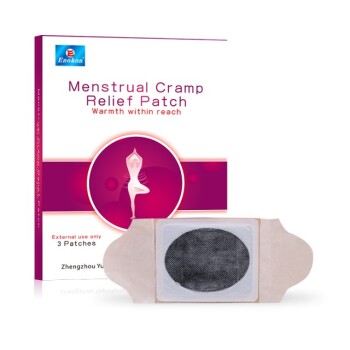
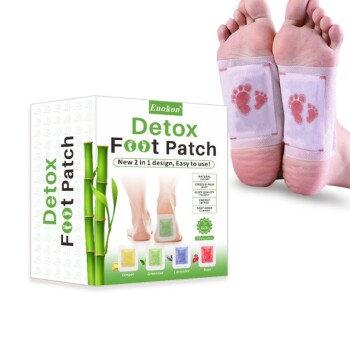
Our GMP-certified facilities specialize in custom-formulated transdermal patches—including Lidocaine, Menthol, Capsicum, Herbal, and Far Infrared pain relief, as well as Eye Protection, Detox, and Medical Cooling Gel patches (excluding microneedle technology).
Why partner with us?
- Expert R&D: Precise polymer blending for zero-order release and superior folding endurance.
- Global Standards: Stringent quality control with comprehensive certifications for international markets.
- Supply Reliability: Consistent, high-volume delivery designed to support your growth.
Ready to develop your next best-selling product? Contact us today to discuss your custom formulation!
References
- S. Srivastava, Jitender K Malik. Fabrication, Optimization, and Evaluation of Transdermal Patch: As an Alternative and Effective Transdermal Delivery System for Grainsetron HCl. DOI: 10.36348/sjmps.2025.v11i12.007
This article is also based on technical information from Enokon Knowledge Base .
Related Products
- Far Infrared Heat Pain Relief Patches Transdermal Patches
- Silicone Scar Sheets Patch Transdermal Drug Patch
- Icy Hot Menthol Medicine Pain Relief Patch
- Menthol Gel Pain Relief Patch
- Mugwort Wormwood Pain Relief Patch for Neck Pain
People Also Ask
- Why is the control of material particle size critical in the development of Far Infrared pain relief patches? Boost Efficacy
- Why is the selection of matrix materials critical when developing customized transdermal patches? Optimize Efficacy
- What are the physical impacts of external heat exposure on the performance and safety of transdermal patches? - Guide
- What are the clinical advantages of local transdermal delivery systems? Unlock Safer, More Effective Pain Relief Solutions
- What role does a skin tolerance scoring system play in the safety evaluation of transdermal patches? Key Safety Metrics