The accurate determination of capsaicin content is the primary safeguard between therapeutic success and patient injury. High-precision measurement ensures a delicate balance between effective pain relief and skin safety, allowing manufacturers to standardize Scoville Heat Units (SHU) while preventing severe adverse reactions like chemical burns or erythema.
Core Takeaway: For B2B stakeholders, precise capsaicin quantification is a critical quality control metric that validates formulation stability, ensures regulatory compliance, and protects brand reputation by mitigating the risks of skin irritation and inconsistent efficacy.
The Intersection of Efficacy and Patient Safety
Balancing Therapeutic Potency
Capsaicin works by depleting Substance P from sensory nerve terminals to achieve long-term analgesia. Because capsaicin is a potent irritant, the difference between a therapeutic dose and a harmful one is remarkably narrow.
Mitigating the Irritant Profile
Even at low concentrations, capsaicin can cause significant skin redness, stinging, and burning sensations. Precise measurement allows manufacturers to strictly limit the application area and concentration, ensuring the patch remains safe for sensitive populations, such as elderly patients with thinner skin tissue.
Protecting Sensitive Anatomical Zones
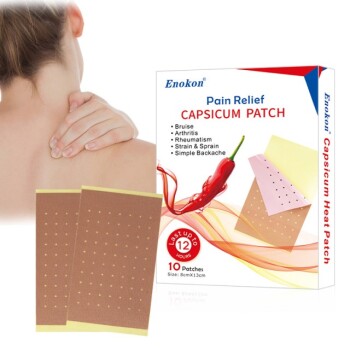
Patches used near the head or neck carry a higher risk of accidental mucosal contact with the eyes or mouth. Accurate determination of the active ingredient ensures that the patch does not exceed safety thresholds that could lead to severe respiratory irritation or ocular pain if handled improperly.
Technical Precision in Manufacturing and R&D
Preserving Formulation Stability
Capsaicinoids are highly susceptible to degradation under light and high temperatures, often alongside other volatile ingredients like menthol or camphor. High-tier manufacturing facilities utilize strict temperature control (typically 4°C) during sampling and extraction to ensure the analysis reflects the actual efficacy of the final product.
Validation via Scoville Heat Units (SHU)
Precise measurement allows brand owners to accurately evaluate the Scoville Heat Units of their product. This standardization is essential for maintaining product consistency across massive production volumes, ensuring that every batch delivered to a distributor meets the exact specifications of the original R&D formulation.
GMP-Certified Analytical Rigor
Utilizing a manufacturer with GMP-certified facilities ensures that capsaicin content is verified through validated chromatographic methods. This level of technical oversight is what allows global brands to scale production while maintaining the rigorous quality control required for medical-grade topical analgesics.
Understanding the Trade-offs and Risks
The Fallacy of Higher Concentrations
Research indicates that higher concentrations (e.g., 1.25%) are not necessarily more effective than lower doses but significantly increase the risk of dropout rates due to discomfort. Over-concentrating a patch can lead to poor patient compliance and increased liability for the brand owner without providing a competitive edge in efficacy.
Environmental Sensitivities
If the manufacturing process lacks stringent environmental controls, the capsaicin content can fluctuate during the production cycle. This instability can result in "hot spots" within a single production run, where some patches are sub-therapeutic while others are dangerously irritant.
Inhalation and Handling Hazards
During the manufacturing and packaging phases, inaccurate handling of capsaicin can lead to respiratory irritation for facility staff and potential cross-contamination. Robust R&D prowess is required to manage these volatile ingredients safely at an enterprise scale.
Making the Right Choice for Your Goal
- If your primary focus is Brand Integrity: Prioritize partners with GMP certifications and turnkey R&D capabilities that can guarantee batch-to-batch consistency in capsaicin concentration.
- If your primary focus is Market Expansion: Ensure your manufacturer can provide documented SHU validation and stability testing to satisfy diverse global regulatory requirements for topical irritants.
- If your primary focus is Product Innovation: Seek custom formulation experts who can balance capsaicin with soothing agents to maximize Substance P depletion while minimizing the local burning sensation.
The hallmark of a world-class Capsicum patch lies in the precision of its active ingredient, turning a potent natural irritant into a reliable, high-volume medical solution.
Summary Table:
| Key Metric | Importance in Quality Control | Benefit for Brand Owners & Distributors |
|---|---|---|
| Concentration Accuracy | Prevents chemical burns and skin erythema | Reduces product liability and consumer complaints |
| SHU Validation | Ensures consistent "heat" levels across batches | Maintains brand integrity and customer loyalty |
| Formulation Stability | Prevents degradation of active ingredients | Extends shelf life and ensures long-term efficacy |
| GMP Compliance | Validates manufacturing via chromatographic methods | Simplifies global regulatory approvals and exports |
| R&D Optimization | Balances pain relief with skin tolerance | Creates a competitive edge with superior UX |
Scale Your Pain Relief Line with Enokon’s Manufacturing Excellence
Protect your brand reputation and ensure patient safety with Enokon, a trusted manufacturer specializing in high-precision transdermal drug delivery systems. We provide brand owners, distributors, and B2B resellers with the technical rigor needed to turn potent ingredients like capsaicin into safe, market-leading products.
Why Partner with Enokon?
- Turnkey R&D & Custom Formulations: Expertly balanced active ingredients for maximum efficacy and minimal irritation.
- Massive Production Capacity: GMP-certified facilities capable of reliable, high-volume delivery.
- Comprehensive Product Range: Wholesale solutions for Lidocaine, Menthol, Capsicum, Herbal, and Far Infrared pain relief, plus Eye Protection, Detox, and Medical Cooling Gel patches (excluding microneedle technology).
- Global Standards: Stringent quality control and certifications to support your market expansion.
Ready to enhance your product portfolio with a reliable OEM/ODM partner?
Contact Us Today for a Custom R&D Consultation
References
- İbrahim Daniş, Duri Şehvar Ünal. Capsaicin determination from pain patch for the calculation of Scoville heat units by gas chromatography-mass spectrometry. DOI: 10.26650/istanbuljpharm.2021.909411
This article is also based on technical information from Enokon Knowledge Base .
Related Products
- Heat Relief Capsicum Patch for Lower Back Pain Relief
- Capsaicin Chili Medicated Pain Relief Patches
- Icy Hot Menthol Medicine Pain Relief Patch
- Menthol Gel Pain Relief Patch
- Mugwort Wormwood Pain Relief Patch for Neck Pain
People Also Ask
- What were the inclusion criteria for the study on capsicum plaster for back pain? Key Requirements Explained
- What is Capsicum Plaster used for? Targeted Pain Relief for Musculoskeletal Discomfort
- What role does a rotary shaker play in Capsicum patch extraction? Ensuring Precise Potency & GMP Quality Control
- What are some alternatives to lidocaine patches for lower back pain? Explore 5 Effective Options
- How does the active ingredient Capsicum in the Heat Patch work? A Dual-Action Path to Pain Relief