Folding endurance testing is the definitive measure of a transdermal patch's mechanical resilience and formulation stability. It ensures that a patch remains intact when applied to highly mobile areas like joints, preventing cracks or tears that would otherwise disrupt drug delivery. By quantifying how many times a patch can bend before failing, manufacturers verify that the polymer matrix and plasticizer ratios are optimized for real-world patient use.
Core Takeaway: Folding endurance testing validates the structural integrity of a transdermal patch, ensuring it can withstand repeated physical movement without fracturing. This test is a critical quality benchmark that guarantees consistent drug release and maintains the brand’s reputation for reliability and patient compliance.
The Science of Formulation Optimization
Validating the Polymer Matrix
The core of a transdermal patch is its polymer matrix, often composed of materials like HPMC or MC. Folding endurance testing evaluates the mechanical toughness of these film-forming polymers to ensure they do not become brittle.
A high folding endurance value indicates a superior molecular structure capable of maintaining its form under stress. This is a primary indicator of R&D excellence in creating stable, high-performance delivery systems.
Balancing Plasticizer Ratios
The ratio of plasticizers, such as PEG 400 or Polyvinyl Alcohol, is critical to the elasticity of the patch. If the ratio is incorrect, the patch will either be too rigid (leading to cracks) or too soft (leading to adhesive failure).
Testing allows researchers to fine-tune these formulations during the R&D phase. A patch that withstands over 300 folds without breaking demonstrates an optimal balance, ensuring the product remains flexible throughout its shelf life.
Ensuring Therapeutic Integrity and Compliance
Safeguarding Continuous Drug Release
When a patch cracks or ruptures, the controlled release of the medication is compromised. This can lead to "dose dumping" or a complete failure of the delivery system, posing a risk to patient safety.
By ensuring the patch remains free of fractures, folding endurance testing guarantees that the drug-loaded layer stays in full contact with the skin. This stability is essential for maintaining the pharmacokinetic profile required for clinical efficacy.
Enhancing Patient Wearability
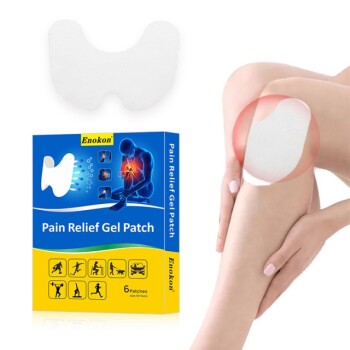
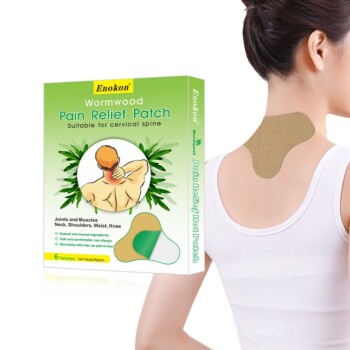
Patches are frequently applied to active body parts like elbows, knees, or shoulders. If a patch peels or breaks during movement, patient compliance drops significantly, and the treatment becomes ineffective.
Rigorous mechanical testing simulates these real-world stresses, ensuring the patch stays adhered and intact during physical activity. This reliability is a key differentiator for brand owners looking to provide a premium user experience.
Understanding the Trade-offs and Pitfalls
The Rigidity vs. Adhesion Dilemma
Increasing the flexibility of a patch through higher plasticizer content can sometimes decrease the cohesive strength of the adhesive. Manufacturers must find the "sweet spot" where the patch is flexible enough to pass endurance tests but firm enough to stay in place.
Environmental Sensitivities
Folding endurance can be affected by storage conditions, such as temperature and humidity. A patch that passes testing in a lab may fail if the formulation is susceptible to drying out or absorbing moisture over time.
Simulation Limitations
While folding endurance is a vital metric, it is a localized test. It must be combined with peel strength and tack testing to get a comprehensive view of how the patch will perform across the entire surface of the skin.
How to Apply This to Your Project
Selecting a Manufacturing Partner
When evaluating an OEM/ODM partner for transdermal products, their approach to mechanical testing is a direct reflection of their quality control standards. High-volume, GMP-certified facilities use these tests to ensure every batch meets global regulatory requirements.
- If your primary focus is Joint or Muscle Pain Relief: Ensure your manufacturer provides data showing the patch can withstand 300+ folds to handle the high mobility of target application areas.
- If your primary focus is Long-Term Wear (72+ hours): Prioritize formulations that emphasize polymer matrix stability to prevent the patch from becoming brittle as the drug is depleted.
- If your primary focus is Brand Reputation and Premium Positioning: Use folding endurance as a key "Quality Proof Point" in your technical dossiers to demonstrate the physical superiority of your product.
Technical mastery in folding endurance testing ensures that your transdermal product delivers consistent clinical results while maintaining the structural integrity demanded by active patients.
Summary Table:
| Key Metric | Function in Patch Evaluation | Target Standard |
|---|---|---|
| Polymer Matrix | Validates structural toughness (HPMC/MC) | No brittleness under stress |
| Plasticizer Ratio | Balances elasticity and adhesion (PEG 400) | Optimal flexibility/shelf life |
| Endurance Value | Simulates real-world movement/joint use | ≥ 300 folds without failure |
| Drug Release | Prevents dose dumping and fractures | Constant pharmacokinetic profile |
Partner with Enokon for Industry-Leading Transdermal Solutions
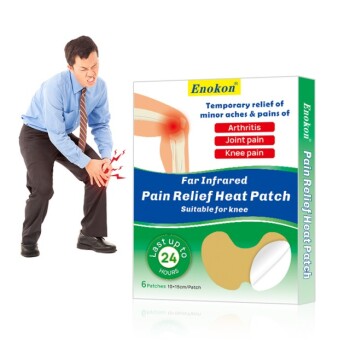
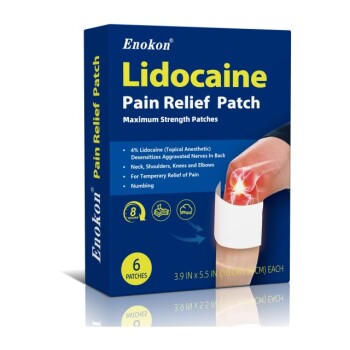
Scale your brand with Enokon, a trusted manufacturer and R&D partner specializing in high-performance transdermal patches. Our GMP-certified facilities and stringent quality control ensure every product—from Lidocaine and Menthol to Herbal and Far Infrared pain relief—meets the highest mechanical resilience standards.
Why Brand Owners & Wholesalers Choose Enokon:
- Turnkey Custom R&D: Optimized formulations for superior folding endurance and stability.
- Enterprise Manufacturing: Massive production capacity for reliable high-volume delivery.
- Global Compliance: Certified products (excluding microneedle technology) ready for international markets.
- B2B Growth: Competitive profit margins and dedicated OEM/ODM support to protect your brand reputation.
Ready to elevate your product quality? Contact Enokon Today for a Custom Quote
References
- S. Srivastava, Jitender K Malik. Fabrication, Optimization, and Evaluation of Transdermal Patch: As an Alternative and Effective Transdermal Delivery System for Grainsetron HCl. DOI: 10.36348/sjmps.2025.v11i12.007
This article is also based on technical information from Enokon Knowledge Base .
Related Products
- Far Infrared Heat Pain Relief Patches Transdermal Patches
- Icy Hot Menthol Medicine Pain Relief Patch
- Silicone Scar Sheets Patch Transdermal Drug Patch
- Menthol Gel Pain Relief Patch
- Mugwort Wormwood Pain Relief Patch for Neck Pain
People Also Ask
- Why is the control of material particle size critical in the development of Far Infrared pain relief patches? Boost Efficacy
- Why is the selection of matrix materials critical when developing customized transdermal patches? Optimize Efficacy
- What are the physical impacts of external heat exposure on the performance and safety of transdermal patches? - Guide
- What are the clinical advantages of local transdermal delivery systems? Unlock Safer, More Effective Pain Relief Solutions
- What role does a skin tolerance scoring system play in the safety evaluation of transdermal patches? Key Safety Metrics