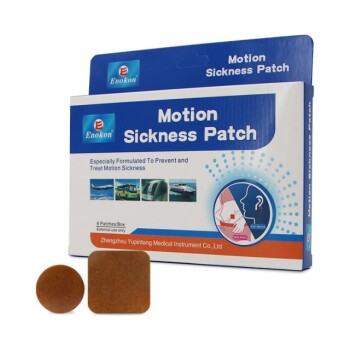
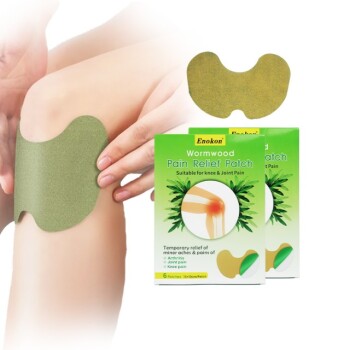
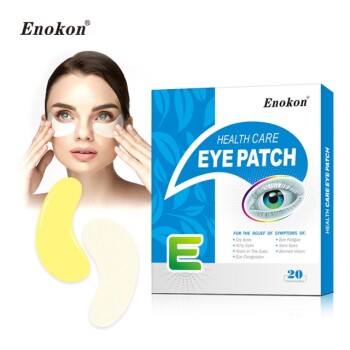
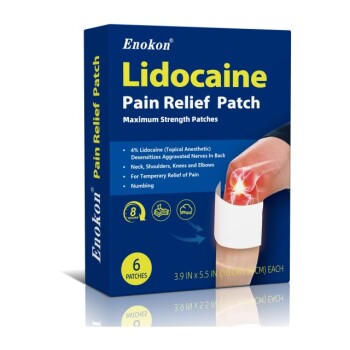
High-precision pH testing is the definitive safeguard against skin irritation and product liability in transdermal patch manufacturing. It ensures that the patch surface maintains an acidity level typically between pH 4.5 and 6.5, closely mimicking the natural "acid mantle" of human skin. This precise alignment is critical for preventing contact dermatitis, redness, and chemical inflammation during the prolonged wear times required for modern therapeutic delivery.
High-precision pH testing is a foundational quality control pillar that guarantees biocompatibility and clinical safety. By maintaining a strict acidic balance, enterprise-level manufacturers protect both the end-user's skin integrity and the brand owner's global market reputation.
Ensuring Biocompatibility through Physiological Alignment
Matching the Human Acid Mantle
Human skin maintains a slightly acidic environment to defend against pathogens and maintain structural integrity. High-precision digital pH meters are used to verify that transdermal patches stay within the 4.5 to 6.5 pH range. If a patch deviates from this physiological norm, it can disrupt the skin's natural barrier, leading to long-term tissue damage.
Preventing Adverse Skin Reactions
When a patch is applied for extended periods, even slight chemical imbalances can cause redness, itching, or allergic reactions. Strict pH monitoring ensures that the patch remains non-irritating, even when applied to sensitive or recovering tissue. This is a vital step in verifying the biocompatibility of the medical device before it reaches the consumer.
Clinical Safety for Damaged Tissue
In applications involving wound healing or "swollen" patch states, the risk of chemical inflammation is significantly higher. Using micro-electrodes, manufacturers can monitor hydrogen ion concentrations in real-time. This level of detail ensures that the product remains safe for use on compromised skin where natural defenses are weakened.
Enterprise-Level Quality Control and R&D Prowess
Advanced Digital Monitoring
Top-tier OEM/ODM partners utilize high-precision digital pH meters paired with specialized surface electrodes. These tools allow for accurate readings in a "wetted" or swollen state, reflecting how the patch will actually behave on the patient's body. This technical rigor is what separates high-volume commodity products from premium medical-grade formulations.
Scaling Consistency in Massive Production
Maintaining a consistent pH across millions of units requires sophisticated R&D and automated QC protocols. Enterprise-level manufacturers integrate pH testing into their GMP-certified workflows to ensure every batch meets global safety standards. This reliability is essential for distributors and brand owners who need to ensure uniform quality across international markets.
Verification of Custom Formulations
For brands developing custom formulations, pH testing is a core component of the R&D phase. It allows chemists to adjust active ingredients and adhesives without compromising the patch's physiological compatibility. This iterative testing ensures that high-potency drugs do not inadvertently shift the patch into a range that causes skin dryness or chemical burns.
Understanding the Trade-offs and Technical Challenges
Sensitivity vs. Testing Speed
While high-precision meters provide the most accurate data, they require meticulous calibration and stabilized environments. In a high-volume manufacturing setting, balancing this analytical sensitivity with production throughput is a significant challenge. Manufacturers must invest in advanced instrumentation to ensure that accuracy does not become a bottleneck in the supply chain.
The Impact of Environmental Factors
The pH of a transdermal patch can be influenced by storage conditions, humidity, and the specific state of the adhesive (e.g., after swelling). Relying on a single, static measurement can be misleading. A robust QC process involves testing the patch under simulated use conditions to ensure the pH remains stable throughout the product's entire wear cycle.
How to Apply This to Your Project
Making the Right Choice for Your Goal
- If your primary focus is Brand Protection: Partner with a manufacturer that utilizes high-precision digital pH monitoring to eliminate the risk of consumer skin reactions and costly product recalls.
- If your primary focus is Global Market Access: Ensure your OEM partner adheres to stringent GMP-certified QC protocols that document pH compatibility as part of the technical file for medical device registration.
- If your primary focus is Innovative Formulations: Prioritize R&D partners who offer real-time pH monitoring during the swelling and drug-release phases to guarantee the safety of complex or high-potency active ingredients.
Rigorous pH testing is the technical bridge between a high-performance therapeutic delivery system and a safe, commercially successful medical product.
Summary Table:
| Quality Metric | Target pH Range | Strategic Benefit for Brand Owners |
|---|---|---|
| Skin Biocompatibility | 4.5 – 6.5 pH | Prevents contact dermatitis and chemical inflammation. |
| Physiological Alignment | Acid Mantle Match | Ensures long-term wear safety for sensitive or damaged skin. |
| Manufacturing QC | Digital Monitoring | Guarantees batch-to-batch consistency in high-volume runs. |
| R&D Validation | Micro-electrode Testing | Safely integrates high-potency active ingredients in custom formulas. |
Partner with Enokon for High-Precision Transdermal Manufacturing
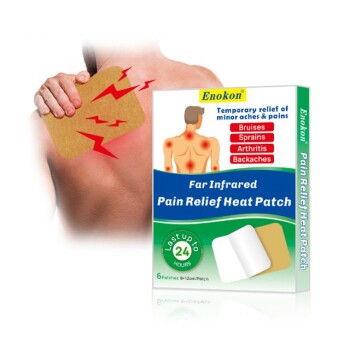
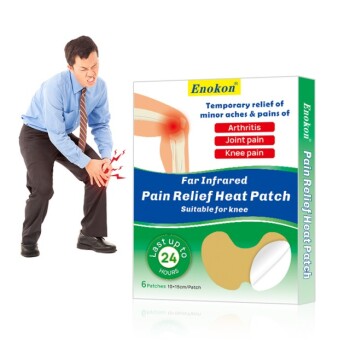
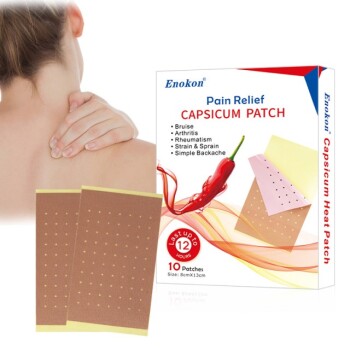
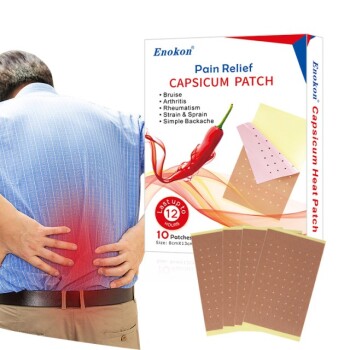
As a trusted global manufacturer and R&D powerhouse, Enokon specializes in delivering high-volume, medical-grade transdermal solutions for brand owners, distributors, and wholesalers. Our GMP-certified facilities utilize rigorous high-precision pH testing to ensure every patch—from Lidocaine and Menthol to Capsicum, Herbal, and Far Infrared pain relief—meets the strictest safety standards.
We offer comprehensive OEM/ODM and turnkey contract R&D services (excluding microneedle technology), providing you with:
- Reliable High-Volume Delivery: Massive production capacity to scale your business.
- Custom Formulations: Expert R&D to bring your unique product vision to life.
- Global Compliance: Stringent quality control and full certification support.
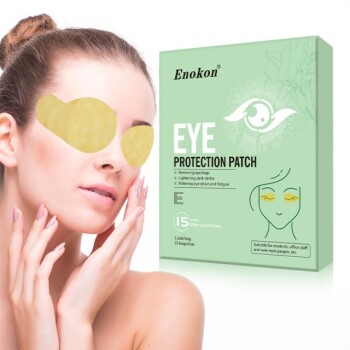
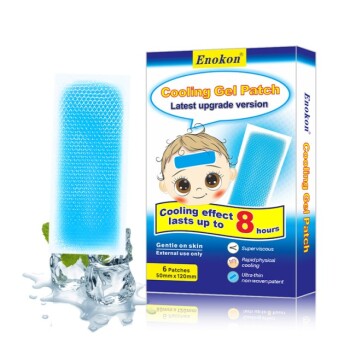
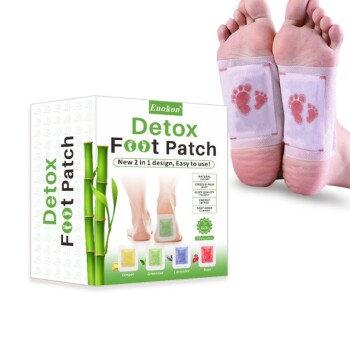
- Market-Ready Solutions: Including Eye Protection, Detox, and Medical Cooling Gel patches.
Secure your supply chain and enhance your profit margins with a partner that prioritizes clinical safety. Contact Enokon for a Custom Quote Today!
References
- Nurlina Nurlina, Lanny Sunarjo. EFEKTIVITAS PATCH TRANSDERMAL EKSTRAK SARANG BURUNG WALET (AERODRAMUS FUCIPHAGUS) TERHADAP PENYEMBUHAN LUKA PERINEUM PADA IBU POSTPARTUM. DOI: 10.34011/juriskesbdg.v17i1.2700
This article is also based on technical information from Enokon Knowledge Base .
Related Products
- Far Infrared Heat Pain Relief Patches Transdermal Patches
- Silicone Scar Sheets Patch Transdermal Drug Patch
- Icy Hot Menthol Medicine Pain Relief Patch
- Menthol Gel Pain Relief Patch
- Mugwort Wormwood Pain Relief Patch for Neck Pain
People Also Ask
- Why is the control of material particle size critical in the development of Far Infrared pain relief patches? Boost Efficacy
- Why is the selection of matrix materials critical when developing customized transdermal patches? Optimize Efficacy
- What are the physical impacts of external heat exposure on the performance and safety of transdermal patches? - Guide
- What are the clinical advantages of local transdermal delivery systems? Unlock Safer, More Effective Pain Relief Solutions
- What role does a skin tolerance scoring system play in the safety evaluation of transdermal patches? Key Safety Metrics