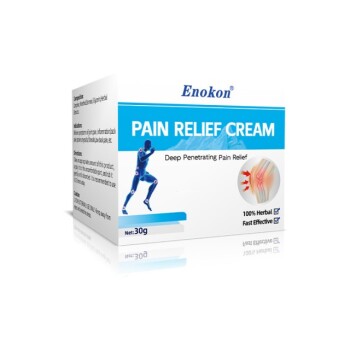
Hydrogenated Rosin Glycerol Ester acts as a high-performance pressure-sensitive adhesive (PSA) in transdermal patch formulations. This specialized material ensures the patch maintains immediate and persistent contact with the skin throughout the entire application period. By securing a tight interface, it facilitates the continuous, stable penetration of the active pharmaceutical ingredient (API) through the skin barrier.
Core Takeaway: Hydrogenated Rosin Glycerol Ester is the critical component that bridges the gap between mechanical adhesion and therapeutic efficacy. For brand owners and distributors, this material represents a commitment to product reliability, ensuring patches do not detach prematurely while maintaining the chemical stability required for long-term storage.
The Role of Hydrogenated Rosin Glycerol Ester in Adhesive Performance
Superior Skin Contact and Initial "Tack"
The primary function of this ester is to provide the initial tack and long-term adhesion necessary for transdermal delivery. It allows the patch to bond instantly to the skin’s surface with minimal pressure, adapting to the micro-contours of the epidermis.
Ensuring Continuous Drug Flux
Because transdermal delivery relies on a constant concentration gradient, any lift or air pocket between the patch and the skin can halt drug absorption. This material ensures a seamless interface, which is vital for maintaining the steady-state delivery of the medication over hours or days.
Enhanced Physical and Chemical Stability
Hydrogenated Rosin Glycerol Ester is preferred over non-hydrogenated versions because the hydrogenation process increases oxidative stability. This prevents the adhesive from yellowing, becoming brittle, or losing its adhesive properties during the product’s shelf life, which is essential for high-volume distribution.
Manufacturing and R&D Advantages
Compatibility with Complex Formulations
In an enterprise R&D environment, this ester is valued for its compatibility with various polymers and active ingredients. It can be integrated into diverse matrix designs without compromising the physical integrity of the patch or reacting negatively with the drug molecules.
Scalability for High-Volume Production
For wholesalers and B2B partners, the use of standardized, high-quality esters is a hallmark of GMP-certified manufacturing. These materials are suitable for large-scale solvent casting or hot-melt coating processes, ensuring consistent quality across millions of units.
Contribution to Patient Comfort
While primarily an adhesive, the glycerol-based structure of the ester contributes to the overall flexibility and extensibility of the patch. This allows the patch to move with the patient’s body, reducing the risk of "edge lift" or discomfort during physical activity.
Understanding the Trade-offs
Potential for Skin Sensitization
While highly effective, rosin-derived products can occasionally cause skin irritation or allergic contact dermatitis in sensitive populations. To mitigate this, expert formulators use highly purified, hydrogenated grades to reduce the presence of potential allergens and ensure global regulatory compliance.
Adhesive Residue vs. Peel Strength
Finding the perfect balance between high adhesion and "clean peel" is a common manufacturing challenge. Excessive tack can lead to adhesive residue left on the skin after removal, which may negatively impact the end-user's perception of the brand's quality.
Environmental and Storage Sensitivity
Although hydrogenated esters are stable, the final patch remains sensitive to extreme temperature fluctuations. Brands must ensure that their supply chain and warehousing maintain stable conditions to prevent the adhesive from softening or "oozing" from the edges of the patch.
How to Apply This to Your Project
When evaluating a contract manufacturing partner for transdermal products, the choice of adhesive is a direct indicator of their technical depth and commitment to quality.
- If your primary focus is patient compliance and long-wear applications: Prioritize formulations using hydrogenated rosin glycerol esters to ensure the patch remains secure for the entire 24-to-72-hour cycle.
- If your primary focus is global market entry and regulatory approval: Ensure your manufacturer uses medical-grade, highly purified esters that meet international safety standards to minimize the risk of skin irritation reports.
- If your primary focus is premium brand positioning: Look for a partner who can balance high tack with a "clean removal" profile, ensuring no sticky residue is left behind, which enhances the user experience.
The strategic selection of Hydrogenated Rosin Glycerol Ester is a cornerstone of professional transdermal engineering, ensuring that every patch delivered is a reliable vehicle for therapeutic success.
Summary Table:
| Key Feature | Functional Benefit | Business Value for Partners |
|---|---|---|
| High Initial Tack | Immediate bond to skin micro-contours | Enhanced patient compliance & user experience |
| Oxidative Stability | Prevents yellowing and adhesive degradation | Longer shelf life & reduced inventory waste |
| Seamless Interface | Maintains constant drug flux/absorption | Ensures therapeutic efficacy & product reliability |
| Matrix Compatibility | Stable integration with diverse APIs/polymers | Versatile R&D for custom formulations |
| GMP Scalability | Consistent quality in high-volume runs | Reliable supply chain for large-scale distribution |
Scale Your Brand with Enokon’s Advanced Transdermal Manufacturing
As a premier manufacturer and R&D expert, Enokon specializes in high-performance transdermal drug delivery solutions designed for brand owners, wholesalers, and B2B resellers. By utilizing high-purity materials like Hydrogenated Rosin Glycerol Ester, we ensure your products deliver superior adhesion and clinical reliability.
Our Turnkey Solutions Include:
- Comprehensive Product Range: High-demand patches including Lidocaine, Menthol, Capsicum, Herbal pain relief, Eye Protection, Detox, and Medical Cooling Gel patches.
- Expert R&D & Customization: Enterprise-level custom formulations and matrix designs tailored to your specific API needs (excluding microneedle technology).
- Manufacturing Excellence: Massive production capacity within GMP-certified facilities, ensuring stringent quality control and reliable high-volume delivery.
- Partner Support: We offer robust OEM/ODM support to help distributors maximize profit margins and market competitiveness.
Ready to launch or scale your transdermal product line?
Contact Enokon Today for Wholesale Pricing & Custom R&D Solutions
References
- Ikuhiro Kakubari, Kozo Takayama. Formulation and Evaluation of Ethylene-Vinyl Acetate Copolymer Matrix Patches Containing Formoterol Fumarate. DOI: 10.1248/bpb.29.513
This article is also based on technical information from Enokon Knowledge Base .
Related Products
- Asthma Cough and Pain Relief Patch for Adults and Kids
- Herbal Pain Relief Cream Pain Relieving Creams
- Herbal Medicated Anti Diarrhea Patch for Digestive Relief
- Hydra Gel Health Care Eye Patch
- Natural Herbal Tube Cream for Pain Relief Analgesic Cream
People Also Ask
- What role do natural ingredients and acupoint stimulation play in a cough relief patch? Synergistic Relief Explained
- What are the key benefits of using the cough relief patch? Soothe Your Cough with Targeted, Non-Oral Relief
- How does the cough relief patch provide targeted relief? Direct, Soothing Comfort for Coughs & Chest Congestion
- What makes the cough relief patch a convenient option for managing coughs? A Mess-Free, On-the-Go Solution
- Can pregnant women use pain relief patches? Your Essential Guide to Safe Pain Management