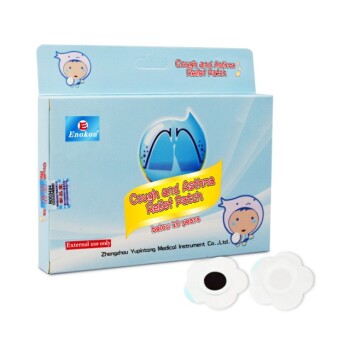
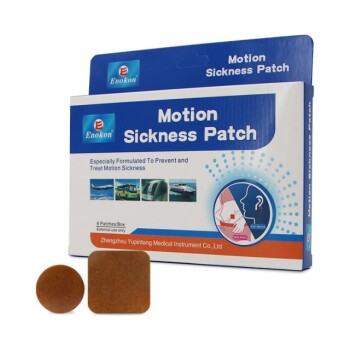
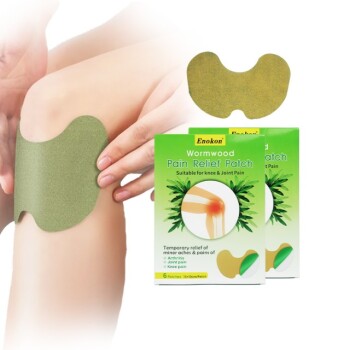
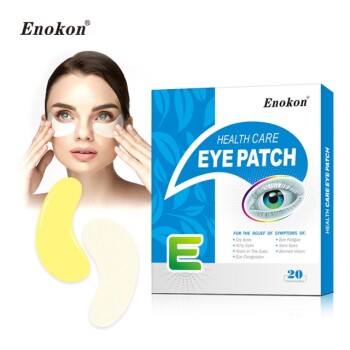
Comparative screening of terpenes and fatty acid esters is essential to align the specific chemical mechanism of the enhancer with the unique molecular profile of the active pharmaceutical ingredient (API). Because terpenes like Eucalyptol and fatty acid esters like Isopropyl Myristate (IPM) interact with the skin's lipid barrier through fundamentally different pathways, choosing the wrong category can result in poor drug flux and reduced clinical efficacy. This comparison ensures that the final transdermal patch formulation achieves the highest possible bioavailability for its specific application.
To maximize the commercial and clinical success of a transdermal product, R&D teams must determine whether a drug requires an enhancer that modifies skin polarity or one that reduces physical diffusion resistance. This strategic selection is the difference between a high-performance patch and a failed formulation.
The Strategic Importance of Enhancer Screening
Mechanistic Divergence in Lipid Interaction
Terpenes and fatty acid esters do not work in the same way. Terpenes typically function by acting as hydrogen bond acceptors or donors, disrupting the hydrogen bond network of ceramide headgroups in the skin's stratum corneum.
In contrast, fatty acid esters like Isopropyl Myristate (IPM) primarily function by penetrating the gaps between intercellular lipids. This reduces the skin's barrier resistance by increasing the fluidity of the lipid bilayer, making it easier for drug molecules to move through the skin.
Optimizing the Drug-Enhancer Synergy
The choice between these two classes depends heavily on the lipophilicity and polarity of the drug molecule. A terpene might be the superior choice for a polar or hydrophilic drug, while a fatty acid ester might better assist a drug that needs an improved partition coefficient to enter the skin.
By comparing these categories during the R&D phase, manufacturers can fine-tune the formulation to ensure the API enters systemic circulation at the required therapeutic levels. This precision prevents the need for higher drug dosages, which can reduce raw material costs and minimize the risk of side effects.
Enterprise-Level R&D and Manufacturing Advantages
Precision Engineering for Custom Formulations
For brand owners and B2B partners, the comparison of these enhancers is a hallmark of sophisticated R&D. A turnkey contract manufacturer must perform these screenings to guarantee that a custom formulation will perform consistently across diverse patient populations.
Utilizing a data-driven approach to select between Eucalyptol and IPM demonstrates a commitment to technical excellence. This level of scrutiny ensures that the resulting transdermal patches meet the rigorous standards expected by global brands and medical distributors.
Reliability in High-Volume Production
Selecting the correct penetration enhancer is critical for maintaining formulation stability during mass production. Certain enhancers may interact differently with the patch's adhesive matrix or backing film, affecting the product's shelf life and delivery consistency.
In GMP-certified facilities, screening ensures that the chosen enhancer supports a stable, scalable manufacturing process. This reliability is essential for wholesalers and resellers who require high-volume delivery without compromising the integrity of the transdermal system.
Understanding the Trade-offs and Pitfalls
Balancing Permeability and Skin Irritation
While increasing penetration is the goal, some enhancers can cause localized skin irritation if used at incorrect concentrations. Terpenes, while effective, are potent and must be balanced carefully to ensure patient comfort and compliance.
Compatibility with Patch Adhesives
Not all enhancers are compatible with every pressure-sensitive adhesive (PSA). Some fatty acid esters can act as plasticizers, potentially softening the adhesive to the point where the patch leaves residue or fails to stay attached to the skin.
Regulatory and Sensory Considerations
The choice of enhancer also affects the "sensory" experience of the patch, such as scent or oiliness. Additionally, certain enhancers have more established safety profiles in specific global markets, which can impact the speed of regulatory approval for international distribution.
Making the Right Choice for Your Product Goal
Successful transdermal product development requires a partner who understands the deep chemistry of skin penetration. The selection of an enhancer must be a strategic decision based on the specific goals of your brand and the needs of your end-users.
- If your primary focus is maximizing the flux of polar or hydrophilic drugs: Prioritize the screening of terpenes like Eucalyptol to disrupt the ceramide hydrogen bond network.
- If your primary focus is improving the diffusion rate of lipophilic compounds: Focus on fatty acid esters like Isopropyl Myristate to increase the fluidity of the lipid bilayer.
- If your primary focus is rapid market entry with a stable, high-volume product: Seek a partner with GMP-certified R&D capable of performing comprehensive compatibility testing between the enhancer and the adhesive matrix.
By strategically comparing these chemical pathways, you ensure your transdermal solution is both scientifically sound and commercially viable.
Summary Table:
Comparison: Terpenes vs. Fatty Acid Esters in Transdermal Formulations
| Feature | Terpenes (e.g., Eucalyptol) | Fatty Acid Esters (e.g., IPM) |
|---|---|---|
| Mechanism | Disrupts ceramide hydrogen bond networks | Increases lipid bilayer fluidity |
| Best For | Polar or hydrophilic drug molecules | Lipophilic (oil-soluble) compounds |
| Drug Flux | Enhances via polarity modification | Enhances via reduced diffusion resistance |
| Adhesive Impact | Potent; requires careful concentration | May act as a plasticizer/softener |
| Ideal Use Case | High-potency pain relief or herbal patches | Deep-tissue delivery & partition improvement |
Elevate Your Brand with Enokon’s Precision Transdermal Solutions
Are you looking to develop a market-leading transdermal product? Enokon is your trusted manufacturer and partner for high-volume production and turnkey R&D. We specialize in transforming complex chemical screenings—like the selection of optimal penetration enhancers—into stable, commercially successful formulations.
Why Choose Enokon?
- Expert R&D: Custom formulations tailored to your specific API (Lidocaine, Menthol, Herbal, etc.).
- Scalable Manufacturing: GMP-certified facilities capable of meeting massive global demand.
- Diverse Portfolio: Wholesale solutions for pain relief, detox, eye protection, and medical cooling gel patches (excluding microneedle technology).
- Quality Assurance: Stringent QC to ensure consistent drug delivery and patch stability.
Maximize your product's efficacy and reliability. Contact our expert team today to discuss your wholesale or custom manufacturing needs!
References
- Ikuhiro Kakubari, Kozo Takayama. Effects of Solvents on Skin Permeation of Formoterol Fumarate. DOI: 10.1248/bpb.29.146
This article is also based on technical information from Enokon Knowledge Base .
Related Products
- Far Infrared Heat Pain Relief Patches Transdermal Patches
- Silicone Scar Sheets Patch Transdermal Drug Patch
- Icy Hot Menthol Medicine Pain Relief Patch
- Menthol Gel Pain Relief Patch
- Mugwort Wormwood Pain Relief Patch for Neck Pain
People Also Ask
- Why is the control of material particle size critical in the development of Far Infrared pain relief patches? Boost Efficacy
- Why is the selection of matrix materials critical when developing customized transdermal patches? Optimize Efficacy
- What are the physical impacts of external heat exposure on the performance and safety of transdermal patches? - Guide
- What are the clinical advantages of local transdermal delivery systems? Unlock Safer, More Effective Pain Relief Solutions
- What role does a skin tolerance scoring system play in the safety evaluation of transdermal patches? Key Safety Metrics