The practice of alternating application sites is a fundamental safety and efficacy protocol in transdermal drug delivery. By rotating the patch between areas like the back, upper arm, or chest, users prevent localized skin irritation and allow the skin barrier to recover from the mechanical and chemical stress of adhesives. This systematic rotation ensures consistent drug absorption rates and maintains the high bioavailability required for therapeutic success.
Core Takeaway: Site rotation is a technical necessity to prevent contact dermatitis and ensure stable drug permeation. For brand owners and distributors, promoting this practice is essential for maintaining patient adherence and the long-term clinical viability of a transdermal product line.
Protecting the Skin Barrier and User Adherence
Preventing Mechanical and Chemical Irritation
Transdermal patches utilize pressure-sensitive adhesives (PSAs) and backing materials that can cause localized stress on the skin over 24-hour cycles. Rotating the site prevents the onset of erythema (redness), itching, and contact dermatitis caused by prolonged occlusion.
Facilitating the Skin Recovery Cycle
Continuous drug absorption and adhesive contact can temporarily alter the skin's natural physiology. Moving the patch to a new anatomical site allows the previously used area to undergo a recovery cycle, restoring the skin’s integrity and preventing long-term damage that could lead to treatment interruption.
Ensuring Pharmacokinetic Consistency and Efficacy
Maintaining Stable Bioavailability
Different anatomical regions, such as the upper back, chest, and forearm, possess specific capillary densities and skin thicknesses conducive to drug penetration. Bioequivalence studies conducted during R&D ensure that these recommended sites provide consistent blood concentration levels, preventing dangerous fluctuations in bioavailability.
Optimizing the Effective Surface Area
Applying patches to hairless, clean sites like the chest or upper arm ensures maximum contact between the adhesive layer and the epidermis. This eliminates physical barriers that could lead to inconsistent diffusion rates, ensuring active ingredients like Buprenorphine reach the systemic circulation at a constant, predictable rate.
Strategic R&D and Manufacturing Considerations
Validating Bioequivalence Across Sites
A professional OEM/ODM partner utilizes rigorous R&D to verify that a formulation performs identically across all recommended application sites. This technical validation is critical for global certifications and ensures that the product meets stringent GMP-certified quality standards for high-volume distribution.
Enhancing Product Competitiveness
For brand owners, providing clear site-rotation instructions backed by R&D prowess reduces the risk of adverse reactions in the field. This attention to user safety and comfort enhances the brand's reputation for reliability and quality, especially in competitive B2B markets.
Understanding the Trade-offs
The Challenge of Variable Adhesion
While rotating sites is beneficial for the skin, different body areas may experience different levels of mechanical movement. Patches applied to highly mobile areas may face a higher risk of delamination, requiring advanced adhesive formulations to maintain contact.
Complexity in User Instructions
Increased site options can lead to user error if instructions are not clear and intuitive. Manufacturers must balance providing enough site options for skin health with the need for a simple, repeatable application process that ensures the patch is not placed on unsuitable areas like joints or oily skin.
Making the Right Choice for Your Brand
How to Apply This to Your Project
- If your primary focus is maximizing patient adherence: Ensure your contract manufacturer provides comprehensive R&D data on skin tolerance and provides clear, illustrated rotation guides for end-users.
- If your primary focus is global regulatory compliance: Partner with a GMP-certified facility that conducts extensive bioequivalence studies to prove consistent drug delivery across all recommended anatomical sites.
- If your primary focus is high-volume market entry: Prioritize custom formulations with advanced adhesives that maintain stable contact across diverse skin types and application areas.
A scientifically backed site-rotation strategy is the hallmark of a high-quality transdermal product, ensuring both clinical efficacy and a superior user experience.
Summary Table:
| Factor | Technical Necessity for Rotation | Strategic Value for Brands |
|---|---|---|
| Skin Integrity | Prevents irritation, erythema, and dermatitis | Enhances user adherence and brand trust |
| Absorption | Maintains stable bioavailability and drug flux | Ensures clinical efficacy and regulatory compliance |
| Recovery | Allows the skin barrier to restore naturally | Reduces the risk of adverse reactions and returns |
| R&D Quality | Validates performance across diverse body areas | Supports high-volume market entry and GMP standards |
Scale Your Brand with Enokon’s Expert Transdermal Manufacturing
As a brand owner or distributor, your success depends on product safety and clinical reliability. Enokon is a trusted manufacturer offering turnkey OEM/ODM solutions and massive production capacity for high-volume delivery. Our GMP-certified facilities excel in custom R&D, ensuring your patches provide consistent bioavailability and superior skin tolerance across all application sites.
Our Comprehensive Product Range Includes:
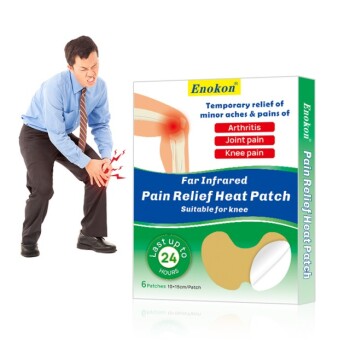
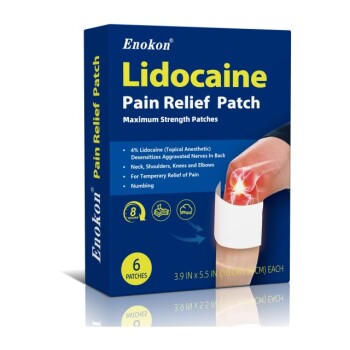
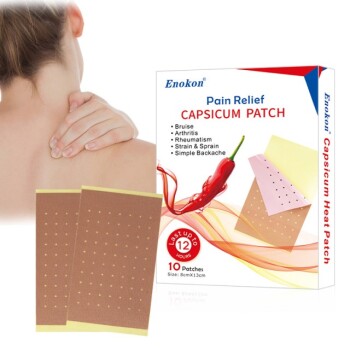
- Pain Relief: Lidocaine, Menthol, Capsicum, Herbal, and Far Infrared patches.
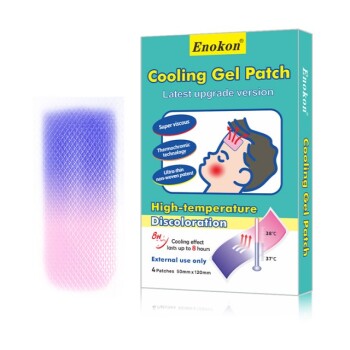
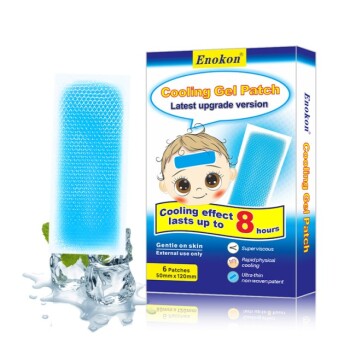
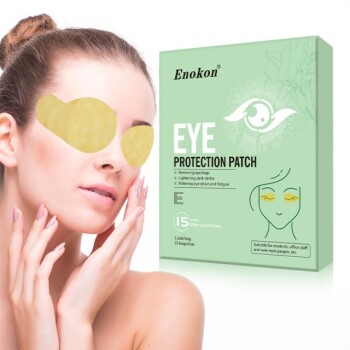
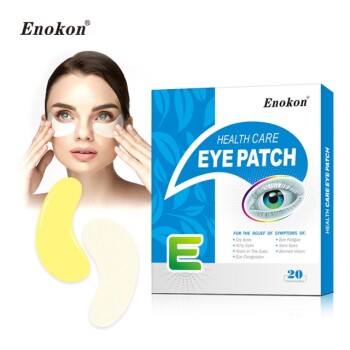
- Specialty Care: Eye Protection, Detox, and Medical Cooling Gel patches.
- Custom Solutions: Turnkey R&D and unique formulations tailored to your market.
(Please note: We specialize in high-quality transdermal drug delivery products and do not produce microneedle technology.)
Partner with Enokon to benefit from stringent quality control, reliable supply chains, and superior profit margins. Contact us today to discuss your custom formulation or wholesale needs!
References
- Kengo Ueda, Yu Nakamura. Efficacy, Safety, and Tolerability of Switching from Oral Cholinesterase Inhibitors to Rivastigmine Transdermal Patch with 1-Step Titration in Patients with Mild to Moderate Alzheimer’s Disease: A 24-Week, Open-Label, Multicenter Study in Japan. DOI: 10.1159/000501364
This article is also based on technical information from Enokon Knowledge Base .
Related Products
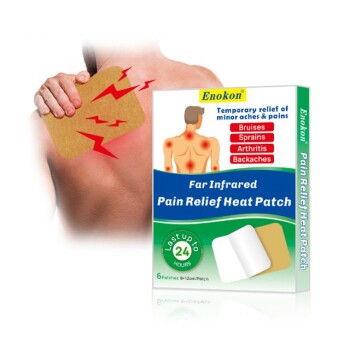
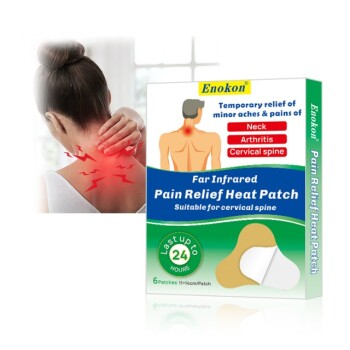
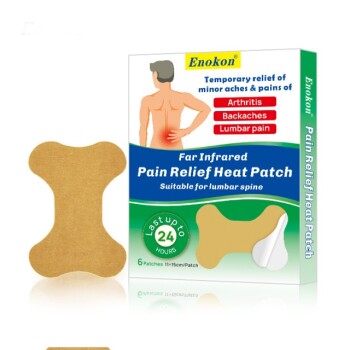
- Far Infrared Heat Pain Relief Patches Transdermal Patches
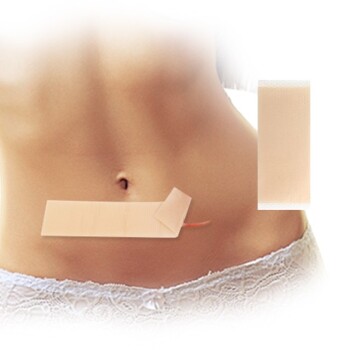
- Silicone Scar Sheets Patch Transdermal Drug Patch
- Icy Hot Menthol Medicine Pain Relief Patch
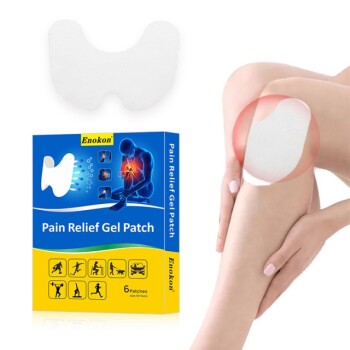
- Menthol Gel Pain Relief Patch
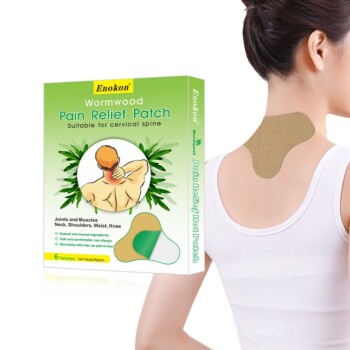
- Mugwort Wormwood Pain Relief Patch for Neck Pain
People Also Ask
- Why is the control of material particle size critical in the development of Far Infrared pain relief patches? Boost Efficacy
- Why is the selection of matrix materials critical when developing customized transdermal patches? Optimize Efficacy
- What are the physical impacts of external heat exposure on the performance and safety of transdermal patches? - Guide
- What are the clinical advantages of local transdermal delivery systems? Unlock Safer, More Effective Pain Relief Solutions
- What role does a skin tolerance scoring system play in the safety evaluation of transdermal patches? Key Safety Metrics