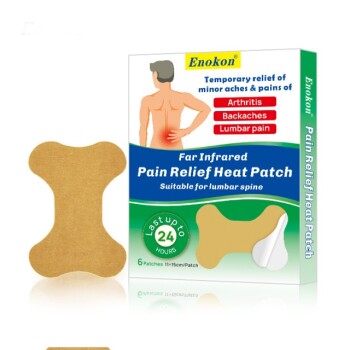
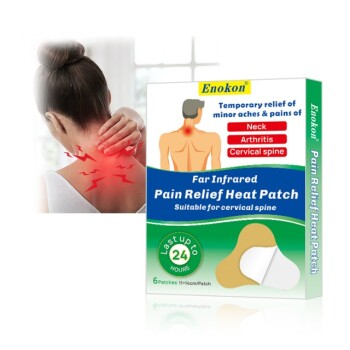
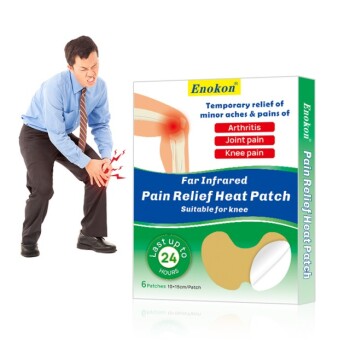
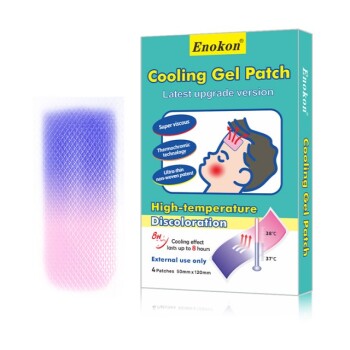
Methyl ethyl ketone (MEK) serves as a high-efficiency stripping agent used to isolate the adhesive matrix from the structural components of a transdermal patch. By completely dissolving the pressure-sensitive adhesive without compromising the integrity of the backing layer or rate-controlling membrane, MEK allows technicians to determine the net weight of the substrate. This measurement is essential for calculating the total adhesive weight and verifying that the drug reservoir meets precise formulation standards.
MEK enables the clean separation of adhesive materials from substrates, providing the data necessary to ensure uniform drug loading and mechanical stability. This rigorous testing protocol is a hallmark of pharmaceutical-grade manufacturing, ensuring that every unit produced at scale delivers a consistent therapeutic dose.
The Role of MEK in Precision Quality Control
Chemical Separation Without Substrate Damage
In a professional R&D environment, MEK is utilized because it can rapidly dissolve complex pressure-sensitive adhesives (PSA). Its chemical properties allow it to strip the adhesive matrix completely away from the backing material or the rate-controlling membrane.
Crucially, MEK performs this separation without causing structural degradation or weight loss in the substrate itself. This selectivity ensures that the weight of the "cleaned" substrate is accurate, which is the baseline for all subsequent calculations.
Calculating the Net Adhesive Weight
Once the adhesive is removed, the remaining substrate is weighed to determine its net weight. By subtracting this figure from the initial weight of the complete patch, manufacturers can pinpoint the exact total adhesive weight of the batch.
This data is not merely for record-keeping; it is used to calculate the cold flow percentage. Monitoring cold flow is vital for enterprise-level distributors to ensure that the adhesive does not migrate or "leak" beyond the patch borders during high-volume shipping and long-term storage.
Why Adhesive Weight is a Critical Performance Metric
Ensuring Uniform Drug Load and Release
For brand owners, the adhesive layer is more than just a fastener; it often functions as the primary drug reservoir. Precise control of the coating weight ensures that the drug content per unit area remains uniform across millions of units.
Consistency in adhesive weight guarantees that the medication is released at a constant rate over the intended duration, whether that is 6 hours or 7 days. This reliability maintains stable plasma concentrations in patients, which is a key requirement for GMP-certified clinical efficacy and safety.
Balancing Thickness and Tackiness
An optimized coating weight balances the physical thickness of the patch with its initial tack. If the adhesive layer is too thin, the patch may suffer from premature detachment, leading to inconsistent dosing and patient dissatisfaction.
Utilizing MEK to verify these weights allows for the fine-tuning of the manufacturing process. This ensures that the patch maintains long-term contact with the skin without leaving a messy residue upon removal, protecting the reputation of the partner brand.
Understanding the Trade-offs and Pitfalls
Material Compatibility and Solvent Safety
While MEK is a standard stripping agent, it is a volatile organic compound that requires stringent laboratory safety protocols. Facilities must be equipped with proper ventilation and fire suppression systems to handle high-volume testing safely.
Furthermore, technicians must verify that the specific backing material (such as PET or specialized films) is truly inert to MEK. In rare cases where a substrate is sensitive to the solvent, alternative analytical methods must be developed to prevent inaccurate weight readings.
The Necessity of High-Precision Equipment
Relying solely on chemical stripping is insufficient without quantitative mechanical data. Leading OEM partners supplement weight testing with Universal Testing Machines and probe tack testers to measure peel strength and instantaneous bonding.
These automated tests eliminate human error and provide a comprehensive profile of the patch’s performance. Relying only on adhesive weight without verifying the mechanical adhesion properties can lead to products that meet weight specs but fail to adhere properly in real-world conditions.
Applying This Precision to Your Project
Making the Right Choice for Your Goal
Success in the transdermal market requires a balance of chemical accuracy and manufacturing scale to ensure every patch performs exactly as designed.
- If your primary focus is brand reputation and safety: Prioritize partners who provide detailed Certificate of Analysis (CoA) data, including precise adhesive weight and drug loading uniformity.
- If your primary focus is global distribution and shelf-life: Ensure your manufacturer conducts rigorous cold flow testing via MEK stripping to prevent adhesive migration during international transit.
- If your primary focus is rapid market entry for custom formulations: Seek an R&D partner with turnkey stripping and testing capabilities to accelerate the validation of new adhesive matrices.
Rigorous analytical testing using MEK ensures that your transdermal product meets the highest standards of pharmaceutical integrity and consumer reliability.
Summary Table:
| Feature | Role of MEK in Testing | Benefit to Quality Control |
|---|---|---|
| Adhesive Separation | Dissolves PSA without damaging the substrate | Allows for accurate net weight measurement |
| Drug Load Verification | Ensures coating weight meets formulations | Guarantees consistent therapeutic dosing |
| Stability Monitoring | Facilitates cold flow percentage calculation | Prevents adhesive migration during shipping |
| Substrate Integrity | High selectivity for adhesives vs. films | Maintains baseline accuracy for R&D data |
Scale Your Brand with Precision-Engineered Transdermal Solutions
Ensure market success with Enokon’s pharmaceutical-grade manufacturing and R&D prowess. As a trusted OEM/ODM partner for global brands, we offer massive production capacity and GMP-certified facilities to deliver high-volume, high-quality transdermal products.
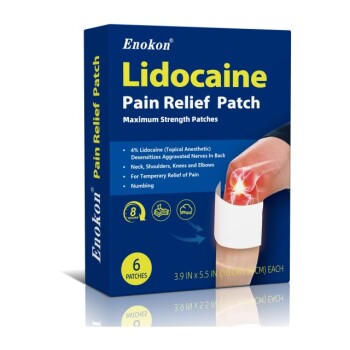
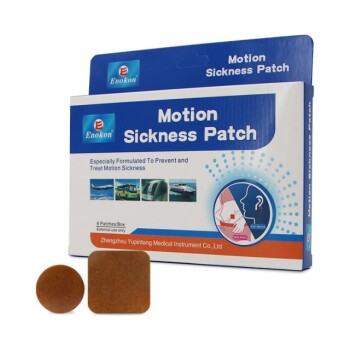
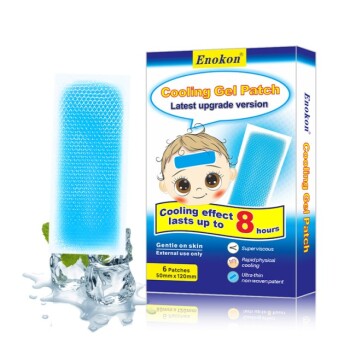
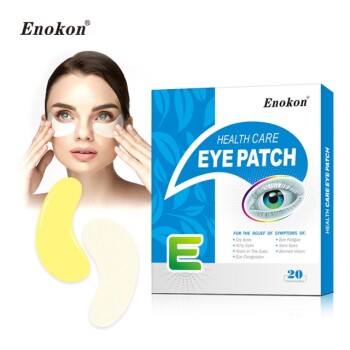
From Lidocaine, Menthol, and Capsicum pain relief patches to specialized Eye Protection, Detox, and Medical Cooling Gel patches, we provide turnkey contract R&D and custom formulations tailored to your needs (excluding microneedle technology).
Ready to enhance your product reliability and profit margins?
Contact our expert team today to start your project.
References
- Anna M. Wokovich, Lucinda F. Buhse. Cold flow measurement of transdermal drug delivery systems (TDDS). DOI: 10.1016/j.ijadhadh.2015.02.002
This article is also based on technical information from Enokon Knowledge Base .
Related Products
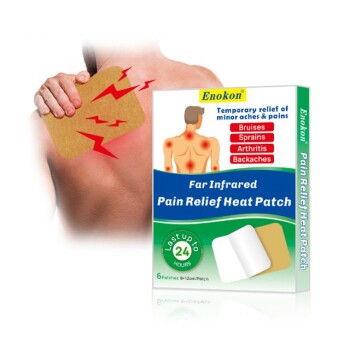
- Far Infrared Heat Pain Relief Patches Transdermal Patches
- Icy Hot Menthol Medicine Pain Relief Patch
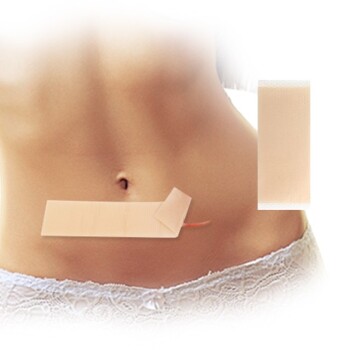
- Silicone Scar Sheets Patch Transdermal Drug Patch
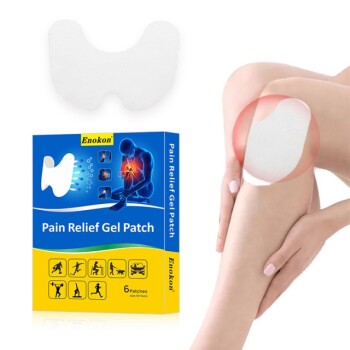
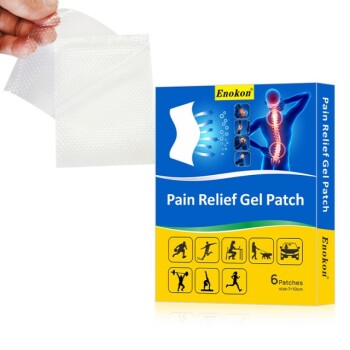
- Menthol Gel Pain Relief Patch
- Mugwort Wormwood Pain Relief Patch for Neck Pain
People Also Ask
- Why is the control of material particle size critical in the development of Far Infrared pain relief patches? Boost Efficacy
- Why is the selection of matrix materials critical when developing customized transdermal patches? Optimize Efficacy
- What are the physical impacts of external heat exposure on the performance and safety of transdermal patches? - Guide
- What are the clinical advantages of local transdermal delivery systems? Unlock Safer, More Effective Pain Relief Solutions
- What role does a skin tolerance scoring system play in the safety evaluation of transdermal patches? Key Safety Metrics