Polyethylene Glycol 400 (PEG 400) is added to the receptor liquid primarily to serve as a co-solvent that maintains "sink conditions" during transdermal testing. For highly hydrophobic drugs like Nimesulide, which have poor solubility in standard aqueous buffers, PEG 400 increases the liquid's capacity to dissolve the drug as it permeates the skin. This prevents the drug concentration in the receptor liquid from reaching a saturation point that would artificially inhibit further penetration, ensuring the resulting data is a true reflection of the formulation's efficacy.
The use of PEG 400 in receptor liquids is a vital R&D protocol designed to ensure that the solubility of active ingredients does not become a bottleneck during testing. By maintaining a constant concentration gradient, large-scale manufacturers can provide brand owners with the precise, validated data required for global regulatory compliance.
The Role of Sink Conditions in Transdermal R&D
Maintaining Solubility for Accurate Data
Hydrophobic drugs like Nimesulide possess extremely low solubility in standard saline or buffer solutions used in laboratory settings.
PEG 400 acts as a high-efficiency co-solvent, significantly increasing the receptor liquid's ability to hold the drug in a dissolved state.
This is a critical step for capturing the full kinetic profile of a drug, allowing R&D teams to measure the maximum potential penetration rate without technical interference.
Preventing Concentration Back-Pressure
In a closed testing environment, if the drug concentration in the receptor liquid rises too high, it creates a "back-pressure" effect that slows down the diffusion process.
By ensuring the drug remains highly soluble, PEG 400 maintains the concentration gradient necessary for the drug to move from the transdermal delivery system into the liquid.
This simulates a "sink," mimicking the way human blood flow removes a drug from the application site in a living subject, which is essential for realistic data.
Validating Formulation Efficacy for Global Brands
Precision in Turnkey Contract R&D
For brand owners and B2B partners, the accuracy of these laboratory experiments determines the success of a product's market claims and regulatory filings.
Utilizing PEG 400 in standardized R&D protocols demonstrates a sophisticated understanding of molecular dynamics and high-tier pharmaceutical testing.
This level of precision allows for the development of custom, high-performance formulations that can withstand the scrutiny of international health authorities.
Ensuring Reliable High-Volume Delivery
Large-scale, GMP-certified facilities rely on these validated testing methods to ensure every production batch meets the same rigorous standards.
Rigorous verification of penetration rates is a hallmark of a trusted OEM/ODM partner, providing wholesalers with the assurance of product consistency.
This scientific rigour translates directly into consumer trust and reduced risk for distributors managing high-volume inventories.
Understanding Technical Trade-offs
Balancing Solvent Concentration
While PEG 400 is necessary for solubility, excessive concentrations can occasionally alter the physical integrity of the skin membrane used in the study.
Expert R&D engineers must calibrate the optimal ratio of PEG 400 to balance drug solubility against the need to maintain physiological relevance.
Miscalculating this balance can lead to "over-solubilization," which might produce data that does not accurately translate to real-world human application.
Cost and Supply Chain Considerations
Incorporating high-purity PEG 400 into testing and formulation processes requires a partner with a robust, integrated supply chain.
While it adds a layer of complexity to the R&D phase, the investment is offset by the reduction in failed trials and the speed-to-market for complex hydrophobic products.
Making the Right Choice for Your Product Goal
Successful transdermal product development requires a balance of scientific precision and manufacturing scale.
- If your primary focus is Regulatory Approval: Ensure your R&D partner utilizes PEG 400 to maintain sink conditions, providing the "clean" data required by health authorities.
- If your primary focus is Product Efficacy: Look for formulations where PEG 400 is also leveraged as a penetration enhancer to modify lipid arrangements in the skin for better drug delivery.
- If your primary focus is Market Stability: Choose a manufacturer that uses PEG 400 as a plasticizer in the final patch to prevent brittleness and ensure structural integrity during storage.
By mastering the molecular behavior of ingredients like PEG 400, manufacturers can deliver the high-performance, compliant transdermal solutions that global brands demand.
Summary Table:
| Key Feature | Role of PEG 400 in R&D | Strategic Benefit for Brands |
|---|---|---|
| Solubility Enhancement | Acts as a high-efficiency co-solvent | Maintains "sink conditions" for hydrophobic drugs like Nimesulide |
| Kinetic Accuracy | Prevents concentration back-pressure | Ensures testing data reflects true skin penetration efficacy |
| Regulatory Readiness | Standardized testing protocol | Provides precise, validated data required for global compliance |
| Quality Assurance | Validates formulation stability | Guarantees product consistency across high-volume production batches |
Partner with Enokon for Expert Transdermal R&D and Manufacturing
Scale your brand with Enokon, a trusted manufacturer offering professional wholesale and custom OEM/ODM solutions. We specialize in high-performance transdermal patches, combining massive production capacity with GMP-certified R&D prowess to ensure your products meet the highest global standards.
Our comprehensive product range includes:
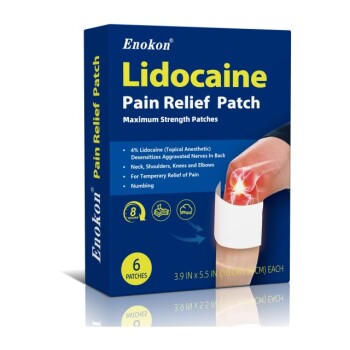
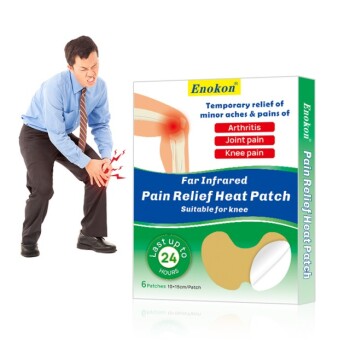
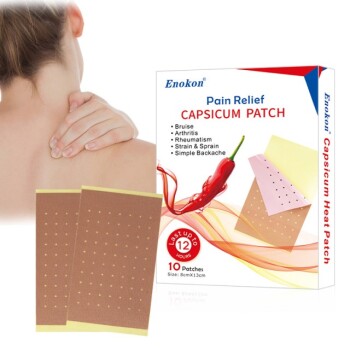
- Pain Relief: Lidocaine, Menthol, Capsicum, Herbal, and Far Infrared patches.
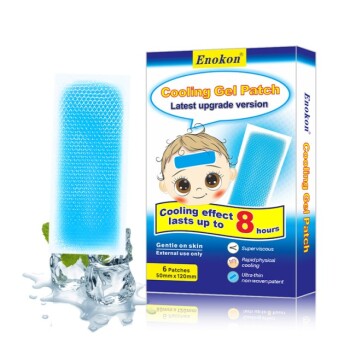
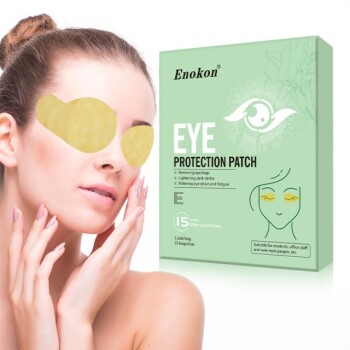
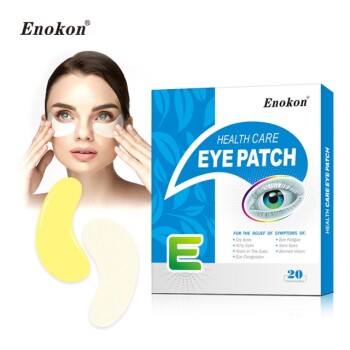
- Specialty Care: Eye Protection, Detox, and Medical Cooling Gel patches.
From turnkey contract R&D and custom formulations to stringent quality control and reliable high-volume delivery, we provide the technical expertise you need to succeed in the B2B market (note: we do not offer microneedle technology).
Ready to optimize your product line? Contact our team today to discuss your project requirements.
References
- Mohamed M. Badran. Effect of terpene liposomes on the transdermal delivery of hydrophobic model drug, nimesulide: Characterization, stability and in vitro skin permeation. DOI: 10.5897/ajpp12.552
This article is also based on technical information from Enokon Knowledge Base .
Related Products
- Far Infrared Heat Pain Relief Patches Transdermal Patches
- Silicone Scar Sheets Patch Transdermal Drug Patch
- Icy Hot Menthol Medicine Pain Relief Patch
- Menthol Gel Pain Relief Patch
- Mugwort Wormwood Pain Relief Patch for Neck Pain
People Also Ask
- Why is the control of material particle size critical in the development of Far Infrared pain relief patches? Boost Efficacy
- Why is the selection of matrix materials critical when developing customized transdermal patches? Optimize Efficacy
- What are the physical impacts of external heat exposure on the performance and safety of transdermal patches? - Guide
- What are the clinical advantages of local transdermal delivery systems? Unlock Safer, More Effective Pain Relief Solutions
- What role does a skin tolerance scoring system play in the safety evaluation of transdermal patches? Key Safety Metrics