Precise pH adjustment is the cornerstone of maximizing the bioavailability and safety of Sodium Risedronate transdermal formulations. By meticulously controlling the pH environment, typically to a range near 7.4, manufacturers optimize the drug's ionization state and partition coefficient. This precise calibration ensures the highest possible permeation flux through the skin barrier while maintaining the physical stability of the delivery vehicle.
To achieve a commercially viable transdermal product, pH must be balanced to transition the drug into its most permeable state without compromising skin biocompatibility. This technical precision is what separates high-efficacy pharmaceutical-grade gels from unstable, irritant-prone formulations.
The Science of Permeation Efficiency
Controlling Ionization for Maximum Absorption
Sodium Risedronate contains phosphate groups whose ionization degree is highly sensitive to the surrounding pH level. Because the skin’s stratum corneum is lipophilic, non-ionized molecules generally penetrate more effectively than their ionized counterparts.
Optimizing the Partition Coefficient
By adjusting the pH using agents like sodium hydroxide or hydrochloric acid, R&D teams can find the "sweet spot" where solubility and partition coefficients are perfectly balanced. At an optimal pH (such as 7.4), the drug reaches its peak permeation flux, utilizing the concentration gradient to drive efficient diffusion into the bloodstream.
Defining the Permeation Pathway
Precise pH control allows researchers to clarify whether the drug moves more effectively via molecular or ionic states. This data is critical for optimizing transdermal patch designs and ensuring consistent dosing across different patient skin types.
Ensuring Structural Integrity and Scalability
Maintaining Gel Matrix Consistency
For many transdermal systems, the formation of the gel structure (often using Carbopol-based systems) depends on a neutralization reaction. Maintaining a specific pH ensures the gel reaches its optimal viscosity, transparency, and physical integrity for long-term storage.
Enterprise-Level Quality Control
At a manufacturing scale, using high-sensitivity digital pH meters is mandatory to ensure batch-to-batch consistency. For B2B partners, this level of precision guarantees that every unit produced in a GMP-certified facility meets the exact specifications required for global regulatory approval.
Biocompatibility and Patient Compliance
Human skin typically sits between pH 4.5 and 6.5, so formulation pH must be carefully managed to avoid skin irritation, redness, or allergies. Precise adjustment to a physiologically compatible range (5.0 to 7.6) ensures the product is safe for long-term daily application, which is vital for brand reputation.
Understanding the Trade-offs
The Solubility-Permeability Paradox
Increasing the pH may improve the solubility of Sodium Risedronate in the gel, but it could simultaneously increase the drug's ionization, which inhibits skin penetration. Technical experts must navigate this trade-off to ensure the drug stays in solution without losing its ability to cross the skin barrier.
Stability vs. Physiological Comfort
While a specific pH might maximize drug stability over a two-year shelf life, that same pH might be slightly outside the ideal range for skin comfort. Balancing these competing needs requires sophisticated R&D and deep expertise in pharmaceutical chemistry to prevent the risk of product recalls or consumer complaints.
How to Apply This to Your Project
Making the Right Choice for Your Goal
- If your primary focus is Maximum Bioavailability: You must partner with a manufacturer capable of conducting rigorous pH-dependent penetration studies to identify the exact point of peak drug flux.
- If your primary focus is Rapid Market Entry: Prioritize GMP-certified partners who use high-precision monitoring to ensure formulation stability and skin biocompatibility from the first pilot batch.
- If your primary focus is Brand Longevity: Ensure your production partner utilizes high-sensitivity digital pH meters and stringent QC protocols to avoid the irritation issues that plague lower-tier formulations.
Successful transdermal delivery is a product of chemical precision and manufacturing excellence, ensuring a potent drug becomes a safe, effective, and market-leading therapy.
Summary Table:
| Key Factor | Target Specification | Impact on Formulation |
|---|---|---|
| Optimal pH Range | 5.0 – 7.6 (Target 7.4) | Balances drug permeation with skin biocompatibility |
| Ionization State | Controlled Non-ionized | Maximizes absorption through the lipophilic stratum corneum |
| Matrix Stability | Neutralized Gel Structure | Ensures consistent viscosity, transparency, and shelf-life |
| Quality Control | Digital pH Monitoring | Guarantees batch-to-batch uniformity in GMP facilities |
Scale Your Transdermal Innovation with Enokon
Partner with Enokon, a trusted manufacturer and R&D leader specializing in high-performance transdermal drug delivery systems. We provide brand owners and wholesalers with turnkey contract R&D and massive production capacity in our GMP-certified facilities.
Why Choose Enokon?
- Custom Formulations: Expertise in optimizing pH for maximum bioavailability in Sodium Risedronate and other complex delivery systems.
- Comprehensive Range: Leading producer of Lidocaine, Menthol, Capsicum, and Herbal pain relief patches, plus medical cooling gels and eye protection (excluding microneedle technology).
- B2B Reliability: Stringent quality control and global certifications ensure high-volume delivery and healthy profit margins for our distributors.
Ready to elevate your product line with pharmaceutical-grade precision?
Contact Our R&D Team Today
References
- So Hee Nam. Transdermal delivery of risedronate using chemical enhancers for improved skin penetration. DOI: 10.69857/joapr.v13i4.1013
This article is also based on technical information from Enokon Knowledge Base .
Related Products
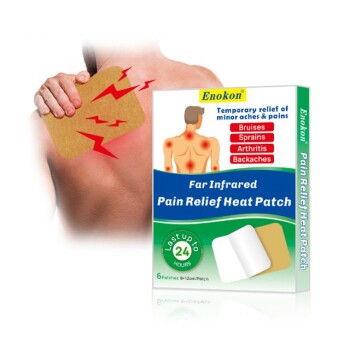
- Far Infrared Heat Pain Relief Patches Transdermal Patches
- Icy Hot Menthol Medicine Pain Relief Patch
- Menthol Gel Pain Relief Patch
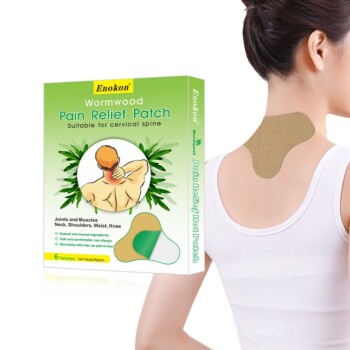
- Mugwort Wormwood Pain Relief Patch for Neck Pain
- Silicone Scar Sheets Patch Transdermal Drug Patch
People Also Ask
- Why is the control of material particle size critical in the development of Far Infrared pain relief patches? Boost Efficacy
- Why is the selection of matrix materials critical when developing customized transdermal patches? Optimize Efficacy
- What are the physical impacts of external heat exposure on the performance and safety of transdermal patches? - Guide
- What are the clinical advantages of local transdermal delivery systems? Unlock Safer, More Effective Pain Relief Solutions
- What role does a skin tolerance scoring system play in the safety evaluation of transdermal patches? Key Safety Metrics