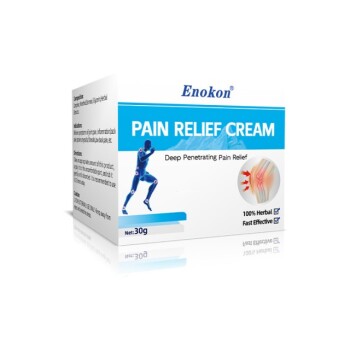
The measurement of rheological properties is the scientific benchmark for ensuring the stability, clinical efficacy, and consumer satisfaction of transdermal gel formulations. By quantifying internal friction and flow behavior, manufacturers can guarantee that the polymer scaffold—often composed of materials like Carbopol or HPMC—reaches the precise consistency required for both long-term storage and effective skin application.
Core Takeaway: Rheological characterization is the bridge between lab-scale R&D and mass-market success, ensuring that every batch produced in a GMP-certified facility maintains the exact mechanical integrity needed for reliable drug delivery and superior user experience.
Optimizing the Formulation Framework
Maintaining Structural Integrity and Stability
The polymer matrix of a transdermal gel must remain stable throughout its shelf life to prevent phase separation or degradation. Rheological testing evaluates the strength of the gel scaffold, ensuring it can withstand environmental stresses during transport and storage without losing its functional form.
Precision in Drug Diffusion Rates
The viscosity of a gel directly dictates the diffusion rate of active pharmaceutical ingredients (APIs) from the matrix into the skin. By maintaining a specific dynamic viscosity, R&D teams ensure a steady, predictable release of the medication, which is critical for meeting clinical dosage requirements.
Assessing Viscoelasticity for Skin Conformity
Using dynamic mechanical analysis, technicians measure the storage modulus (G') and loss modulus (G'') to understand a gel's viscoelasticity. This data ensures the product can conform to skin contours and withstand the stresses of daily movement without rupturing or losing contact with the application site.
Engineering the Professional User Experience
Achieving Ideal Spreadability and Adhesion
A high-quality transdermal gel must exhibit shear-thinning behavior, allowing it to flow easily when rubbed onto the skin but regain its structure immediately afterward. This ensures uniform distribution and prevents "runoff," allowing the gel to form a consistent film that adheres firmly to the target area.
Sensory Experience and Consumer Perception
The "feel" of a product is a primary driver of brand loyalty in the B2B and retail sectors. Thixotropic characterization provides an objective measurement of "smoothness," helping brand owners deliver a premium sensory experience that reflects the sophisticated R&D behind the formulation.
Scalability in High-Volume Manufacturing
For large-scale production, rheological data is essential for optimizing extrudability and filling processes. Consistent viscosity measurements ensure that gels move through automated high-speed packaging lines without clogging equipment or causing weight variations in the final units.
Understanding the Trade-offs
Balancing Viscosity and Permeability
Increasing the viscosity of a gel can improve its residence time on the skin, but excessively high internal friction can hinder the molecular mobility of the drug. Formulators must find the "sweet spot" where the gel is thick enough to stay in place but fluid enough to allow the API to migrate efficiently to the skin interface.
Stability vs. Ease of Application
A highly cross-linked gel framework offers superior mechanical stability and resistance to temperature fluctuations. However, if the yield stress is too high, the product becomes difficult for the end-user to squeeze from the tube or spread evenly, potentially leading to inaccurate dosing.
Leveraging Rheology for Global Brand Success
How to Apply This to Your Project
Selecting the right manufacturing partner involves verifying their ability to perform complex rheological assessments to ensure product longevity and performance.
- If your primary focus is rapid market entry: Prioritize formulations with proven shear-thinning profiles that utilize standard polymer scaffolds for predictable stability and fast-tracked GMP production.
- If your primary focus is premium clinical positioning: Invest in detailed viscoelastic characterization (G' and G'') to optimize the drug delivery curve and ensure superior skin adhesion for long-wear applications.
- If your primary focus is supply chain reliability: Ensure your manufacturing partner uses rotational viscometers and rheometers as core quality control tools to guarantee batch-to-batch consistency across massive production volumes.
Precise rheological control is the definitive standard for transforming a complex chemical formulation into a reliable, market-ready transdermal solution.
Summary Table:
| Rheological Property | Key Benefit to Formulation | Impact on Manufacturing & Consumer |
|---|---|---|
| Viscosity | Controls API diffusion and release rates | Ensures consistent dosage and prevents leakage |
| Shear-Thinning | Allows easy flow under pressure | Enhances spreadability and professional sensory feel |
| Viscoelasticity | Measures structural strength (G' & G'') | Improves skin conformity and adhesion during movement |
| Yield Stress | Maintains physical stability in storage | Prevents phase separation and ensures easy dispensing |
| Thixotropy | Recovery of structure after application | Facilitates high-speed automated packaging and filling |
Scale Your Global Brand with Enokon’s Manufacturing Excellence
As a trusted manufacturer and R&D leader, Enokon specializes in high-volume, GMP-certified production of transdermal solutions tailored for brand owners, distributors, and wholesalers. We leverage advanced rheological characterization to ensure every batch of your custom formulation delivers superior stability and clinical performance.
Why Partner with Enokon?
- Turnkey OEM/ODM Solutions: From custom R&D to massive production capacity.
- Diverse Product Range: Expert manufacturing of Lidocaine, Menthol, Capsicum, Herbal, and Medical Cooling patches/gels (excluding microneedle technology).
- Reliable Supply Chain: Stringent quality control and global certifications to protect your profit margins.
Ready to elevate your product line with precision-engineered transdermal gels?
Contact Our R&D Team for a Consultation
References
- Shanta Agwane, Dhamankar. FORMULATION AND EVALUATION OF TOPICAL MICROEMULGEL CONTAINING TERBINAFINE HYDROCHLORIDE. DOI: 10.31032/ijbpas/2021/10.12.2019
This article is also based on technical information from Enokon Knowledge Base .
Related Products
- Menthol Gel Pain Relief Patch
- Icy Hot Menthol Medicine Pain Relief Patch
- Far Infrared Heat Pain Relief Patches Transdermal Patches
- Silicone Scar Sheets Patch Transdermal Drug Patch
- Mugwort Wormwood Pain Relief Patch for Neck Pain
People Also Ask
- How effective are pain relief patches for muscle pain? Target Localized Pain with Transdermal Delivery
- How do pain relief patches compare to other pain relief methods? Discover Targeted, Long-Lasting Relief
- Who should consult a healthcare professional before using pain relief patches? Ensure Your Safety with Medical Advice
- What are the potential side effects of pain relief patches? A Guide to Safe Use & Key Risks
- How do drug loading and permeation enhancers ensure patch efficacy? Achieve Superior Clinical-Grade Pain Relief.