The Psychological Weight of a Simple Irritation
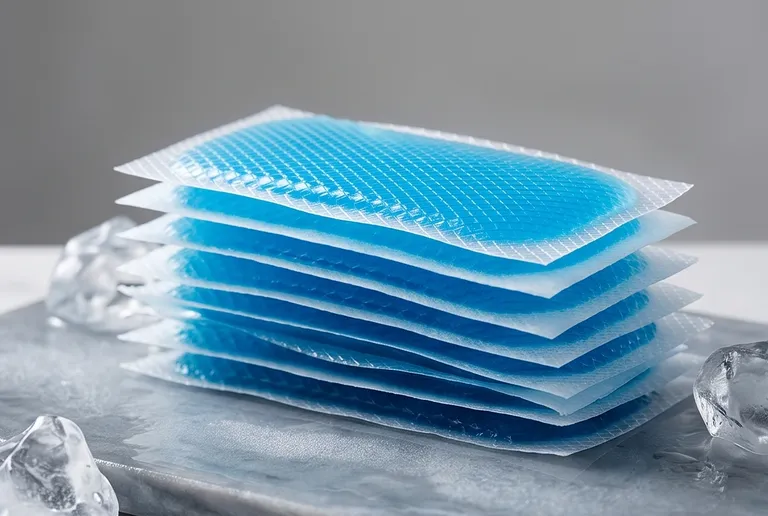
Imagine a patient with chronic knee osteoarthritis. A transdermal patch offers targeted, sustained relief, a seemingly perfect solution. The pain subsides, but a new problem arises: an incessant itch and a patch of red, irritated skin where the patch was.
This isn't a minor inconvenience. It's a psychological dilemma. The patient is now forced to weigh the benefit of pain relief against the discomfort of the treatment itself. When the cure causes its own form of distress, patient adherence plummets. The most brilliant therapeutic molecule is rendered useless if the patient won't wear it.
This is the interface problem: the critical junction where a medical device meets the human body.
The Skin: More Than a Surface
We often think of skin as a simple barrier, a canvas for applying topical treatments. But from an engineering perspective, it is a dynamic, incredibly complex, and reactive system. Understanding why irritation occurs is the first step toward preventing it.
The challenge is multi-faceted, extending beyond the active pharmaceutical ingredient (API) itself.
The Double-Edged Sword of Adhesion
A transdermal patch must adhere securely, often for 12 to 24 hours, to ensure consistent drug delivery. However, the very adhesives that provide this tenacity can become antagonists.
- Occlusion: They trap moisture and heat, creating an environment ripe for irritation.
- Mechanical Stress: As the body moves, a rigid patch pulls and stretches the skin, causing microscopic tears and stress.
- Chemical Interaction: The adhesive chemistry itself can be a source of sensitivity for many users.
Formulation Meets Epidermis
Beyond the adhesive, the entire formulation—the cocktail of solvents, penetration enhancers, and stabilizers designed to ferry the NSAID through the skin barrier—is in direct dialogue with the epidermis.
For individuals with sensitive skin, this chemical dialogue can quickly escalate into an inflammatory argument, manifesting as redness, itching, or contact dermatitis.
Engineering a Better Interface: From Efficacy to Biocompatibility
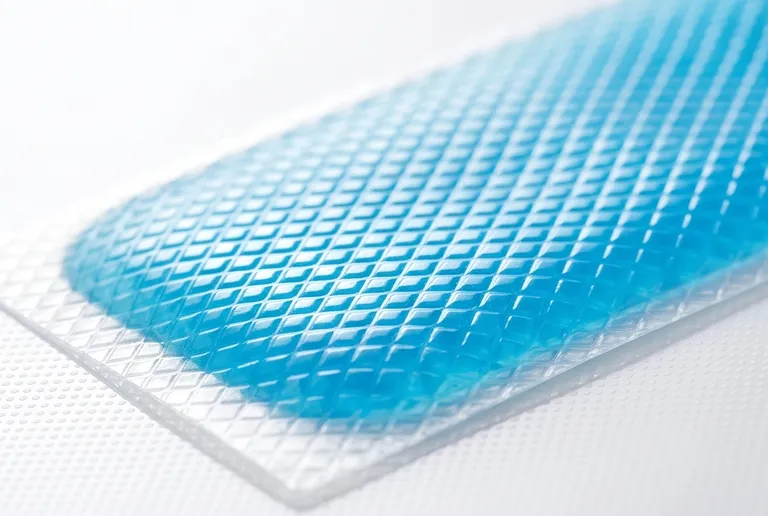
Solving the interface problem requires a shift in philosophy. The goal is not merely to create an effective drug delivery system, but a biocompatible one. It's about designing a patch that the skin willingly accepts.
This is where meticulous engineering and material science become paramount. For healthcare brands and distributors, mastering this is the difference between a tolerated product and a beloved one. At Enokon, we focus our R&D on three core pillars:
- Advanced Material Science: Utilizing hypoallergenic, medical-grade adhesives and breathable backing materials that move with the body, minimizing mechanical stress and occlusion.
- Sophisticated Formulation Chemistry: Developing formulations that are precisely pH-balanced to match the skin. We carefully select non-sensitizing excipients that enhance drug delivery without provoking an immune response.
- Thoughtful Structural Design: Engineering patches with optimized flexibility, shape, and moisture vapor transmission rates (MVTR) to ensure they feel like a second skin, not a foreign object.
This level of specialization in custom R&D is what allows brands to offer products that build trust and ensure long-term patient compliance.
A Systematic Approach to Patient Success
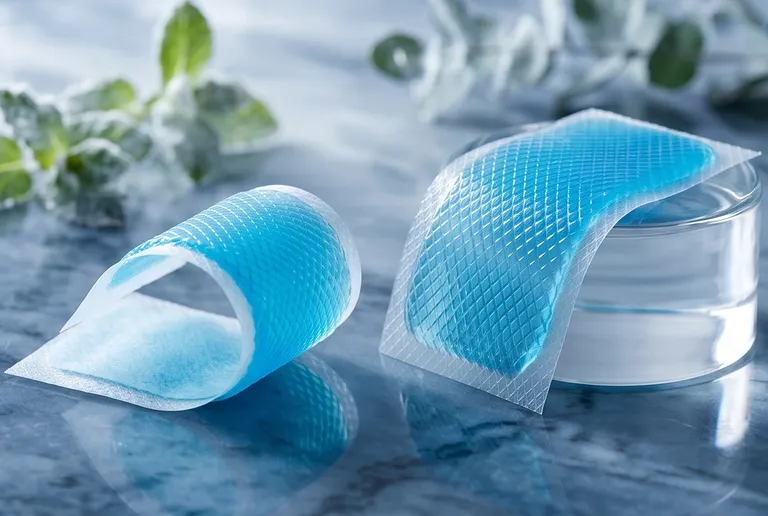
While a well-engineered patch is the foundation, educating the end-user is critical for success. Brands can empower patients by providing clear guidance on application and monitoring.
| Best Practice | Why It Matters |
|---|---|
| Site Selection & Rotation | Applying to clean, dry, intact skin and rotating sites prevents cumulative irritation on one area. |
| Patch Testing | For users with known sensitivities, testing on a small area first builds confidence and safety. |
| Proper Application | Ensuring the patch is smooth, without wrinkles, maximizes contact and minimizes friction. |
| Informed Monitoring | Teaching users to distinguish between mild, temporary redness and a persistent reaction. |
The Future of Topical Relief is Gentle
Ultimately, the effectiveness of a transdermal therapy is measured not just in reduced pain scores, but in a patient's willingness to use it consistently. That adherence is built on a foundation of trust—trust that the treatment will help without causing harm.
The true frontier of innovation in this space lies not only in discovering new molecules but in perfecting the delivery systems that carry them. It's an act of engineering empathy. To explore how advanced material science and custom R&D can solve the interface problem for your product line, Contact Our Experts.
Related Products
- Far Infrared Heat Pain Relief Patches Transdermal Patches
- Silicone Scar Sheets Patch Transdermal Drug Patch
- Icy Hot Menthol Medicine Pain Relief Patch
- Menthol Gel Pain Relief Patch
- Mugwort Wormwood Pain Relief Patch for Neck Pain
Related Articles
- Engineering Certainty: The Invisible Architecture of a Gold-Standard Clinical Trial
- The Silent Workhorse: How Transdermal Patches Rewrote the Rules of Pain Management
- Beyond the Pill: The Silent Engineering of Safer Pain Relief
- Beyond Efficacy: The Psychology of Adherence in Topical Pain Relief
- Beyond the Molecule: The Behavioral Science of the Simple Pain Patch



















