While the references do not provide extensive additional notes about the lidocaine patch 5 percent, they emphasize the importance of professional medical guidance, safety considerations, and proper usage. Key takeaways include its typical use for localized pain relief, potential mild side effects like skin irritation, and the need to consult a healthcare provider for personalized advice, especially in special populations or when combining with other medications. The information is supplemental and should not replace professional judgment.
Key Points Explained:
-
Primary Use and Composition
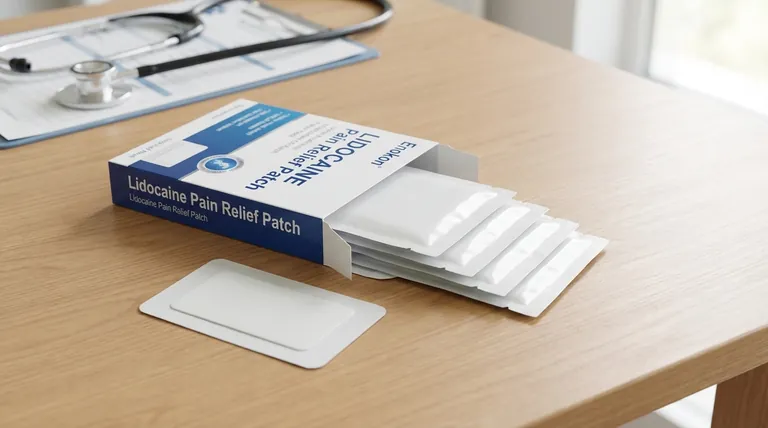
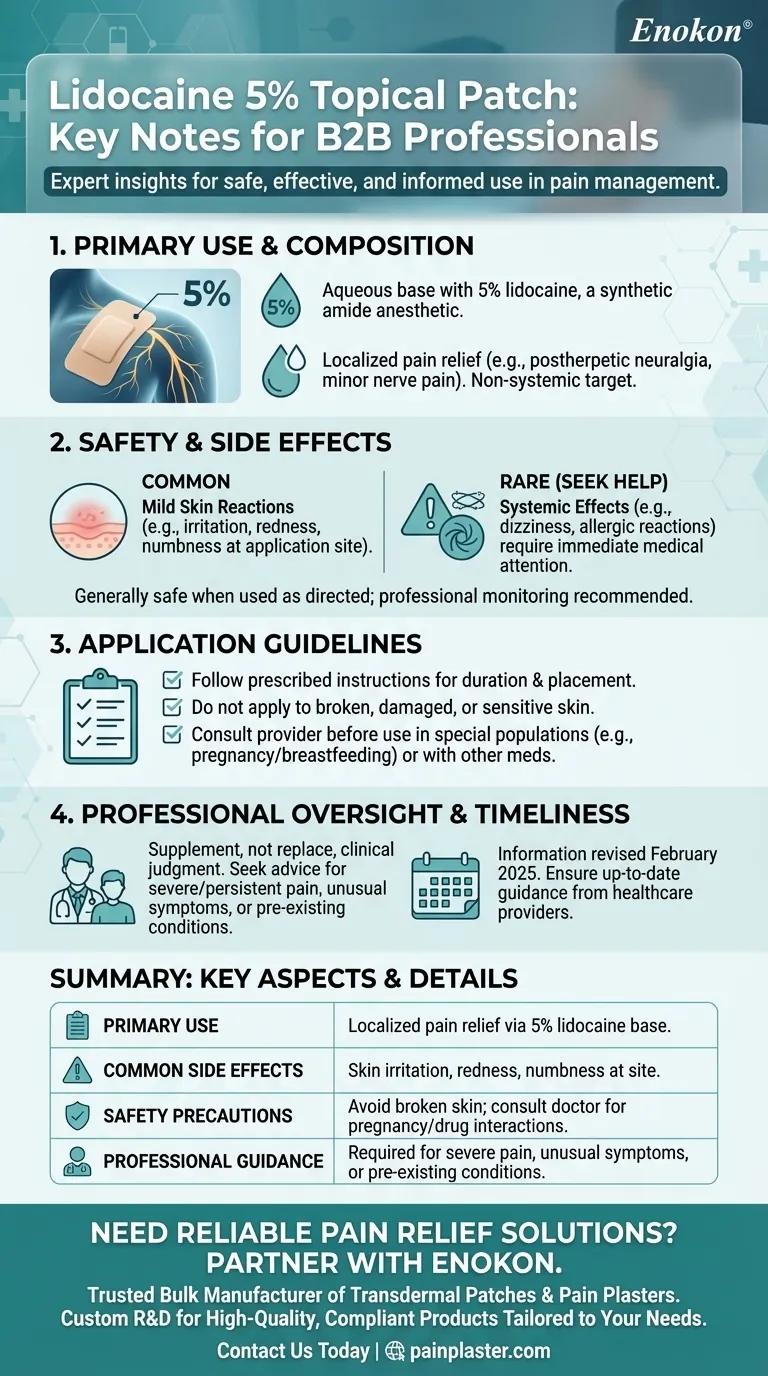
- The patch contains a 5% aqueous base solution of lidocaine, a synthetic amide-type anesthetic, designed for localized pain relief.
- While exact uses aren’t detailed, it’s commonly applied for conditions like postherpetic neuralgia or minor nerve pain.
-
Safety and Side Effects
- Generally safe but may cause mild skin reactions (e.g., redness, irritation, or numbness at the application site).
- Rare systemic effects (e.g., dizziness or allergic reactions) warrant immediate medical attention.
-
Application Guidelines
- Follow prescribed usage instructions (e.g., duration, placement) to minimize risks.
- Avoid applying to broken skin or sensitive areas unless directed by a healthcare provider.
-
Special Considerations
- Pregnancy/Breastfeeding: Consult a doctor before use due to limited safety data.
- Drug Interactions: No specific interactions listed, but combining with other medications (e.g., antiarrhythmics) may require monitoring.
-
Professional Oversight
- The patch’s information supplements—not replaces—clinical judgment. Always seek professional advice for:
- Severe or persistent pain.
- Unusual symptoms post-application.
- Pre-existing medical conditions.
- The patch’s information supplements—not replaces—clinical judgment. Always seek professional advice for:
-
Timeliness of Information
- The data was last revised in February 2025, ensuring relevance but underscoring the need for up-to-date guidance from providers.
For daily life, this patch exemplifies how localized therapies offer targeted relief, but its safe integration into care hinges on collaboration with healthcare professionals. Have you considered how such patches might fit into broader pain management plans?
Summary Table:
| Key Aspect | Details |
|---|---|
| Primary Use | Localized pain relief (e.g., postherpetic neuralgia) via 5% lidocaine base. |
| Common Side Effects | Skin irritation, redness, or numbness at application site. |
| Safety Precautions | Avoid broken skin; consult a doctor for pregnancy/drug interactions. |
| Professional Guidance | Required for severe pain, unusual symptoms, or pre-existing conditions. |
Need reliable pain relief solutions? Partner with Enokon, a trusted bulk manufacturer of transdermal patches and pain plasters. Our expertise in custom R&D ensures high-quality, compliant products tailored to your needs. Contact us today to discuss how we can support your healthcare or pharmaceutical brand!
Visual Guide
Related Products
- Lidocaine Hydrogel Pain Relief Patch for Pain Relief
- Menthol Gel Pain Relief Patch
- Icy Hot Menthol Medicine Pain Relief Patch
- Capsaicin Chili Medicated Pain Relief Patches
- Herbal Medicated Anti Diarrhea Patch for Digestive Relief
People Also Ask
- How does the aqueous base in a lidocaine patch contribute to drug delivery? Unlocking Sustained Pain Relief Technology
- What are the advantages of topical anesthetics over invasive Lidocaine infiltration? Discover Safer, Scalable Relief
- Which pain patch is most effective for arthritis? Find the Best Relief for Your Joint Pain
- How should lidocaine patches be applied for optimal use? Maximize Pain Relief with Proper Application
- Why are lidocaine patches preferred over oral medications? Targeted Relief & Scale Your Brand with OEM R&D Solutions