
Yes, there are several critical precautions for using any essential oil patch to ensure safety and effectiveness. The most important rules are to never apply a patch to broken or irritated skin, avoid exposing the patch area to any source of heat, and always wash your hands thoroughly after handling it to prevent accidental contact with your eyes or mouth.
The core principle to understand is that a patch is a transdermal delivery system, not just a sticker. Its ingredients are absorbed through your skin and into your bloodstream, which is why precautions related to application, heat, and medical history are not just suggestions—they are essential for your safety.
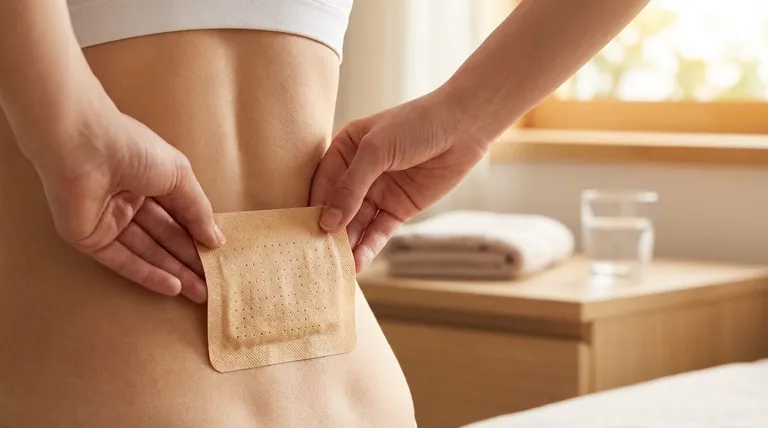
Foundational Rule: Protecting Your Skin Barrier
The condition of your skin at the application site is the single most important factor for safe use. Your skin is a barrier, and its integrity is key to controlling absorption.
Never Apply to Broken or Irritated Skin
Applying a patch to skin that is cut, scraped, sunburned, or has a rash can dramatically increase the rate of absorption. This can lead to an unexpectedly high dose of the essential oils entering your system and significantly raises the risk of infection.
Avoid Application After a Hot Bath
Do not apply a patch immediately after a hot bath or shower. The heat and moisture open your pores and increase blood flow to the skin, which can cause the active ingredients to be absorbed too quickly.
Controlling the Rate of Absorption
The patch is designed to release its ingredients at a steady, controlled rate. External factors, especially heat, can disrupt this process and lead to unsafe dosage levels.
Avoid All External Heat Sources
Never expose the patch to heating pads, electric blankets, saunas, hot tubs, or direct, prolonged sunlight. Heat accelerates the release of ingredients from the patch and increases skin permeability, which can cause a rapid, potentially harmful spike in absorption.
Do Not Cover or Bandage the Patch
Placing a tight bandage or clothing over the patch can trap heat and moisture. This creates an environment similar to applying a heating pad, which can dangerously increase the absorption rate.
Understanding Systemic and External Risks
Because the ingredients enter your bloodstream, you must consider potential effects on your entire body and interactions with your environment.
Be Cautious with Driving and Machinery
Some essential oils can cause drowsiness or dizziness. Until you know how a specific patch affects you, avoid driving or operating heavy machinery to ensure your safety and the safety of others.
Inform Your Healthcare Provider
Always discuss patch use with your doctor or pharmacist. They need to know your full medical history, any allergies you have, and a complete list of all medications and supplements you are taking to avoid potential negative interactions.
Special Precautions for Medical Procedures
Remove any patch before undergoing an Magnetic Resonance Imaging (MRI) scan or cardioversion. Some patches contain metallic components that can overheat during these procedures, leading to serious skin burns.
Safe Handling, Dosing, and Disposal
Proper handling prevents accidental exposure and ensures you are using the product as intended.
Correct Dosing is Critical
Only use one patch at a time unless otherwise directed, and never use more than two patches in a 24-hour period. Using more than the recommended amount is an overdose.
Proper Application and Removal
Avoid touching the sticky, medicated side of the patch during application. When a patch loosens or falls off, dispose of it safely and apply a fresh one. If a patch is difficult to remove, an oil-based product can help dissolve the adhesive.
Wash Your Hands Thoroughly
Always wash your hands with soap and water after applying, removing, or otherwise touching a patch. This prevents you from accidentally transferring active ingredients to your eyes, nose, mouth, or to another person.
Safe Disposal of Used Patches
After removal, fold the used patch in half so the sticky sides press together. This seals in any remaining active ingredients, making it safer for disposal and preventing accidental exposure to children or pets.
Making the Right Choice for Your Safety
Your specific health profile dictates how you should approach the use of essential oil patches.
- If you are a new user: Test the patch on a small, healthy area of skin first and be vigilant for any signs of irritation or unexpected side effects.
- If you have sensitive skin or existing medical conditions: Always consult with your doctor before using any transdermal patch to ensure it is safe for you.
- If you are pregnant, breastfeeding, or considering use on a child: Do not use an essential oil patch without getting direct approval and guidance from a healthcare professional.
Ultimately, treating an essential oil patch with the same caution as any other medication is the key to using it safely and effectively.
Summary Table:
| Precaution Category | Key Safety Rule | Why It's Important |
|---|---|---|
| Skin Integrity | Never apply to broken or irritated skin. | Prevents overdose and infection from rapid absorption. |
| Heat Exposure | Avoid heating pads, saunas, and direct sunlight on the patch. | Heat can cause a dangerous spike in ingredient release. |
| Medical Safety | Inform your doctor and remove patch before an MRI. | Prevents drug interactions and procedure-related burns. |
| Proper Handling | Wash hands after use and fold used patch for disposal. | Avoids accidental transfer to eyes/mouth and protects others. |
Develop Safe and Reliable Transdermal Patches with Enokon
As a bulk manufacturer of medical-grade transdermal patches and pain plasters, Enokon partners with healthcare and pharmaceutical distributors and brands to deliver safe, effective products. Our technical expertise ensures precise dosing and controlled release, mitigating the risks outlined above.
Benefit from our custom R&D and development services to create patches that prioritize user safety.
Contact our experts today to discuss your project requirements and how we can support your brand with reliable, high-quality transdermal solutions.
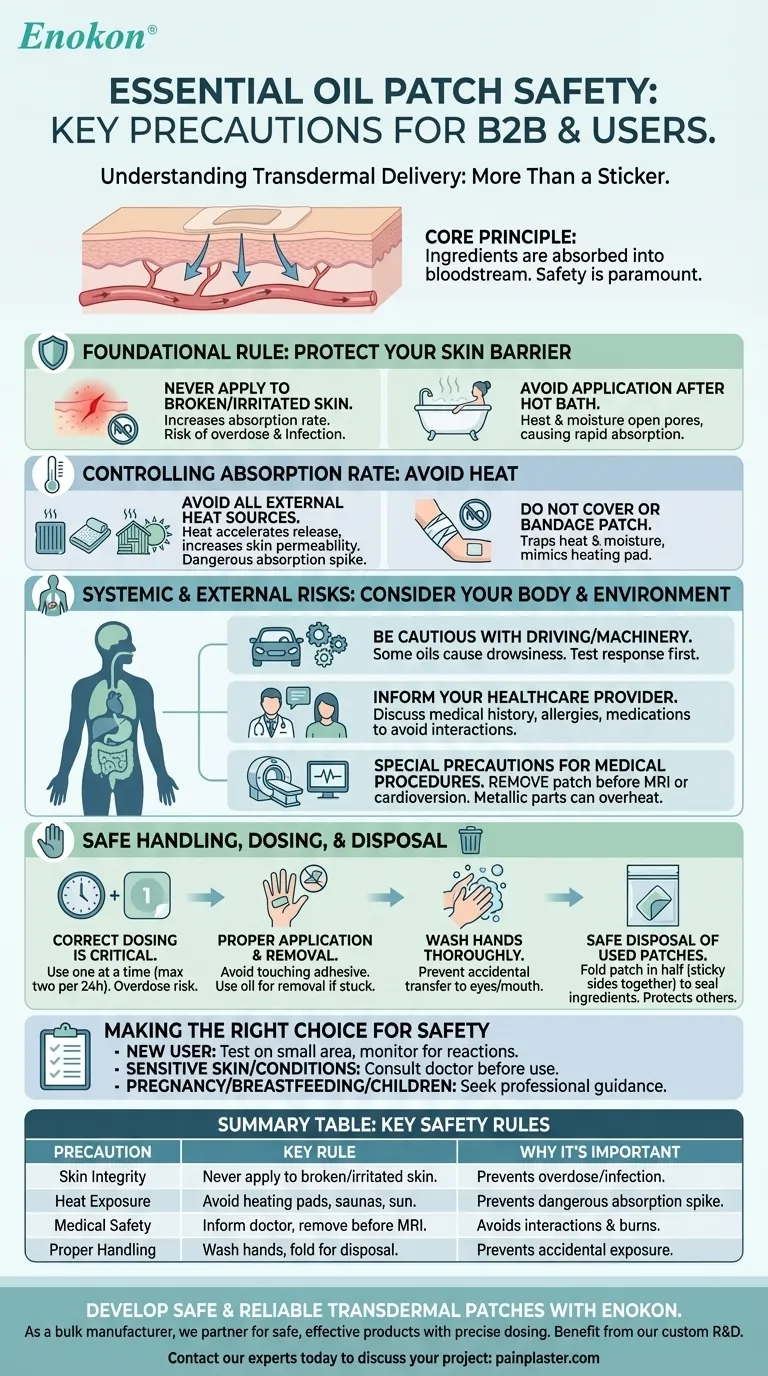
Visual Guide
Related Products
- Mugwort Wormwood Pain Relief Patch for Neck Pain
- Menthol Gel Pain Relief Patch
- Asthma Cough and Pain Relief Patch for Adults and Kids
- Heat Relief Capsicum Patch for Lower Back Pain Relief
- Natural Herbal Patch for Motion Sickness and Car Sickness Relief
People Also Ask
- What are pain relief patches? Discover Targeted, Drug-Free Pain Management Solutions
- What type of pain are pain relief patches best suited for? Find Targeted Relief for Your Aches
- What safety considerations should be kept in mind when using pain relief patches? Ensure Safe & Effective Pain Management
- How should pain relief patches be applied and used? A Guide to Safe & Effective Targeted Relief
- How do pain relief patches provide targeted relief? Discover the Science Behind Effective Pain Management



















