
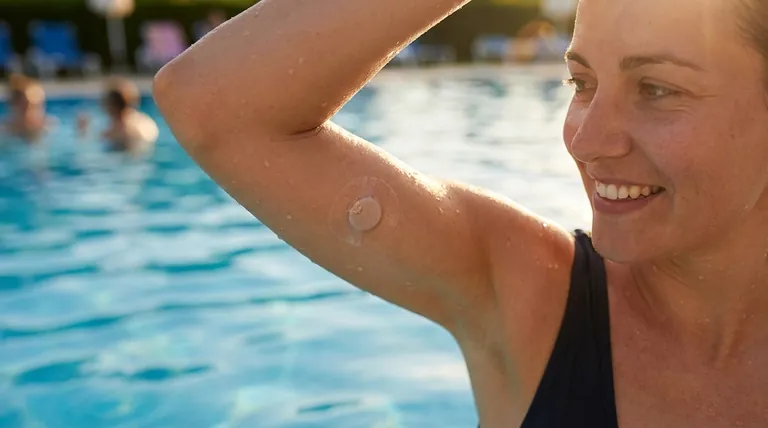
Regarding the use of clonidine patches with water, the answer is definitive. You can safely and effectively bathe, shower, and swim while wearing your clonidine transdermal patch. The patch is specifically designed with a water-resistant adhesive to withstand normal daily activities, ensuring your medication is delivered without interruption.
The clonidine patch is designed to be water-resistant for daily activities like swimming and bathing. The key to its effectiveness is not avoiding water, but ensuring the patch is applied correctly from the start and checking its adhesion after water exposure.
How the Patch is Designed for Daily Life
A clonidine patch is a multi-layered system engineered for continuous, reliable medication delivery over several days. Understanding its basic design helps clarify why it's safe in water.
The Water-Resistant Adhesive
Each patch has a medical-grade adhesive layer designed to stick securely to your skin. This adhesive is formulated to resist moisture from sweat, bathing, and swimming, forming a seal that protects the medication reservoir.
Continuous Medication Delivery
The primary function of the patch is to deliver a steady, controlled dose of clonidine through your skin over a seven-day period. This design inherently accounts for routine activities, including daily hygiene, to ensure therapeutic consistency.
Best Practices for Patch Adhesion and Water Exposure
While the patch is water-resistant, its effectiveness hinges on proper application and care. Following these steps minimizes the risk of the patch loosening or falling off.
Start with a Clean, Dry Surface
Before applying a new patch, choose a spot on your upper outer arm or upper chest. The skin must be completely clean, dry, and free of hair, lotions, soaps, or oils, as these can severely weaken the adhesive.
Ensure a Secure Seal
When you apply the patch, press down firmly with the palm of your hand for at least 30 seconds. This warms the adhesive and ensures it makes full, secure contact with your skin, which is critical for both adhesion and proper drug delivery.
Care After Water Exposure
After swimming or bathing, avoid rubbing the patch with a towel. Instead, gently pat the area dry. Take a moment to check the edges of the patch to confirm it is still stuck down firmly on all sides.
Common Pitfalls and How to Address Them
Knowing how to handle common issues provides confidence and ensures you never miss a dose.
If the Patch Becomes Loose
If you notice the edges of the patch are lifting but it's still mostly attached, you can secure it. Use a waterproof medical tape, like Tegaderm or a similar transparent film dressing, to tape down the edges or cover the entire patch.
If the Patch Falls Off Completely
This is the most critical issue to address correctly. If your clonidine patch falls off, do not try to reapply it. Immediately apply a new patch to a different, clean, and dry skin area.
It is very important to then contact your doctor or pharmacist. They need to know this has happened so they can advise you on how to adjust your patch-change schedule going forward.
The Impact of Soaps and Lotions
Be mindful of products used in the shower or bath. Allowing soaps, oils, or body washes to run over the patch can degrade the adhesive over time. Try to avoid directly scrubbing the patch area.
Making the Right Choice for Your Treatment
Your goal is to maintain a consistent dose for maximum therapeutic benefit. Tailor your routine to ensure the patch remains secure.
- If you are a regular swimmer or take long baths: Pay extra attention to patch location by choosing an area with minimal flexing, and always check for secure adhesion after getting out of the water.
- If you notice the patch edges frequently lift: Ask your pharmacist about using a compatible adhesive cover or a waterproof medical film overlay to provide extra security.
- If a patch ever falls off: Immediately apply a new patch to a different site and notify your healthcare provider to confirm your patch-change schedule.
By following these simple practices, you can confidently manage your treatment without disrupting your daily life.
Summary Table:
| Activity | Is it Safe? | Key Consideration |
|---|---|---|
| Showering/Bathing | Yes | Pat dry; avoid scrubbing the patch directly. |
| Swimming | Yes | Check edges for secure adhesion afterward. |
| Applying Lotion/Oils | No | Can degrade adhesive; apply away from patch site. |
| If Patch Falls Off | Replace Immediately | Apply a new patch and contact your doctor. |
Ensure consistent, reliable medication delivery for your patients. As a bulk manufacturer of transdermal patches, Enokon provides healthcare and pharmaceutical distributors with water-resistant, medical-grade adhesive systems. Benefit from our technical expertise for custom R&D and development of durable patches that withstand daily life. Contact our specialists today to discuss your manufacturing needs.
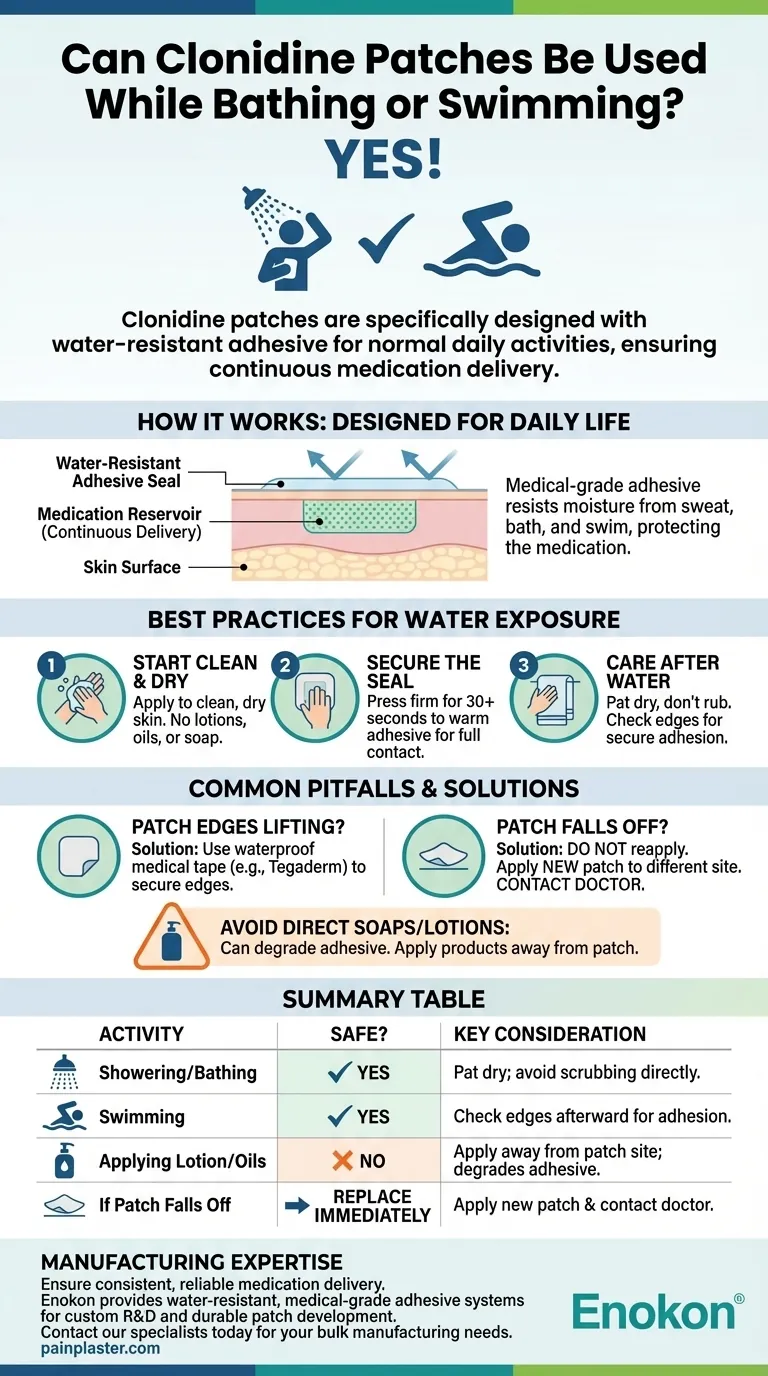
Visual Guide
Related Products
- Lidocaine Hydrogel Pain Relief Patch for Pain Relief
- Menthol Gel Pain Relief Patch
- Herbal Medicated Anti Diarrhea Patch for Digestive Relief
- Asthma Cough and Pain Relief Patch for Adults and Kids
- Capsaicin Chili Medicated Pain Relief Patches
People Also Ask
- How does the aqueous base in a lidocaine patch contribute to drug delivery? Unlocking Sustained Pain Relief Technology
- What are the advantages of topical anesthetics over invasive Lidocaine infiltration? Discover Safer, Scalable Relief
- Which pain patch is most effective for arthritis? Find the Best Relief for Your Joint Pain
- Why are lidocaine patches preferred over oral medications? Targeted Relief & Scale Your Brand with OEM R&D Solutions
- Will a GP routinely continue prescribing lidocaine patches after the initial period? Understanding Short-Term Pain Relief



















