Addressing skin irritation in long-term transdermal therapy requires a sophisticated combination of biocompatible material selection, refined formulation R&D, and the integration of soothing auxiliary agents. By optimizing the ratio of penetration enhancers and utilizing highly breathable, medical-grade adhesives, manufacturers can significantly reduce erythema and itching while maintaining therapeutic efficacy.
Core Takeaway: To ensure patient compliance and brand loyalty, enterprise-level manufacturing must balance drug delivery efficiency with skin barrier protection through custom-engineered matrices and hypoallergenic substrates.
Advanced Formulation R&D for Skin Compatibility
Optimizing Penetration Enhancers
The ratio of penetration enhancers, such as ethanol or propylene glycol, must be meticulously balanced using extensive formulation databases. Over-saturation can compromise the skin barrier, while under-saturation reduces drug efficacy; expert R&D identifies the "sweet spot" that ensures penetration without inducing chemical dermatitis.
Refining Polymer Matrices
Customized R&D solutions focus on the ratio of polymer matrices to enhance drug biocompatibility within the patch. By refining these structures, manufacturers can prevent localized skin dryness and desquamation often caused by prolonged contact with synthetic carriers.
Controlling Release Rates
Sudden high-concentration drug exposure is a leading cause of localized redness and inflammation. Sophisticated process optimization allows for a controlled release rate, ensuring the active ingredients are delivered at a steady pace that the skin can physiologically tolerate over 24 to 72 hours.
Strategic Material Selection and Engineering
Hypoallergenic Pressure-Sensitive Adhesives (PSA)
Utilizing medical-grade, low-allergy PSAs is critical for minimizing mechanical irritation. These biocompatible materials provide strong adhesion for long-term wear while ensuring that removal does not cause significant epidermal trauma or "stripping."
High-Breathability Substrates
Long-term wear often leads to moisture buildup and occlusion, which triggers itching. Selecting highly breathable substrates allows for better gas exchange and moisture vapor transmission, effectively alleviating the physical sensation of pressure and heat.
Integrated Soothing Agents
Manufacturers can incorporate natural soothing agents like menthol or mild emollients directly into the patch matrix. These auxiliary materials provide an immediate cooling effect and help maintain skin hydration, counteracting the drying effects of certain active pharmaceutical ingredients (APIs).
Understanding the Trade-offs
Balancing Permeability and Tolerance
The primary challenge in transdermal design is the inverse relationship between drug flux and skin irritation. Increasing the concentration of enhancers to drive drug delivery often increases the risk of inflammatory responses, necessitating a highly technical calibration phase during R&D.
Adhesion Strength vs. Ease of Removal
A patch must remain secure for several days, yet high-tack adhesives can cause mechanical irritation upon removal. Choosing the right adhesive requires weighing the necessity of long-term wear against the need for a gentle, trauma-free peel-off experience for the patient.
Production Scalability vs. Customization
While custom formulations with soothing agents improve patient outcomes, they require GMP-certified facilities capable of high-volume delivery without compromising quality. Brand owners must ensure their manufacturing partner can scale complex, multi-layered patch designs while maintaining stringent quality control.
How to Apply This to Your Product Strategy
Recommendations Based on Your Business Goals
- If your primary focus is chronic condition management (e.g., Alzheimer’s): Prioritize highly breathable substrates and site-rotation protocols to ensure the 24/7 wear required for these therapies does not lead to treatment interruption.
- If your primary focus is high-potency analgesic delivery: Focus on R&D that optimizes the ratio of penetration enhancers to prevent "drug dumping" and localized chemical irritation at the application site.
- If your primary focus is sensitive skin or pediatric markets: Invest in custom formulations infused with mild emollients and hypoallergenic, medical-grade adhesives to differentiate your brand as a premium, safety-first solution.
By integrating these technical optimizations, brand owners can deliver high-performance transdermal solutions that prioritize both clinical efficacy and patient comfort.
Summary Table:
| Optimization Category | Key Strategy | Primary Benefit |
|---|---|---|
| Formulation R&D | Balancing penetration enhancers & polymer matrices | Prevents chemical dermatitis and localized dryness. |
| Material Selection | Using medical-grade, low-allergy PSAs | Reduces mechanical irritation and epidermal trauma. |
| Skin Physiology | Integrating breathable substrates | Prevents moisture buildup, occlusion, and itching. |
| Release Control | Calibrating steady drug flux rates | Eliminates "drug dumping" and localized inflammation. |
| Auxiliary Materials | Adding natural soothing agents (e.g., Menthol) | Provides immediate cooling and maintains hydration. |
Partner with Enokon for Skin-Friendly Transdermal Innovation
Are you looking to differentiate your brand with high-performance, hypoallergenic transdermal solutions? Enokon is a trusted manufacturer and global leader in turnkey contract R&D and massive-scale production. We help brand owners, distributors, and wholesalers overcome skin irritation challenges through custom-engineered formulations and GMP-certified manufacturing.
Why Choose Enokon?
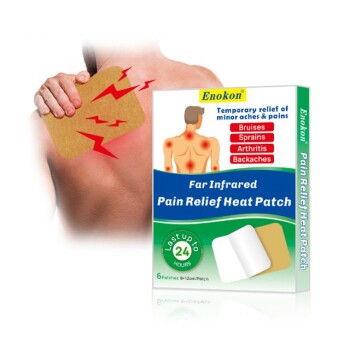
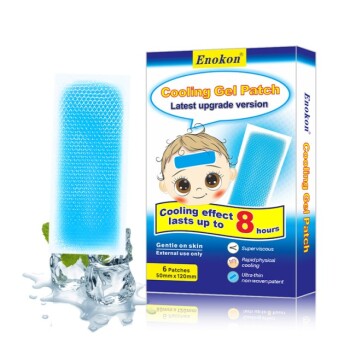
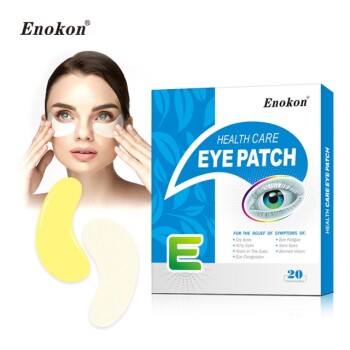
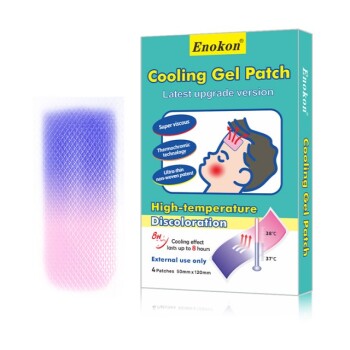
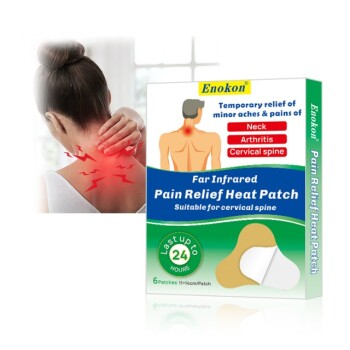
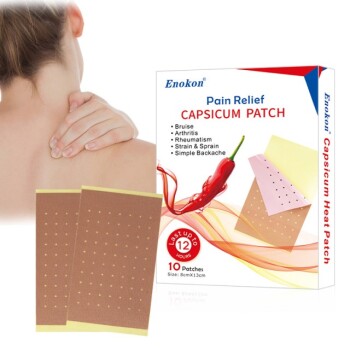
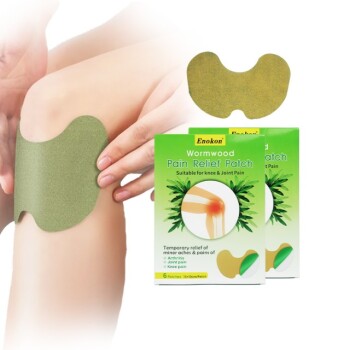
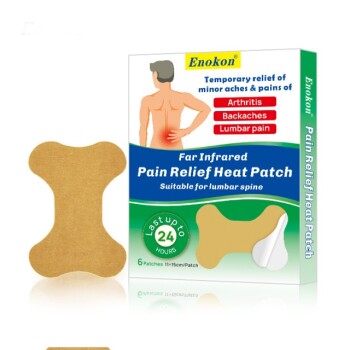
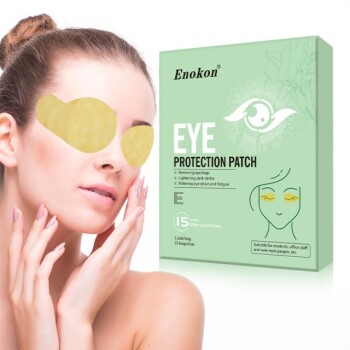
- Comprehensive Product Range: High-quality patches for pain relief (Lidocaine, Menthol, Capsicum, Far Infrared), Eye Protection, Detox, and Medical Cooling Gels (excluding microneedle technology).
- R&D Excellence: Expertise in balancing drug flux with skin tolerance for long-term wear products.
- Scalable Manufacturing: Reliable high-volume delivery from world-class facilities with global certifications.
- Strategic OEM/ODM Support: Custom formulations designed to maximize profit margins and patient compliance.
Ready to elevate your product line with a reliable manufacturing partner? Contact our expert team today to discuss your custom R&D requirements!
References
- Reinhold Schmidt. P2‐245: A naturalistic study of rivastigmine transdermal patch in outpatient services in Austria. DOI: 10.1016/j.jalz.2009.04.558
This article is also based on technical information from Enokon Knowledge Base .
Related Products
- Silicone Scar Sheets Patch Transdermal Drug Patch
- Far Infrared Heat Pain Relief Patches Transdermal Patches
- Icy Hot Menthol Medicine Pain Relief Patch
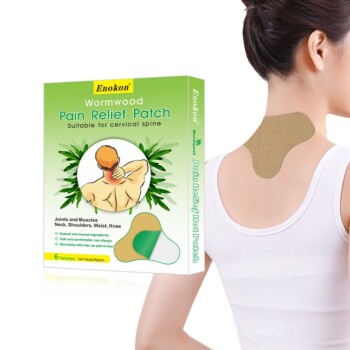
- Mugwort Wormwood Pain Relief Patch for Neck Pain
- Menthol Gel Pain Relief Patch
People Also Ask
- What is the function of PDMS-NH2 in silicone patches? Catalyzing Room-Temp Curing for Heat-Sensitive APIs
- What role does a silicone-based transdermal delivery system play in Parkinson's? Enhancing Early-Stage Patient Care
- Why is TEOS used as a cross-linking agent in silicone transdermal patches? Ensure Structural Integrity & Drug Stability
- How do PEG 200 and Glycerol modify silicone transdermal patches? Optimize Drug Release and Patch Flexibility
- How is the long-term skin tolerance of silicone-based transdermal patches evaluated in clinical settings? R&D and Safety