
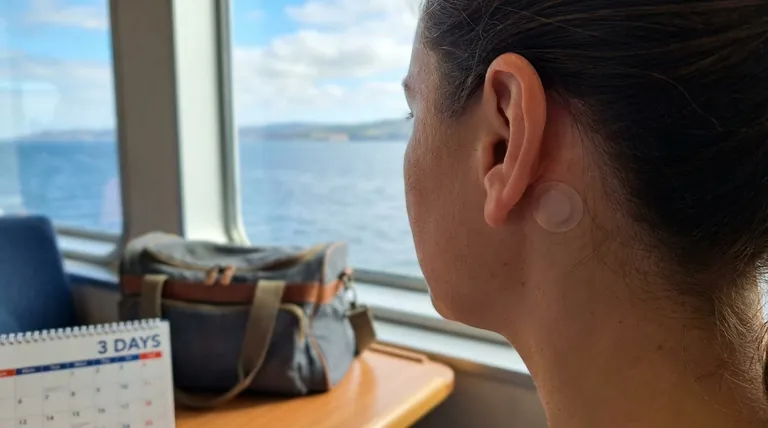
The scopolamine transdermal patch is designed for short-term use, typically up to 3 days. It is applied behind the ear either the evening before surgery to prevent post-operative nausea or at least 4 hours before travel to manage motion sickness. After 3 days, the patch should be removed and replaced with a new one behind the opposite ear if continued use is necessary. This ensures consistent medication delivery while minimizing potential side effects. The patch is not recommended for use in children.
Key Points Explained:
-
Duration of Wear
- The Scopolamine Transdermal Patch is approved for continuous wear for up to 3 days.
- Beyond this period, the patch’s effectiveness may diminish, and replacing it ensures optimal drug delivery.
-
Replacement Protocol
- If extended use is required (e.g., for multi-day travel or post-surgical recovery), the old patch should be removed after 72 hours, and a new one applied behind the opposite ear.
- This rotation helps prevent skin irritation and maintains steady medication absorption.
-
Timing of Application
- For surgery-related nausea: Apply the patch the evening before the procedure.
- For motion sickness: Apply at least 4 hours before exposure (e.g., before a flight or cruise).
-
Safety Considerations
- Not recommended for children due to higher sensitivity to anticholinergic effects (e.g., drowsiness, blurred vision).
- Prolonged use without replacement may increase the risk of side effects like dry mouth or dizziness.
-
Mechanism of Action
- The patch slowly releases scopolamine through the skin, blocking nausea signals in the inner ear and brain. The 3-day limit aligns with its designed drug-release profile.
Have you considered how this patch compares to oral anti-nausea medications? The transdermal method avoids gastrointestinal absorption, making it useful when vomiting is a concern. Its discreet, long-acting design exemplifies how small medical innovations can significantly improve patient comfort.
Summary Table:
| Key Aspect | Details |
|---|---|
| Duration of Wear | Up to 3 days per patch; replace after 72 hours if needed. |
| Application Timing | Surgery: Apply the night before; motion sickness: 4+ hours before travel. |
| Replacement Protocol | Rotate to the opposite ear to reduce skin irritation. |
| Safety Notes | Not for children; avoid prolonged use to prevent side effects. |
Need reliable transdermal solutions for nausea control?
Enokon specializes in bulk manufacturing of high-quality scopolamine patches and custom pain relief plasters for healthcare distributors and brands. Our expertise in transdermal R&D ensures consistent drug delivery and patient comfort.
Contact us today to discuss your project or request samples!
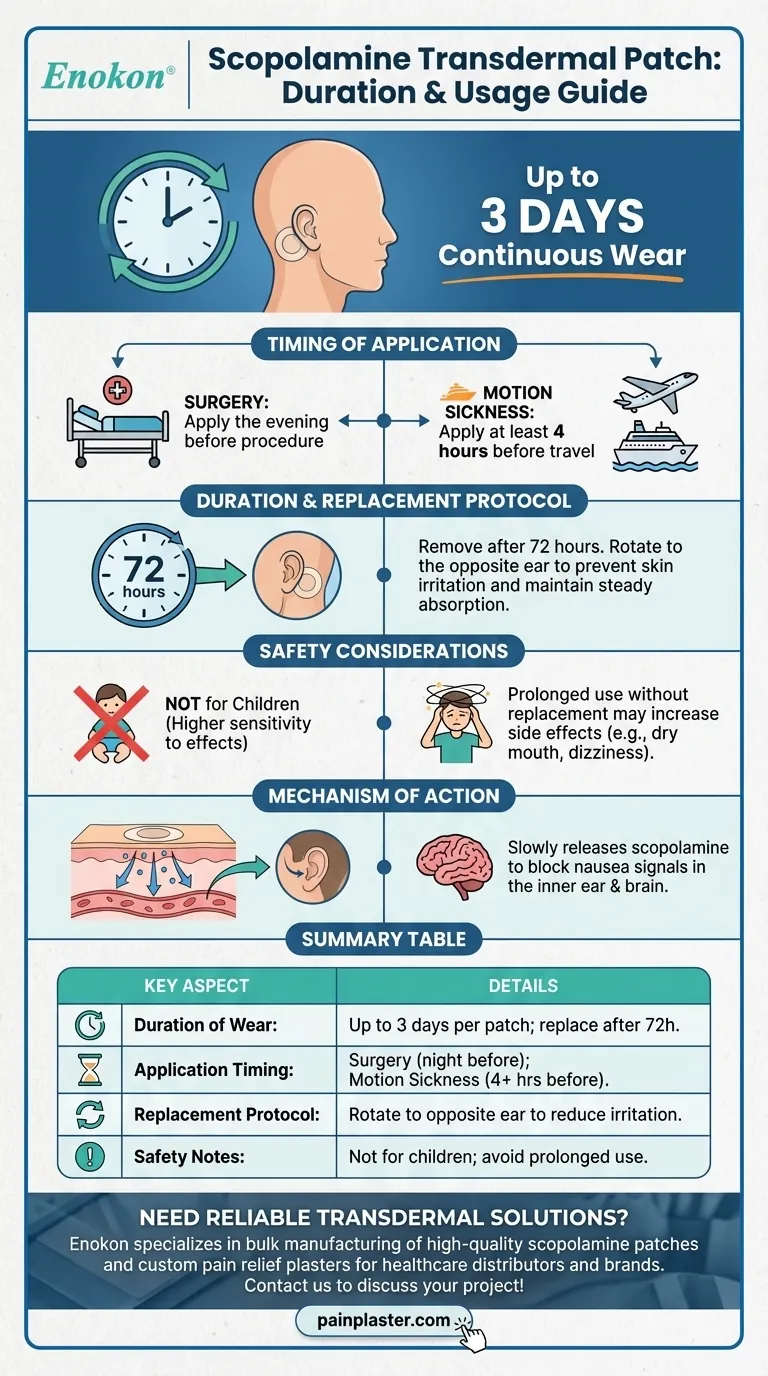
Visual Guide
Related Products
- Far Infrared Heat Pain Relief Patches Transdermal Patches
- Silicone Scar Sheets Patch Transdermal Drug Patch
- Icy Hot Menthol Medicine Pain Relief Patch
- Menthol Gel Pain Relief Patch
- Mugwort Wormwood Pain Relief Patch for Neck Pain
People Also Ask
- Why is the selection of matrix materials critical when developing customized transdermal patches? Optimize Efficacy
- What role does a skin tolerance scoring system play in the safety evaluation of transdermal patches? Key Safety Metrics
- What are the physical impacts of external heat exposure on the performance and safety of transdermal patches? - Guide
- What are the clinical advantages of local transdermal delivery systems? Unlock Safer, More Effective Pain Relief Solutions
- How does high-purity far-infrared ceramic powder contribute to the efficacy of far-infrared physical therapy patches?












