
Lidocaine patches, while effective for localized pain relief, can trigger allergic reactions ranging from mild skin irritations to severe systemic responses. These reactions stem from hypersensitivity to lidocaine itself or additives like sodium metabisulfite. Understanding these risks helps users and healthcare providers balance benefits against potential adverse effects, ensuring timely intervention when needed.
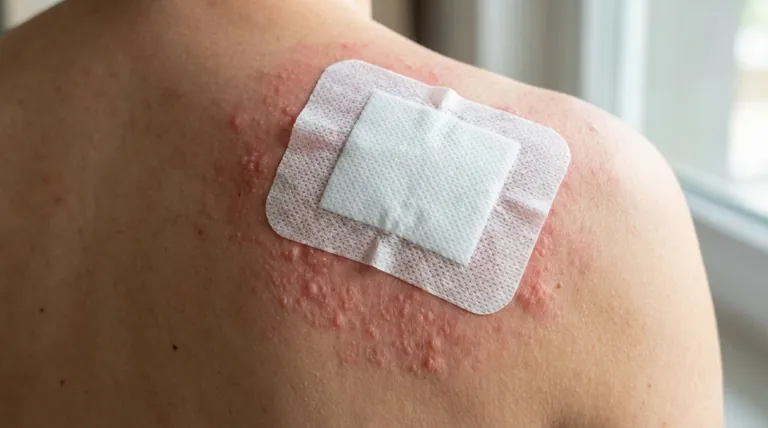
Key Points Explained:
-
Common Localized Allergic Reactions
- Symptoms: Redness, itching, hives, rashes, or blistering at the application site. These often resolve after patch removal.
- Management: Rotate application sites, use moisturizers, and discontinue use if persistent irritation occurs.
- Example: A Lidocaine Patch user might experience temporary redness resembling a mild sunburn.
-
Systemic Allergic Responses
- Symptoms: Swelling (lips/tongue/throat), hoarseness, difficulty breathing/swallowing, or rapid pulse—indicating anaphylaxis.
- Action: Remove the patch immediately and seek emergency care.
- Note: These are rare but life-threatening, especially in sulfite-sensitive individuals due to sodium metabisulfite content.
-
Neurological and Gastrointestinal Effects
- Symptoms: Dizziness, confusion, weakness, nausea, or vomiting, suggesting systemic absorption.
- Risk Factors: Overuse or application to broken skin increases absorption.
-
Severe but Rare Complications
- Methemoglobinemia: Oxygen deprivation marked by blue-tinged skin or fatigue; requires urgent treatment.
- Toxicity: Overdose may cause irregular heartbeat or seizures.
-
Preventive Measures
- Patch testing for sensitivity before full application.
- Avoiding use on damaged skin or with heating pads (enhances absorption).
Reflective Question: Could preemptive allergy testing reduce severe reactions in high-risk patients?
By recognizing these reactions early, users can mitigate risks while benefiting from lidocaine’s analgesic properties—a reminder of how personalized care shapes safe medication use.
Summary Table:
| Reaction Type | Symptoms | Action Required |
|---|---|---|
| Localized Allergic | Redness, itching, hives, blistering at application site | Remove patch; rotate sites; discontinue if persistent |
| Systemic Allergic | Swelling (lips/throat), breathing difficulties, rapid pulse (anaphylaxis) | Seek emergency care immediately |
| Neurological/GI | Dizziness, confusion, nausea, vomiting | Discontinue use; consult healthcare provider |
| Severe Complications | Methemoglobinemia (blue skin), irregular heartbeat, seizures | Urgent medical intervention required |
Ensure safe pain relief with expert-backed solutions!
At Enokon, we specialize in manufacturing high-quality transdermal patches, including lidocaine formulations, tailored for healthcare distributors and brands. Our technical expertise ensures reliable, hypoallergenic designs with minimized reaction risks. Need custom R&D or bulk orders? Contact our team today to discuss your requirements and benefit from our industry-leading formulations.
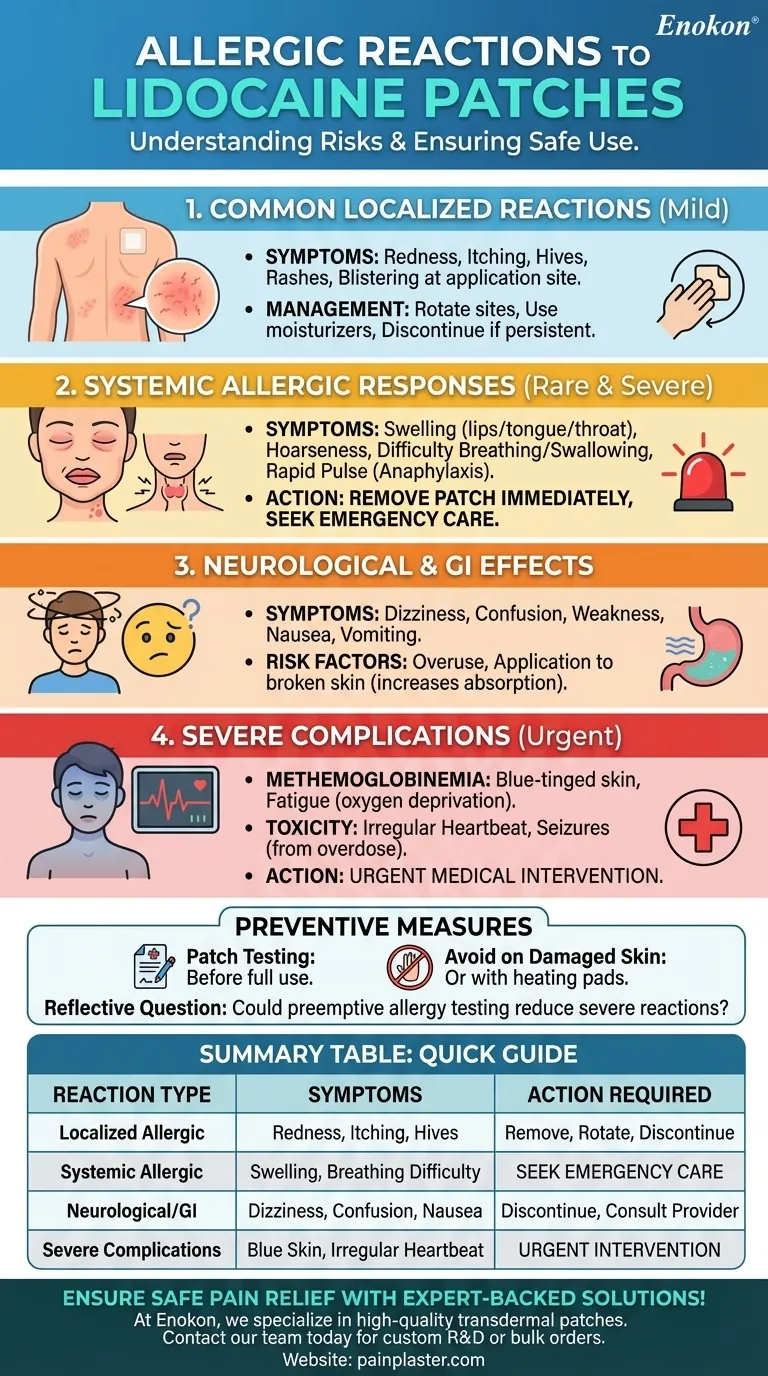
Visual Guide
Related Products
- Lidocaine Hydrogel Pain Relief Patch for Pain Relief
- Herbal Medicated Anti Diarrhea Patch for Digestive Relief
- Menthol Gel Pain Relief Patch
- Icy Hot Menthol Medicine Pain Relief Patch
- Asthma Cough and Pain Relief Patch for Adults and Kids
People Also Ask
- How does the aqueous base in a lidocaine patch contribute to drug delivery? Unlocking Sustained Pain Relief Technology
- What are the advantages of topical anesthetics over invasive Lidocaine infiltration? Discover Safer, Scalable Relief
- Which pain patch is most effective for arthritis? Find the Best Relief for Your Joint Pain
- Will a GP routinely continue prescribing lidocaine patches after the initial period? Understanding Short-Term Pain Relief
- Why are lidocaine patches preferred over oral medications? Targeted Relief & Scale Your Brand with OEM R&D Solutions



















