
To use a nicotine transdermal patch, you apply it once daily to a clean, dry, and hairless area of your upper body. The most common dosages are 21 mg, 14 mg, and 7 mg, designed for a tapering-down approach over a typical 8-to-10-week treatment period.
The core principle of nicotine patch therapy is not just about replacing cigarettes, but about systematically reducing your body's dependence on nicotine through a controlled, step-down dosage schedule.
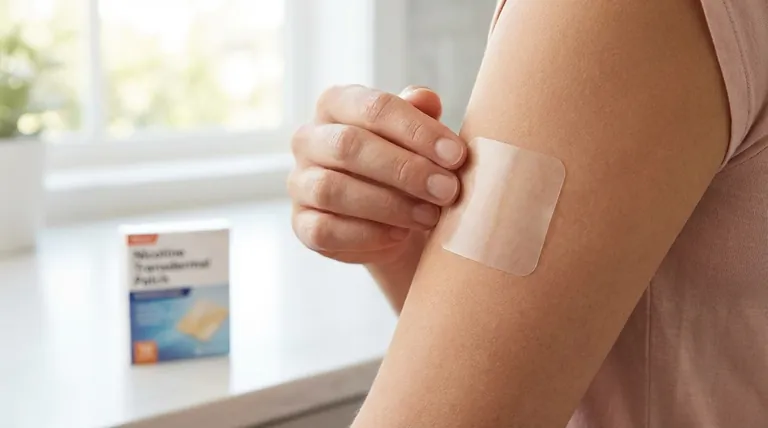
How Nicotine Patches Support Smoking Cessation
The Principle of Transdermal Delivery
A transdermal patch delivers medication directly through the skin into the bloodstream. This method provides a steady, controlled release of nicotine throughout the day.
This consistency helps manage withdrawal symptoms and cravings more effectively than the sharp peaks and troughs associated with smoking.
Key Advantages of the Patch
The primary benefit is its non-invasive and discreet nature. Patches are pain-free, simple to use, and remove the need to manage pills or other forms of nicotine replacement throughout the day.
The Standard Dosing and Tapering Schedule
Determining Your Starting Dose
Your starting dose is almost always based on your current smoking habits. While a healthcare provider will give the final recommendation, a common guideline is to start with a 21 mg patch if you smoke more than 10 cigarettes per day.
For those who smoke 10 or fewer cigarettes daily, a lower starting dose, such as a 14 mg patch, may be more appropriate.
The 8-to-10-Week Tapering Process
A typical treatment plan involves gradually reducing the nicotine dosage to wean your body off its dependency.
- Weeks 1-4: Use the starting dose patch (e.g., 21 mg/day).
- Weeks 5-8: Switch to a weaker patch (e.g., 14 mg/day).
- Weeks 9-10: Move to the lowest dose patch (e.g., 7 mg/day) until you feel stabilized.
Some individuals may need to extend therapy beyond 10 weeks based on their progress and cravings.
Step-by-Step Application Guide
Prepare the Skin
Proper application is crucial for the patch to work correctly. The chosen skin area must be clean, dry, intact, and relatively hair-free. Do not use lotions or creams on the area before application.
Choose and Rotate the Location
Apply the patch to the upper back, upper arm, abdomen, or hip.
Most importantly, you must rotate the application site daily. Applying a new patch to the same spot can cause significant skin irritation.
Apply the Patch Correctly
Apply the patch at roughly the same time each day. When applying the new patch, you must first remove the old one.
Press the new patch firmly onto your skin with the palm of your hand for about 10 seconds to ensure it adheres properly.
Common Pitfalls to Avoid
Skin Irritation
The most common side effect is mild itching, burning, or redness at the patch site. This is why daily site rotation is non-negotiable. If irritation persists or becomes severe, consult a healthcare professional.
Forgetting to Change the Patch
Because the patch is a "set it and forget it" method, it can be easy to forget to change it. Set a daily reminder to ensure you maintain a consistent level of nicotine and avoid a sudden return of withdrawal symptoms.
Exposure to Heat
Avoid exposing the patch to direct heat sources, such as heating pads or prolonged direct sunlight, as this can increase the rate of nicotine absorption and lead to adverse effects.
Making the Right Choice for Your Goal
- If you are a heavy smoker (over 10 cigarettes daily): Your strategy should be to start with the highest available dose (typically 21 mg) and commit to the full 8-to-10-week tapering schedule.
- If you are a light smoker (10 or fewer cigarettes daily): You can likely achieve success by starting at a lower dose (14 mg) and following a shorter, adjusted step-down plan.
- If you are concerned about side effects like skin irritation: Be meticulous about rotating the application site every single day and ensuring the skin is completely clean and dry before application.
Properly following a structured dosage and application plan is your most effective strategy for using nicotine patches to quit smoking successfully.
Summary Table:
| Aspect | Details |
|---|---|
| Common Dosages | 21 mg, 14 mg, 7 mg |
| Application Frequency | Once daily |
| Typical Treatment Duration | 8-10 weeks |
| Starting Dose Guide | >10 cigarettes/day: 21 mg ≤10 cigarettes/day: 14 mg |
| Key Application Tip | Rotate application site daily to avoid skin irritation |
Ready to develop your own reliable nicotine transdermal patches?
As Enokon, a bulk manufacturer of high-quality transdermal patches, we provide pharmaceutical distributors and healthcare brands with:
- Custom R&D and formulation expertise for nicotine patches and other therapeutic applications
- Reliable, GMP-compliant manufacturing of pain plasters and medicated patches
- Technical support to optimize your product's dosage form and delivery system
Let us help you create effective smoking cessation solutions that patients can trust. Contact our technical team today to discuss your custom patch development needs!
Visual Guide

Related Products
- Silicone Scar Sheets Patch Transdermal Drug Patch
- Menthol Gel Pain Relief Patch
- Far Infrared Heat Pain Relief Patches Transdermal Patches
- Icy Hot Menthol Medicine Pain Relief Patch
- Mugwort Wormwood Pain Relief Patch for Neck Pain
People Also Ask
- What role does a silicone-based transdermal delivery system play in Parkinson's? Enhancing Early-Stage Patient Care
- How is the long-term skin tolerance of silicone-based transdermal patches evaluated in clinical settings? R&D and Safety
- Why is a polarizing microscope used to evaluate the long-term stability of transdermal drug patches? Ensure Efficacy.
- What are common adverse effects of transdermal drug delivery? Risks & Prevention Tips
- What are the advantages of transdermal drug patches? Optimize Medication Delivery with Patches








