
The primary advantages of transdermal patches are their ability to bypass the digestive system, maintain consistent and controlled drug levels over an extended period, and improve patient compliance through a non-invasive, easy-to-use format. This unique delivery method avoids the "first-pass effect" where the liver breaks down a significant portion of an oral drug, allowing for greater efficiency and potentially lower doses.
Transdermal patches represent a fundamental shift from intermittent dosing to continuous therapeutic delivery. They solve the core clinical challenges of metabolic breakdown and fluctuating drug concentrations that are common with oral medications, resulting in a more stable, effective, and patient-friendly treatment profile.
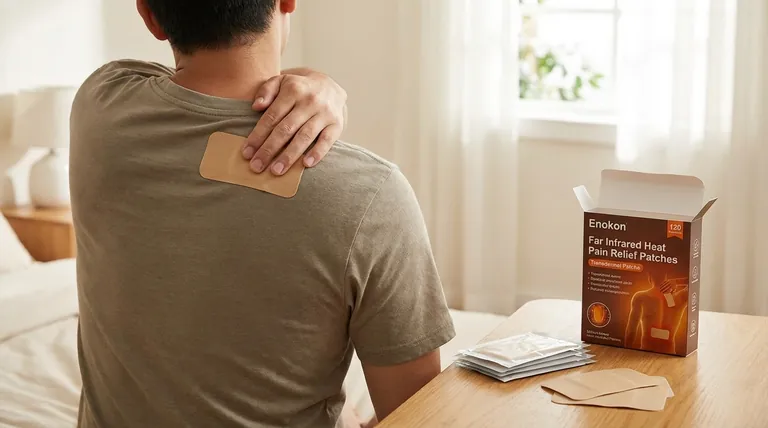
The Core Clinical Advantage: Bypassing the Digestive System
One of the most significant benefits of transdermal delivery is avoiding the gastrointestinal (GI) tract. This has profound implications for a drug's efficacy and safety.
Avoiding First-Pass Metabolism
When a drug is taken orally, it passes through the liver before entering the bloodstream. This first-pass metabolism can significantly reduce the amount of active drug available to the body.
By delivering the drug directly through the skin into the bloodstream, transdermal patches completely bypass this effect. This means a higher percentage of the drug reaches its target, often allowing for a lower overall dose and reducing the metabolic burden on the liver.
Minimizing Gastrointestinal Side Effects
Oral medications can often cause side effects like nausea, vomiting, or stomach irritation. Since transdermal patches avoid the digestive system entirely, they eliminate these common issues.
This makes them an excellent alternative for patients who are sensitive to the GI effects of certain medications.
An Alternative for Impaired Patients
Patches provide a critical delivery route for patients who cannot take oral medication. This includes individuals who are unconscious, experiencing severe nausea, or have difficulty swallowing (dysphagia).
Redefining Dosing: Consistency and Control
Transdermal patches transform drug administration from a series of peaks and valleys into a smooth, continuous infusion.
Maintaining Steady Therapeutic Levels
Oral medications create concentration spikes after each dose, followed by troughs as the drug wears off. This fluctuation can lead to periods of inefficacy or increased side effects.
Patches provide controlled, steady-state release for hours, days, or even a week. This maintains the drug within its optimal therapeutic window, enhancing effectiveness for chronic conditions like pain management, hypertension, or hormone replacement therapy.
Reducing Dosing Frequency and Errors
Remembering to take multiple pills a day is a major barrier to effective treatment. A patch that is applied once every few days drastically simplifies a medication regimen.
This reduces the risk of missed doses or accidental overuse, directly improving medication adherence and therapeutic outcomes.
Immediate Termination of Dosing
A key safety feature is the ability to quickly stop drug administration. If a patient experiences an adverse reaction, the patch can simply be removed.
This is a distinct advantage over oral or injectable forms, where the drug cannot be retrieved once it has been absorbed into the body.
The Patient Experience: Simplicity and Adherence
The design of a transdermal patch is inherently patient-centric, focusing on ease of use and comfort.
Non-Invasive and Painless Application
Unlike injections, patches are non-invasive and painless to apply. This removes the fear and discomfort associated with needles, which is a significant factor for many patients, especially in long-term therapy.
Improving Medication Compliance
The combination of simple application, reduced dosing frequency, and fewer side effects leads to a dramatic improvement in patient compliance. When a treatment is easy to follow, patients are more likely to stick with it.
Allowing Patient Mobility
Patches are discreet and allow patients to continue their normal daily activities, including showering and exercising, without interruption. This convenience is a small but important factor in overall quality of life during treatment.
Understanding the Trade-offs
While highly effective, the transdermal route is not a universal solution. An objective assessment requires acknowledging its limitations.
Limitations on Drug Candidates
Only certain types of drugs can be delivered effectively through the skin. The molecule must be relatively small and potent enough to be effective at a low dose, as the skin is a formidable barrier.
Potential for Skin Irritation
The adhesives used in patches or the drug formulation itself can cause local skin reactions, such as redness, itching, or rash at the application site. This can be a limiting factor for patients with sensitive skin.
Variable Absorption Rates
Factors like skin type, temperature, application site, and individual patient physiology can influence the rate and extent of drug absorption. This can introduce a degree of variability that must be managed.
Making the Right Choice for Your Goal
Selecting a drug delivery system depends entirely on the therapeutic objective and patient profile.
- If your primary focus is long-term, stable therapy: Patches are ideal for chronic conditions requiring consistent drug levels to manage symptoms effectively without peaks and troughs.
- If your primary focus is patient compliance: The simple, "set-it-and-forget-it" nature of patches dramatically improves adherence compared to frequent oral dosing schedules.
- If your primary focus is avoiding metabolic breakdown: Patches are a superior choice for drugs that are heavily metabolized by the liver when taken orally, ensuring more of the active ingredient reaches the bloodstream.
Ultimately, the transdermal patch is more than just a delivery mechanism; it is a sophisticated therapeutic platform that enhances a drug's performance and a patient's quality of life.
Summary Table:
| Key Advantage | Core Benefit |
|---|---|
| Bypasses Digestive System | Avoids first-pass metabolism and GI side effects. |
| Controlled, Steady Release | Maintains consistent therapeutic levels for hours or days. |
| Improved Patient Compliance | Simple, non-invasive application reduces dosing frequency and errors. |
| Enhanced Safety Profile | Dosing can be immediately terminated by removing the patch. |
Ready to leverage these advantages for your pharmaceutical brand?
Partner with Enokon, a bulk manufacturer of reliable transdermal patches and pain plasters. We specialize in providing healthcare and pharma distributors and brands with high-quality products backed by deep technical expertise.
Benefit from our custom R&D and development services to create a transdermal solution that meets your specific therapeutic and market needs.
Contact our experts today to discuss your project and discover how we can help you deliver better patient outcomes.
Visual Guide

Related Products
- Far Infrared Heat Pain Relief Patches Transdermal Patches
- Silicone Scar Sheets Patch Transdermal Drug Patch
- Icy Hot Menthol Medicine Pain Relief Patch
- Menthol Gel Pain Relief Patch
- Mugwort Wormwood Pain Relief Patch for Neck Pain
People Also Ask
- Why is the selection of matrix materials critical when developing customized transdermal patches? Optimize Efficacy
- What are the physical impacts of external heat exposure on the performance and safety of transdermal patches? - Guide
- What role does a skin tolerance scoring system play in the safety evaluation of transdermal patches? Key Safety Metrics
- What are the clinical advantages of local transdermal delivery systems? Unlock Safer, More Effective Pain Relief Solutions
- How does high-purity far-infrared ceramic powder contribute to the efficacy of far-infrared physical therapy patches?



















