The selection of gelling agents is the most critical decision in Emulgel formulation, directly determining product stability and consumer perception. In the preparation of Emulgel matrices, gelling agents like Carbomer or cellulose derivatives function by forming a three-dimensional spatial network that traps water and provides structural consistency. This network acts as a mechanical barrier that prevents emulsion droplets from coalescing, ensuring the preparation remains stable and uniform over its entire shelf life.
Core Takeaway: Gelling agents serve as the structural architect of an Emulgel, transforming a liquid emulsion into a stable, high-viscosity semi-solid. For brand owners, this technology is the key to achieving a premium skin feel while ensuring long-term physical stability and controlled delivery of active ingredients.
Establishing the Structural Framework
The Formation of the 3D Molecular Network
Gelling agents function by swelling and neutralizing within the aqueous phase of the formulation. This process triggers molecular chain cross-linking, which creates a robust three-dimensional spatial network.
This architecture is essential for transforming liquid components into a semi-solid gel matrix. It provides the necessary framework to support high concentrations of oils or active pharmaceutical ingredients (APIs) without compromising the product's integrity.
Water Retention and Consistency
The cross-linked network is highly efficient at trapping large amounts of water within its structure. This hydration provides the Emulgel with the required consistency and body that consumers expect from professional-grade topicals.
By managing the water phase, these agents ensure the gel remains hydrated and functional throughout its application. This is a vital component for formulations designed for high-volume, global distribution where environmental conditions may vary.
Ensuring Physical Stability and Shelf Life
Creating a Mechanical Barrier for Droplets
In an Emulgel, the gel matrix serves as a mechanical barrier for dispersed emulsion droplets. This barrier physically prevents the oil droplets from coming into contact with one another.
By inhibiting droplet collision, the gelling agent effectively prevents coalescence and phase separation. This ensures that the product maintains a uniform appearance and performance from the moment of manufacture until the final use.
Preventing Sedimentation and Aggregation
High-molecular-weight materials like Carbomer provide the viscosity required to support specialized carriers, such as Nanostructured Lipid Carriers (NLCs). This support prevents the sedimentation or aggregation of lipid particles during storage.
For B2B partners, this stability is a hallmark of stringent quality control. It minimizes the risk of product recalls or consumer dissatisfaction due to "leaking" or "breaking" emulsions.
Optimizing Rheology and User Experience
Achieving Superior Thixotropic Properties
Gelling agents impart thixotropic properties to the formulation, meaning the gel becomes more fluid under shear (application) and recovers its structure at rest. This ensures the product is easy to dispense from packaging but stays in place once applied.
This rheological control results in excellent spreadability and adhesion on the skin surface. It allows the user to apply the product evenly without a greasy or "runny" feel, which is a key differentiator for premium brands.
Controlled Release and Extended Residence Time
The 3D network regulates the release rate of the active ingredients by creating a controlled diffusion path. This ensures a constant contact area on the skin, which is vital for stable penetration kinetics.
Increased adhesion also extends the residence time of the formulation on the application site. This improves the efficacy of the product and enhances patient compliance, making it a preferred choice for therapeutic and dermatological applications.
Understanding the Trade-offs
pH Sensitivity and Neutralization Requirements
Carbomer-based systems are highly sensitive to pH fluctuations. To achieve maximum viscosity and clarity, they typically require precise neutralization with a base, which can complicate the manufacturing process if not handled by an expert R&D team.
If the pH is not strictly controlled, the 3D network can collapse, leading to a sudden loss of viscosity. This makes GMP-certified manufacturing environments essential for ensuring batch-to-batch consistency in large-scale production.
Shear Sensitivity During Manufacturing
The molecular chains of certain gelling agents can be susceptible to permanent degradation if exposed to excessive shear forces during high-speed mixing. Over-processing can result in a "thin" product that fails to meet stability specifications.
Choosing the right grade of cellulose derivative or cross-linked polymer requires a deep understanding of the intended manufacturing equipment. This is why partnering with an experienced OEM/ODM is crucial for successfully scaling a formulation from the lab to high-volume delivery.
Making the Right Choice for Your Goal
Strategic Recommendations for Formulation
When developing a custom Emulgel, the choice of gelling agent should align with your brand’s specific market positioning and performance requirements.
- If your primary focus is Maximum Stability: Utilize cross-linked acrylic resins (Carbomer) to create a high-strength mechanical barrier that prevents phase separation in complex emulsions.
- If your primary focus is Natural or "Clean" Branding: Explore cellulose derivatives or natural polymers that offer biocompatibility while maintaining essential rheological characteristics.
- If your primary focus is Superior Sensory Appeal: Prioritize agents that offer high thixotropy, ensuring a "quick-break" feel on the skin that leaves no sticky residue.
- If your primary focus is Controlled Drug Delivery: Select high-purity polymers that facilitate a 3D matrix capable of regulating the release rate of sensitive active ingredients.
Expertly engineered gel matrices are the foundation of every successful Emulgel, bridging the gap between advanced R&D and high-volume commercial success.
Summary Table:
| Key Function | Mechanism of Action | Business Value for Brands |
|---|---|---|
| Structural Framework | Forms a 3D molecular network via cross-linking | Supports high API/oil loading without integrity loss |
| Physical Stability | Creates a mechanical barrier against droplet coalescence | Prevents phase separation and extends shelf life |
| Rheology Control | Imparts thixotropic (shear-thinning) properties | Ensures superior spreadability and non-greasy feel |
| Controlled Release | Regulates diffusion paths within the gel matrix | Enhances penetration kinetics and patient compliance |
| Particle Support | Provides viscosity to suspend NLCs or lipid carriers | Eliminates sedimentation and ensures batch consistency |
Elevate Your Product Line with Enokon’s Formulation Expertise
Looking to develop high-performance topical gels or transdermal solutions? Enokon is your trusted GMP-certified manufacturer specializing in turnkey contract R&D and massive-scale production.
We provide brand owners, distributors, and wholesalers with premium OEM/ODM solutions for a wide range of products, including:
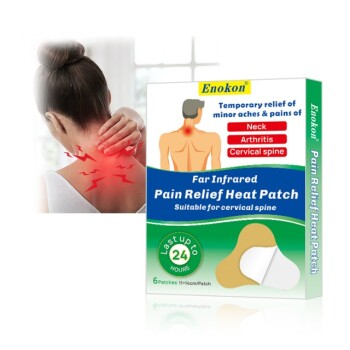
- Pain Relief Patches: Lidocaine, Menthol, Capsicum, and Herbal formulations.
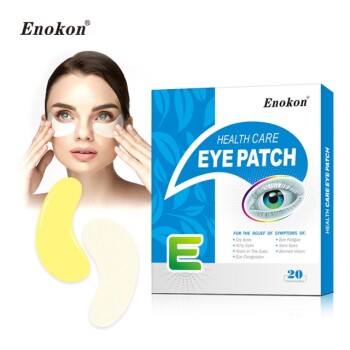
- Specialized Care: Eye Protection, Detox, and Far Infrared patches.
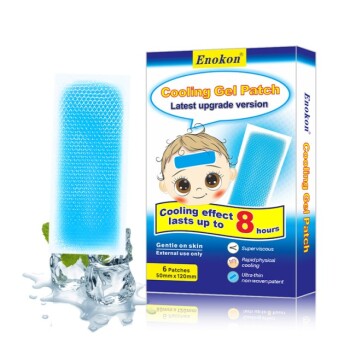
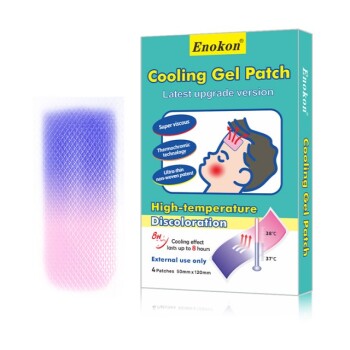
- Medical Grade: Advanced Cooling Gel patches and custom transdermal drug delivery systems (excluding microneedle technology).
Leverage our stringent quality control and reliable high-volume delivery to secure your market edge. Contact our R&D team today to discuss your custom formulation and start your journey toward a market-leading product!
References
- Gadila Sushma, J.V.C Sharma. Emulgels- A Novel Approach for Topical Drug Delivery. DOI: 10.47583/ijpsrr.2021.v67i01.024
This article is also based on technical information from Enokon Knowledge Base .
Related Products
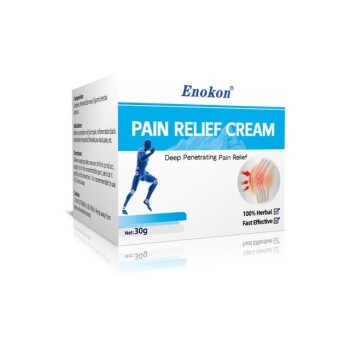
- Herbal Pain Relief Cream Pain Relieving Creams
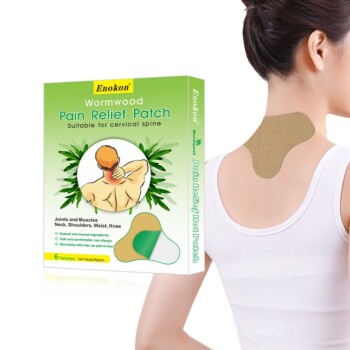
- Mugwort Wormwood Pain Relief Patch for Neck Pain
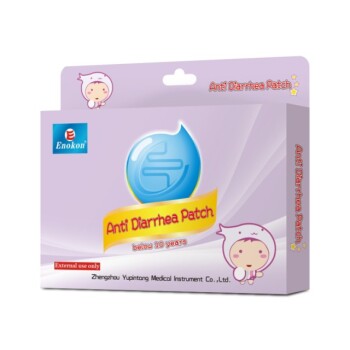
- Herbal Medicated Anti Diarrhea Patch for Digestive Relief
- Menthol Gel Pain Relief Patch
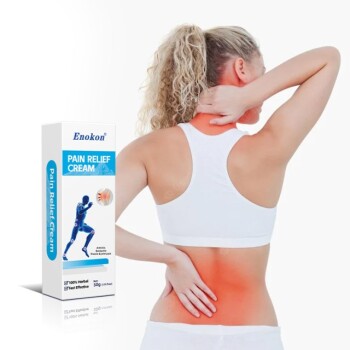
- Natural Herbal Tube Cream for Pain Relief Analgesic Cream
People Also Ask
- What safety precautions should be followed when using topical pain relievers? Essential Guidelines for Safe Pain Relief
- What factors determine the effectiveness of a topical pain reliever? Match the Active Ingredient to Your Pain
- What is the takeaway regarding natural and herbal pain relief patches? Discover Safer, Targeted Pain Relief
- What are the advantages of natural and herbal pain relief patches? Get Targeted Relief with Fewer Side Effects
- Are natural and herbal pain relief patches effective and safe? Discover the Benefits of Targeted Relief