
A number of common medications can interact with granisetron transdermal to cause a rare but serious condition called serotonin syndrome. These include certain antidepressants, migraine medications (triptans), opioid pain relievers, and even other anti-nausea drugs. Herbal supplements like St. John's wort and specific drugs like lithium and ritonavir also pose a risk.
The core issue is an overload of serotonin, a key chemical in your brain and body. Granisetron works by blocking serotonin receptors, and when combined with other drugs that increase serotonin levels, the system can become dangerously overwhelmed.
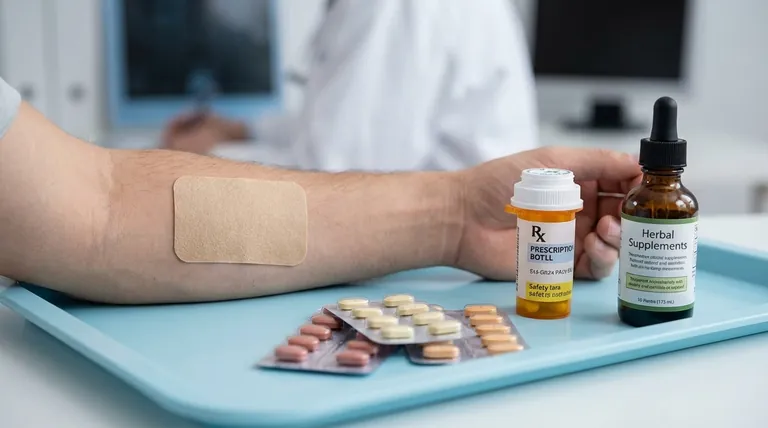
The Mechanism: Why This Interaction Occurs
To understand the risk, it's helpful to know how these medications work. The interaction is not an allergic reaction but a predictable outcome of combining drugs with similar effects on the body's serotonin system.
What is Serotonin?
Serotonin is a neurotransmitter that plays a crucial role in regulating mood, digestion, sleep, and blood clotting. Your body needs a balanced level of serotonin to function correctly.
Granisetron's Role
Granisetron is a serotonin 5-HT3 receptor antagonist. It works by blocking specific serotonin receptors in the gut and brain, which is highly effective at preventing the nausea and vomiting caused by chemotherapy or surgery.
The Impact of Other Drugs
Many other medications, known as serotonergic drugs, work by increasing the amount of available serotonin in your system. This is often done to treat depression, anxiety, or migraines.
The Collision Point
Serotonin syndrome occurs when you combine a serotonin blocker like granisetron with a drug that increases serotonin levels. This creates a state of excess serotonin activity, leading to a wide range of potentially dangerous symptoms.
Key Drug Classes That Increase Risk
It is critical to be aware of the specific medications and supplements that can contribute to this interaction. Always inform your healthcare provider of everything you are taking.
Antidepressants
This is one of the most common categories of interacting drugs. They are often designed specifically to increase serotonin. Watch for SSRIs (like fluoxetine, sertraline), SNRIs (like duloxetine, venlafaxine), and MAOIs.
Migraine Medications
A class of drugs called triptans (like sumatriptan) are very effective for migraines but also work on the serotonin system, creating a significant risk when combined with granisetron.
Opioid Pain Relievers
Certain narcotic medications, such as tramadol, meperidine, and fentanyl, can increase serotonin levels and contribute to the risk.
Other Substances of Concern
Several other medications and supplements can be problematic. These include lithium (a mood stabilizer), ritonavir (an HIV medication), and the herbal supplement St. John's wort.
Other Anti-Nausea Medications
Using granisetron with other anti-nausea drugs that also affect serotonin, such as ondansetron (Zofran), can also elevate the risk.
Recognizing the Signs of Serotonin Syndrome
Knowing the symptoms is the most important step in seeking timely medical help. Symptoms often begin within hours of taking a new medication or increasing a dose.
Mild to Moderate Symptoms
- Agitation, restlessness, or anxiety
- Confusion or disorientation
- Rapid heart rate and high blood pressure
- Dilated pupils
- Muscle twitching, rigidity, or loss of coordination
Severe, Life-Threatening Symptoms
- High fever
- Seizures
- Irregular heartbeat
- Loss of consciousness
Severe symptoms constitute a medical emergency and require immediate attention.
How to Apply This Knowledge Safely
Your safety depends on clear communication and vigilance. The goal is not to create fear, but to empower you to be a proactive partner in your own healthcare.
- If you are about to start granisetron: Provide your doctor and pharmacist with a complete list of every prescription, over-the-counter drug, and supplement you take.
- If you are already using the granisetron patch: Do not start any new medication or supplement, especially St. John's wort, without first clearing it with your healthcare provider.
- If you notice any potential symptoms: Contact your doctor immediately. If symptoms feel severe, such as high fever or confusion, seek emergency medical care without delay.
Ultimately, proactive communication with your healthcare team is the single most effective tool for preventing this serious interaction.
Summary Table:
| Drug Class | Examples of Interacting Medications |
|---|---|
| Antidepressants | SSRIs (fluoxetine, sertraline), SNRIs (duloxetine, venlafaxine), MAOIs |
| Migraine Medications | Triptans (sumatriptan) |
| Opioid Pain Relievers | Tramadol, meperidine, fentanyl |
| Other Substances | Lithium, ritonavir, St. John's wort, other anti-nausea drugs (ondansetron) |
Ensure patient safety with reliable transdermal delivery.
As a bulk manufacturer of high-quality transdermal patches for healthcare and pharmaceutical distributors, Enokon provides the technical expertise and custom R&D necessary to develop and produce dependable drug delivery systems. Partner with us to ensure the integrity and safety of your transdermal products.
Contact our experts today to discuss your transdermal patch development and manufacturing needs.
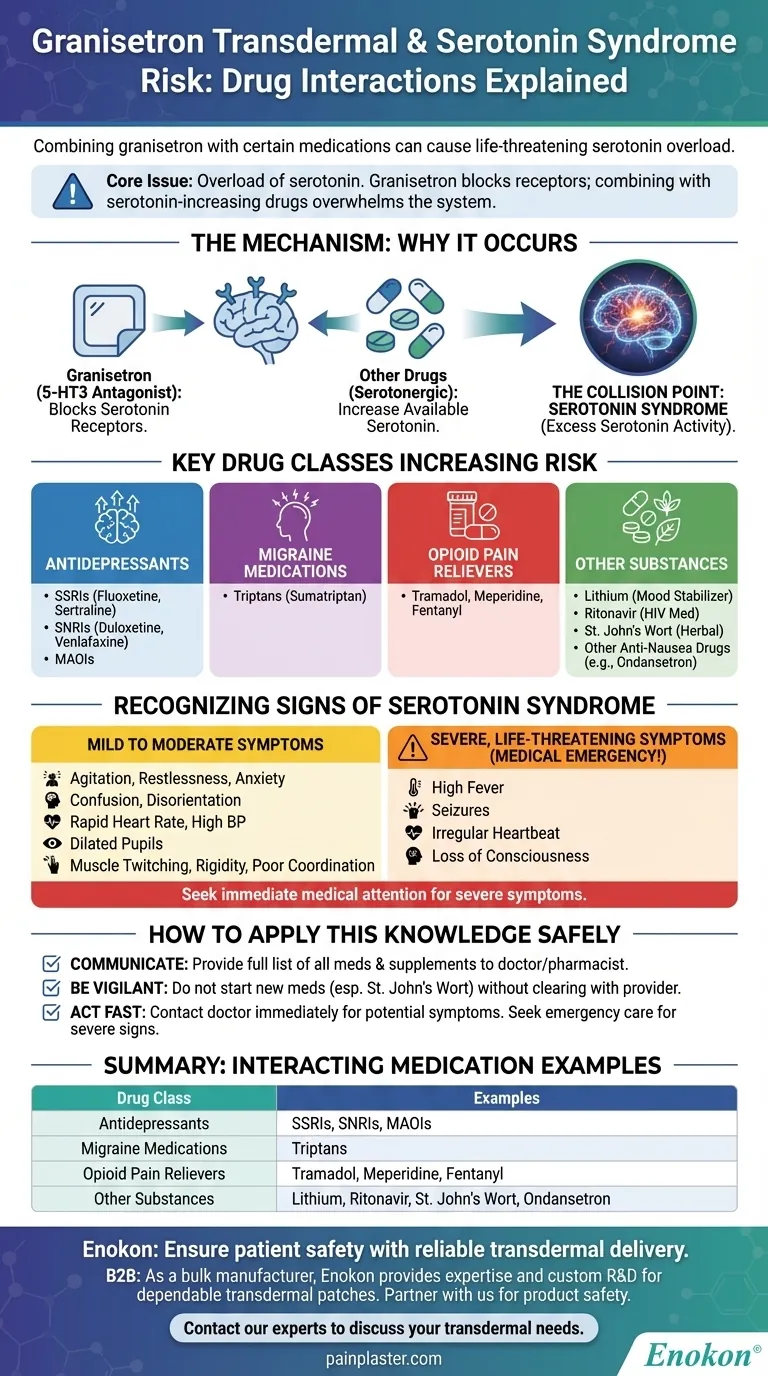
Visual Guide
Related Products
- Far Infrared Heat Pain Relief Patches Transdermal Patches
- Silicone Scar Sheets Patch Transdermal Drug Patch
- Icy Hot Menthol Medicine Pain Relief Patch
- Menthol Gel Pain Relief Patch
- Mugwort Wormwood Pain Relief Patch for Neck Pain
People Also Ask
- Why is the selection of matrix materials critical when developing customized transdermal patches? Optimize Efficacy
- What are the physical impacts of external heat exposure on the performance and safety of transdermal patches? - Guide
- What are the clinical advantages of local transdermal delivery systems? Unlock Safer, More Effective Pain Relief Solutions
- What role does a skin tolerance scoring system play in the safety evaluation of transdermal patches? Key Safety Metrics
- How does high-purity far-infrared ceramic powder contribute to the efficacy of far-infrared physical therapy patches?














