The pressure-sensitive adhesive (PSA) is the fundamental engine of the drug-in-adhesive transdermal patch. In this specific manufacturing architecture, the PSA serves the dual role of the active drug reservoir and the skin-contact adhesive mechanism. By integrating the medication directly into the adhesive layer, manufacturers create a streamlined, multi-functional system that ensures both structural integrity and consistent therapeutic delivery.
The PSA's dual functionality eliminates the need for separate drug layers, allowing for a thinner, more "patient-friendly" patch profile. This integration is critical for high-volume manufacturing, as it simplifies the production process while maintaining precise control over drug release kinetics.
The Engineering Foundation: PSA as a Functional Matrix
The PSA as a High-Capacity Drug Reservoir
In this manufacturing method, the API (Active Pharmaceutical Ingredient) is either dissolved or dispersed directly into the medical-grade adhesive. This transforms the adhesive into a carrier matrix, where the specific cross-linking structure of materials like polyacrylates, silicones, or polyisobutylene regulates how drug molecules migrate to the skin.
The PSA as a Reliable Adhesion Mechanism
Simultaneously, the PSA must maintain a firm and lasting connection with the skin throughout the entire administration period. This ensures a continuous delivery pathway, preventing "edge lift" or patch detachment which could lead to inconsistent dosing or treatment failure.
Enhancing Patient Compliance through Design
By merging these two roles, the patch becomes thinner and more flexible, significantly improving the user experience. For brand owners, this simplified architecture translates to higher patient adherence and a competitive advantage in the retail and clinical markets.
Strategic Value for Scalable Manufacturing
Architecture Simplification and Cost Efficiency
Utilizing the PSA as a dual-purpose layer reduces the number of components required in the GMP-certified manufacturing process. This streamlined design minimizes material waste and speeds up production cycles, making it the ideal choice for high-volume OEM/ODM projects.
Precision Control of Drug Release Kinetics
Advanced R&D allows for the customization of the adhesive’s physicochemical properties to suit specific drug profiles. By adjusting the adhesive's chemical makeup, engineers can fine-tune the diffusion rate, ensuring the drug is released at a steady, predictable pace over several days.
Ensuring Safety and Skin Compatibility
Modern PSAs are engineered for low allergenicity, reducing the risk of skin irritation during prolonged wear. High-quality formulations ensure the patch can be removed without leaving a sticky residue or causing skin trauma, which is a hallmark of premium brand-name products.
Understanding the Trade-offs and Pitfalls
Drug-Adhesive Compatibility Challenges
One of the primary risks in this method is the chemical interaction between the drug and the adhesive. Certain APIs can act as plasticizers, softening the adhesive to the point where it loses "shear strength," causing the patch to slide or leave residue on the skin.
Saturation and Crystallization Risks
If the drug concentration in the adhesive matrix exceeds its solubility limit, the API may crystallize over time. This not only compromises the patch's professional appearance but can also drastically alter the drug delivery rate, leading to potential regulatory and safety issues.
Balancing Tack and Long-term Adhesion
Developing a PSA that provides immediate "tack" (initial stickiness) while maintaining long-term adhesion is a complex balancing act. If the adhesive is too aggressive, it may cause discomfort upon removal; if it is too weak, it will fail to complete the required dosage cycle.
Choosing the Optimal PSA Strategy for Your Portfolio
Strategic Recommendations for Brand Owners
Selecting the right adhesive strategy is a critical business decision that impacts both production costs and end-user satisfaction.
- If your primary focus is rapid market entry with a standard API: Utilize proven, off-the-shelf polyacrylate adhesives to minimize R&D timelines and leverage existing stability data.
- If your primary focus is a premium, long-wear product (3-7 days): Invest in custom silicone-based PSA formulations that offer superior breathability and moisture resistance for extended skin contact.
- If your primary focus is a high-potency or chemically sensitive drug: Partner with a turnkey R&D provider to develop a specialized matrix that prevents drug degradation and ensures precise release kinetics.
The integration of the drug into the adhesive layer represents the pinnacle of efficient transdermal design, offering a scalable solution that meets both clinical requirements and consumer expectations.
Summary Table:
| Dual Role of PSA | Functional Purpose | Key Manufacturing Advantage |
|---|---|---|
| Drug Reservoir | Dissolves and carries the API (Active Pharmaceutical Ingredient). | Eliminates separate layers for a thinner, patient-friendly profile. |
| Adhesion Mechanism | Maintains continuous, firm contact with the skin surface. | Prevents edge lift and ensures consistent drug delivery kinetics. |
| Control Matrix | Regulates the diffusion rate of medication via cross-linking. | Simplifies GMP production and reduces material waste for high-volume. |
Partner with Enokon for High-Performance Transdermal Manufacturing
As a trusted global brand and manufacturer, Enokon provides brand owners, distributors, and B2B resellers with the R&D expertise needed to master the complex dual role of PSAs. We specialize in turnkey OEM/ODM solutions and high-volume production within our GMP-certified facilities, ensuring your products meet stringent quality standards and regulatory requirements.
Why Choose Enokon?
- Custom R&D & Formulations: Precise engineering of drug-in-adhesive matrices to prevent crystallization and optimize release.
- Massive Production Capacity: Reliable delivery for large-scale wholesale needs.
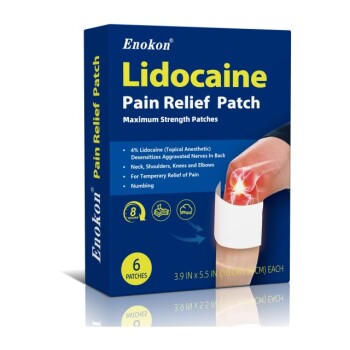
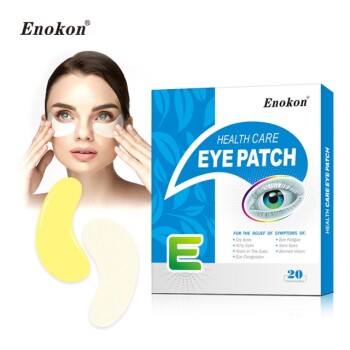
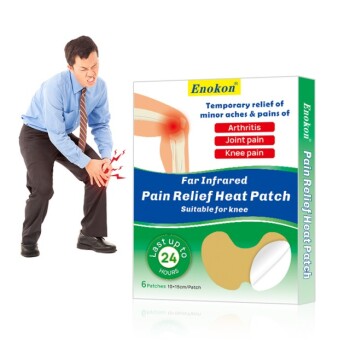
- Comprehensive Product Range: We produce Lidocaine, Menthol, Capsicum, Herbal, and Far Infrared pain relief patches, plus Eye Protection, Detox, and Medical Cooling Gel patches (Note: We do not offer microneedle technology).
- Global Compliance: Certified manufacturing for international market entry.
Ready to scale your product line with a reliable manufacturing partner? Contact our experts today to discuss your custom project!
References
- Ms. Pratima Pathak1*, Dr. Anand Mahalwar2. A REVIEW ON TRANSDERMAL DRUG DELIVERY OF NSAIDS: MECHANISTIC INSIGHTS AND FORMULATION STRATEGIES. DOI: 10.5281/zenodo.17539714
This article is also based on technical information from Enokon Knowledge Base .
Related Products
- Silicone Scar Sheets Patch Transdermal Drug Patch
- Far Infrared Heat Pain Relief Patches Transdermal Patches
- Icy Hot Menthol Medicine Pain Relief Patch
- Menthol Gel Pain Relief Patch
- Mugwort Wormwood Pain Relief Patch for Neck Pain
People Also Ask
- What is the function of PDMS-NH2 in silicone patches? Catalyzing Room-Temp Curing for Heat-Sensitive APIs
- What role does a silicone-based transdermal delivery system play in Parkinson's? Enhancing Early-Stage Patient Care
- Why is TEOS used as a cross-linking agent in silicone transdermal patches? Ensure Structural Integrity & Drug Stability
- How do PEG 200 and Glycerol modify silicone transdermal patches? Optimize Drug Release and Patch Flexibility
- How is the long-term skin tolerance of silicone-based transdermal patches evaluated in clinical settings? R&D and Safety