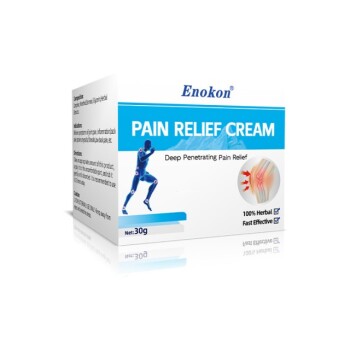
The primary objective of implementing Drug Delivery System (DDS) technology in pain management is to optimize the administration pathways of analgesics to ensure they act precisely at the source of pain while maintaining stable blood concentrations. By utilizing advanced routes such as transdermal or transmucosal delivery, DDS minimizes systemic side effects and bypasses the physiological barriers common in oral administration. This precision-driven approach significantly improves patient quality of life and medication adherence through consistent, long-acting relief.
DDS technology shifts pain management from variable, reactive dosing to a controlled, proactive delivery model. For brand owners and distributors, this represents a high-value category of R&D-intensive products designed to solve complex clinical challenges through superior manufacturing and formulation.
Optimizing Clinical Outcomes Through Precision
Achieving Constant Therapeutic Concentrations
Advanced DDS technology, particularly in transdermal patches, is engineered to deliver active pharmaceutical ingredients (APIs) at a constant, predetermined rate. This eliminates the "peak and trough" fluctuations associated with oral tablets, providing stable, around-the-clock analgesia.
Minimizing Systemic Side Effects
By targeting specific absorption routes, DDS allows for effective pain relief with lower systemic exposure. This is crucial for reducing common side effects like nausea or sedation, which often lead to patients discontinuing their medication.
Enhancing Medication Adherence
The long-acting nature of DDS products reduces the frequency of dosing required by the patient. For distributors and healthcare providers, this translates to improved patient compliance and better overall therapeutic outcomes.
Overcoming the Limitations of Oral Administration
Bypassing the Hepatic First-Pass Effect
Traditional oral medications must pass through the liver, where a significant portion of the drug is metabolized before reaching the bloodstream. Transdermal and transmucosal systems bypass the hepatic first-pass effect, ensuring higher bioavailability of the analgesic.
Addressing Gastrointestinal Barriers
Patients suffering from gastrointestinal obstructions or persistent vomiting cannot effectively use oral pain medications. DDS technology provides diverse absorption routes that ensure these patients still receive necessary pain management without taxing the digestive system.
Reliable Delivery for Opioid-Tolerant Patients
For specialized treatments, such as fentanyl patches, DDS is designed to maintain stable blood concentrations in opioid-tolerant patients. This level of control is essential for managing chronic, severe pain where consistency is a matter of safety and efficacy.
Strategic Advantage for Enterprise Partners
Turnkey R&D and Custom Formulations
Implementing DDS requires significant R&D prowess to balance drug concentration with skin permeability. Partnering with an OEM/ODM specialist allows brand owners to develop custom formulations that meet specific market needs without the overhead of internal research.
Scalable, GMP-Certified Manufacturing
High-volume delivery of DDS products requires stringent quality control and massive production capacity. Utilizing GMP-certified facilities ensures that every unit meets global regulatory standards, protecting brand reputation and ensuring supply chain reliability.
Global Certifications and Market Access
For wholesalers and B2B resellers, products backed by comprehensive global certifications are essential for entering international markets. Professional manufacturing partners provide the necessary documentation and quality assurance to facilitate smooth cross-border distribution.
Understanding the Trade-offs
Delays in Initial Therapeutic Onset
Controlled-release systems, such as transdermal patches, often take 12 hours or more to reach therapeutic levels in the blood. They are designed for chronic pain management rather than immediate, acute relief, requiring clear communication with end-users regarding onset timing.
Complex Manufacturing Requirements
DDS products are more technically demanding to produce than standard oral solids, leading to higher initial development costs. However, this complexity creates a higher barrier to entry for competitors, offering better long-term market protection for established brands.
Skin Sensitivity and Absorption Variables
Individual patient factors, such as skin thickness or local temperature, can affect the absorption rate of transdermal systems. Manufacturers must employ rigorous testing to ensure the delivery mechanism remains consistent across a broad demographic of users.
Making the Right Choice for Your Portfolio
Strategic Recommendations for Partners
- If your primary focus is Market Differentiation: Invest in custom-formulated transdermal patches that offer unique API combinations or proprietary delivery speeds to stand out from generic competitors.
- If your primary focus is Supply Chain Reliability: Partner with a high-volume manufacturer that maintains massive production capacity and GMP certification to ensure consistent stock levels for large-scale distribution.
- If your primary focus is Clinical Superiority: Prioritize DDS products that utilize advanced R&D to bypass the first-pass effect, offering patients a demonstrably better experience with fewer side effects.
By leveraging advanced DDS technology, brand owners can deliver high-precision pain management solutions that combine clinical excellence with large-scale commercial viability.
Summary Table:
| Key Objective | Clinical Benefit | Strategic Business Advantage |
|---|---|---|
| Constant API Release | Eliminates dosing fluctuations | Premium, high-value product positioning |
| Bypassing Metabolism | Higher drug bioavailability | Proprietary R&D & complex formulations |
| Reduced Side Effects | Better patient compliance | Clinical superiority & brand loyalty |
| Targeted Delivery | Minimizes systemic exposure | Higher market entry barriers for rivals |
Scale Your Pain Relief Portfolio with Enokon
Elevate your brand with Enokon, your trusted OEM/ODM manufacturer for high-precision transdermal solutions. We specialize in enterprise-level production of Lidocaine, Menthol, Capsicum, Herbal, and Far Infrared pain relief patches, as well as Eye Protection and Medical Cooling Gel products (excluding microneedle technology).
Why Partner with Us?
- Turnkey R&D: Custom formulations designed to meet your specific clinical and market needs.
- Massive Production Scale: Reliable high-volume delivery from state-of-the-art, GMP-certified facilities.
- Global Quality Standards: Stringent QC and comprehensive certifications to ensure seamless international distribution.
Ready to secure a competitive edge with high-performance transdermal products? Contact our expert team today to request a quote.
References
- Yoshihisa Matsumoto, Hiroya Kinoshita. Current development in analgesic administration routes. DOI: 10.2745/dds.26.476
This article is also based on technical information from Enokon Knowledge Base .
Related Products
- Mugwort Wormwood Pain Relief Patch for Neck Pain
- Icy Hot Menthol Medicine Pain Relief Patch
- Hydra Gel Health Care Eye Patch
- Lidocaine Hydrogel Pain Relief Patch for Pain Relief
- Far Infrared Heat Pain Relief Patches Transdermal Patches
People Also Ask
- How do pain relief patches compare to oral painkillers? Targeted Relief vs. Systemic Effects
- What is the purpose of pain relief patches? Get Targeted Relief with Fewer Side Effects
- Are pain relief pills and patches available without a prescription? Choose the Right OTC Pain Relief
- What are pain relief patches and how are they used? A Guide to Safe, Targeted Relief
- How should pain relief patches be applied and used? A Guide to Safe & Effective Targeted Relief