
Transdermal patches are a convenient and effective method for delivering medication, but proper usage is crucial to ensure safety and efficacy. Key prevention tips include hand hygiene, proper application techniques, safe disposal, and avoiding unsuitable skin areas. Additionally, considerations like allergies, pediatric/geriatric safety, and breastfeeding risks should be evaluated before use. Following these guidelines helps maximize benefits while minimizing potential risks.
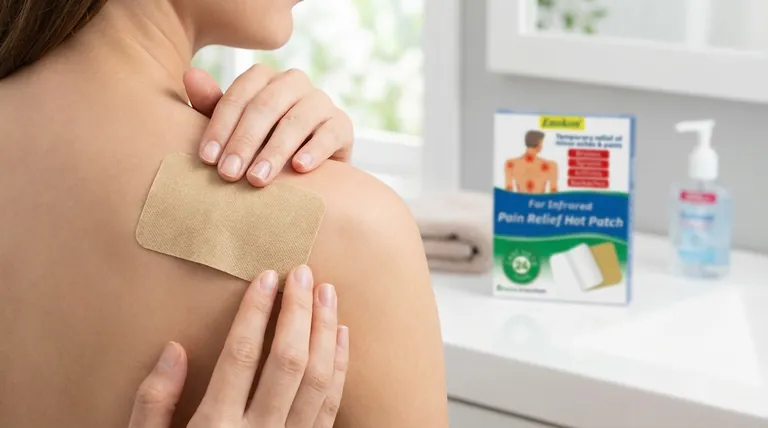
Key Points Explained:
-
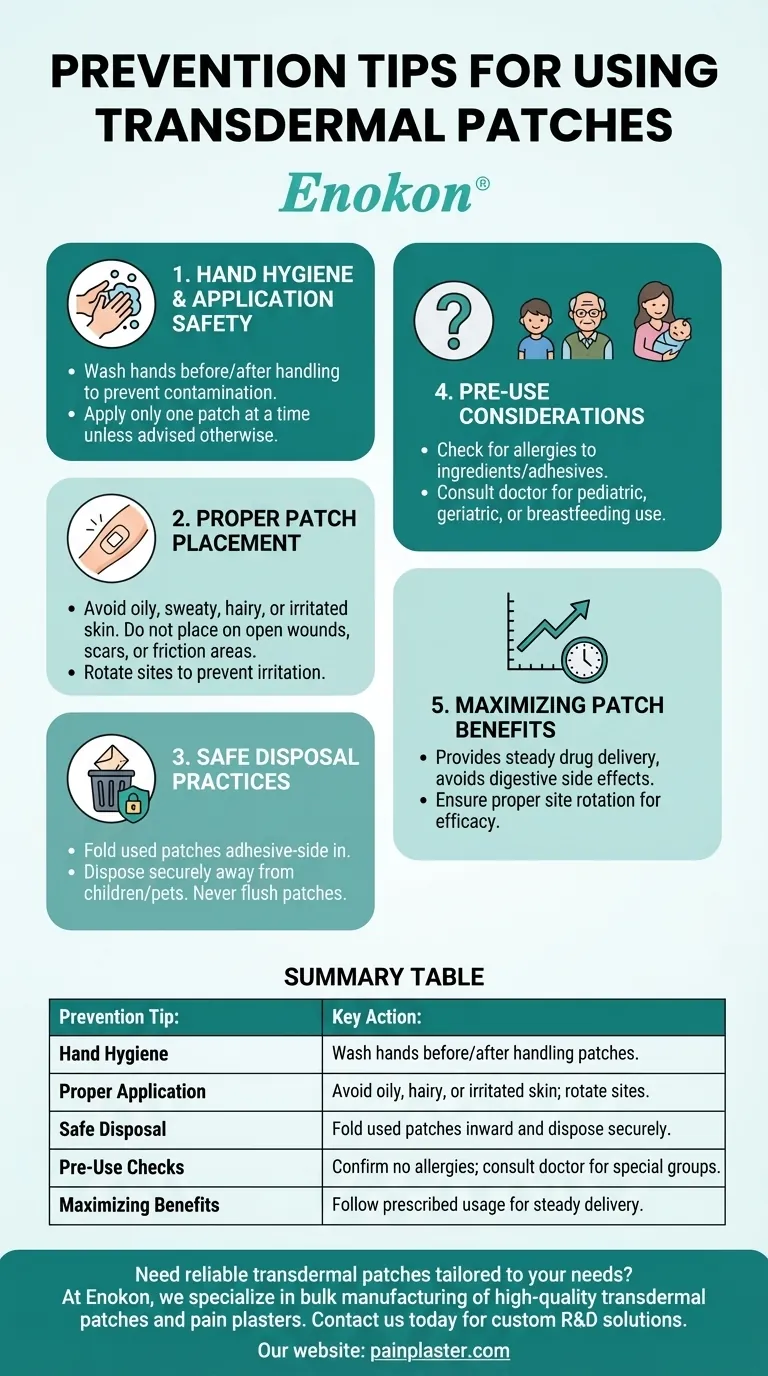
Hand Hygiene and Application Safety
- Always wash hands before and after handling a transdermal patch to prevent contamination or accidental exposure to medication.
- Apply only one patch at a time unless a healthcare provider advises otherwise to avoid overdose or adverse effects.
-
Proper Patch Placement
- Avoid applying patches to oily, sweaty, hairy, or irritated skin, as this can reduce adhesion and absorption.
- Do not place patches on open wounds, scars, or areas prone to friction (e.g., under tight clothing or belts).
- If the recommended site is unsuitable (e.g., recently shaved skin), wait at least three days or consult a doctor for alternatives.
-
Safe Disposal Practices
- Fold used patches adhesive-side in to prevent accidental contact with children or pets.
- Dispose of them in a secure trash bin, away from reach. Never flush patches, as they may contain residual medication.
-
Pre-Use Considerations
- Check for allergies to the patch’s active ingredients or adhesives.
- Consult a healthcare provider for pediatric, geriatric, or breastfeeding patients, as safety data may be limited.
-
Maximizing Patch Benefits
- Transdermal patches provide steady drug delivery, avoid digestive side effects, and improve adherence.
- Ensure proper rotation of application sites to prevent skin irritation or reduced efficacy over time.
By adhering to these guidelines, users can safely leverage the convenience of transdermal patches while minimizing risks. Have you considered how these small steps contribute to the broader safety of medication administration in daily life?
Summary Table:
| Prevention Tip | Key Action |
|---|---|
| Hand Hygiene | Wash hands before/after handling patches to prevent contamination. |
| Proper Application | Avoid oily, hairy, or irritated skin; rotate sites to prevent irritation. |
| Safe Disposal | Fold used patches inward and dispose securely to protect children/pets. |
| Pre-Use Checks | Confirm no allergies; consult a doctor for pediatric/geriatric/breastfeeding use. |
| Maximizing Benefits | Follow prescribed usage to ensure steady drug delivery and avoid side effects. |
Need reliable transdermal patches tailored to your needs?
At Enokon, we specialize in bulk manufacturing of high-quality transdermal patches and pain plasters for healthcare distributors and brands. Our technical expertise ensures custom R&D solutions for optimal drug delivery and patient safety. Contact us today to discuss your requirements and benefit from our industry-leading formulations!
Visual Guide
Related Products
- Far Infrared Heat Pain Relief Patches Transdermal Patches
- Silicone Scar Sheets Patch Transdermal Drug Patch
- Icy Hot Menthol Medicine Pain Relief Patch
- Menthol Gel Pain Relief Patch
- Mugwort Wormwood Pain Relief Patch for Neck Pain
People Also Ask
- Why is the selection of matrix materials critical when developing customized transdermal patches? Optimize Efficacy
- What are the clinical advantages of local transdermal delivery systems? Unlock Safer, More Effective Pain Relief Solutions
- What are the physical impacts of external heat exposure on the performance and safety of transdermal patches? - Guide
- What role does a skin tolerance scoring system play in the safety evaluation of transdermal patches? Key Safety Metrics
- How does high-purity far-infrared ceramic powder contribute to the efficacy of far-infrared physical therapy patches?



















