The polymer hydrogel matrix is the functional engine of a transdermal patch, serving as both a high-capacity reservoir for active ingredients and a precision-engineered regulator for their release. By absorbing hundreds of times its weight in water, this cross-linked network hydrates the skin's outer layer to maximize permeability while providing a cooling, soothing sensation. For brand owners and distributors, this matrix represents the core intellectual property that determines a product’s clinical efficacy, shelf stability, and overall consumer experience.
The polymer hydrogel matrix functions as a sophisticated delivery platform that simultaneously provides structural integrity, controls drug diffusion rates, and enhances skin penetration through high hydration. It is the critical component that transforms a simple adhesive strip into a high-performance medical or cosmetic delivery system.
The Matrix as a Precision Release Regulator
Engineering Sustained Kinetic Profiles
The primary role of the polymer matrix is to control the diffusion rate of active pharmaceutical ingredients (APIs) into the systemic circulation. By manipulating the molecular weight and cross-linking density of polymers like HPMC or polyacrylates, R&D teams can ensure a steady-state release that maintains stable blood concentration levels over many hours.
Preventing Ingredient Crystallization
A high-quality matrix ensures that APIs remain uniformly dispersed and chemically stable throughout the product's shelf life. Advanced formulations prevent drug crystallization, a common failure point in low-end patches that can lead to unpredictable dosing and reduced efficacy.
Enhancing Skin Permeability and Comfort
Reducing Stratum Corneum Resistance
The hydrogel matrix promotes the swelling of the stratum corneum by maintaining a high state of hydration at the application site. This process significantly lowers the skin's natural resistance, allowing larger or more complex molecules to penetrate the barrier more efficiently than traditional topical creams.
The Thermal and Sensory Advantage
Unlike traditional adhesive patches, hydrogel matrices provide an immediate cooling and soothing effect upon contact. This sensory benefit is highly valued in the consumer market, particularly for pain relief, fever reduction, or post-procedural skin recovery products.
Structural Integrity and Manufacturing Scalability
Maintaining Physical Form and Adhesion
The matrix acts as the skeletal framework of the patch, providing the necessary mechanical properties to withstand movement without losing shape. This structural stability is essential for maintaining a constant contact area, which is a prerequisite for predictable dosing.
Turnkey Scalability for Global Brands
From a manufacturing perspective, the matrix must be optimized for high-volume production in GMP-certified facilities. Leading OEM partners utilize specialized synthesis techniques to ensure that the matrix remains chemically inert relative to the API while allowing for rapid, large-scale coating and conversion.
Understanding the Trade-offs
Balancing Drug Loading vs. Physical Stability
Increasing the drug-loading capacity of a matrix can sometimes compromise its structural cohesive strength. If the matrix is overloaded, it may become too soft or "ooze" from the edges of the patch during storage or application.
Moisture Sensitivity and Shelf Life
Because hydrogels are inherently hydrophilic, they are more sensitive to environmental humidity than simple adhesive-only patches. This requires sophisticated primary packaging—often multi-layer foil laminates—to ensure the matrix does not dry out or absorb excess moisture before use.
How to Apply This to Your Project
Selecting the Right Matrix Strategy
When developing a transdermal product line, the choice of matrix should align with your specific therapeutic goals and target market expectations.
- If your primary focus is rapid-onset pain relief: Prioritize matrices with high water content and cooling agents to provide immediate sensory feedback while the API begins to penetrate.
- If your primary focus is long-term (24-72 hour) delivery: Opt for a high-density polymer matrix with specific glass transition temperatures to ensure a slow, linear release of the active ingredient.
- If your primary focus is sensitive skin or pediatric use: Select pharmacologically neutral, biocompatible polymers that minimize the risk of contact dermatitis or adhesive trauma.
- If your primary focus is global market penetration: Ensure your manufacturing partner utilizes GMP-certified processes and provides comprehensive stability testing to meet international regulatory standards.
The sophisticated interplay between polymer chemistry and skin physiology makes the hydrogel matrix the most vital element in achieving a reliable, high-performing transdermal delivery solution.
Summary Table:
| Key Function | Technical Mechanism | Strategic Benefit for Brands |
|---|---|---|
| Precision Release | Controlled diffusion via cross-linking density | Ensures steady-state delivery and consistent dosing. |
| Skin Permeability | High hydration of the stratum corneum | Increases absorption efficiency for complex active ingredients. |
| Formula Stability | Uniform API dispersion within the network | Prevents crystallization and extends product shelf life. |
| Sensory Comfort | Hydrophilic cooling and soothing effect | Enhances user experience, ideal for pain and recovery. |
| Structural Integrity | Mechanical skeletal framework | Maintains patch shape and constant contact area during use. |
Partner with Enokon for High-Performance Transdermal Solutions
Elevate your product line with Enokon, a trusted global manufacturer and R&D leader in transdermal technology. We specialize in helping brand owners, distributors, and wholesalers scale their business through advanced formulation and massive production capacity.
Why choose Enokon as your OEM/ODM partner?
- Expert R&D & Custom Formulations: Our team optimizes polymer hydrogel matrices tailored to your specific therapeutic needs.
- Turnkey Manufacturing Scale: GMP-certified facilities capable of reliable, high-volume delivery to meet global demand.
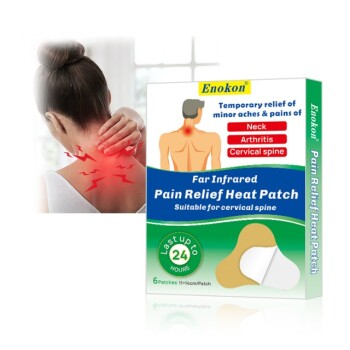
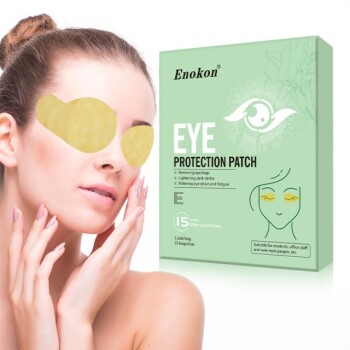
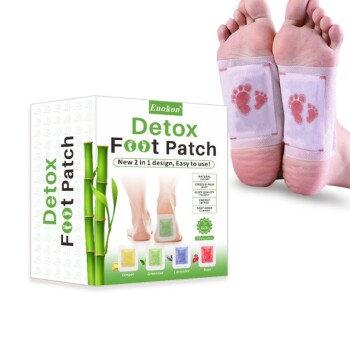
- Comprehensive Product Range: High-quality patches for Pain Relief (Lidocaine, Menthol, Capsicum), Detox, Eye Protection, and Medical Cooling Gel (excluding microneedle technology).
- Proven Reliability: Stringent quality control and global certifications ensure your brand maintains the highest standards.
Ready to develop your next market-leading transdermal product?
Contact Our R&D Team Today
References
- Sathyashankara Sharma, SHUBHAM TANDON. ENHANCING TRANSDERMAL DELIVERY OF POORLY WATER-SOLUBLE NSAIDS: EFFECTIVE STRATEGIES. DOI: 10.22159/ijcpr.2024v16i6.5070
This article is also based on technical information from Enokon Knowledge Base .
Related Products
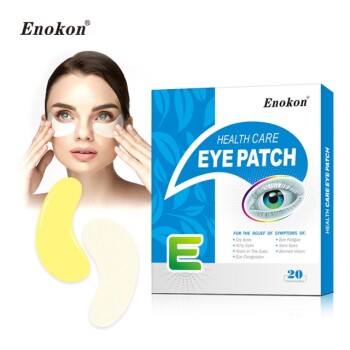
- Hydra Gel Health Care Eye Patch
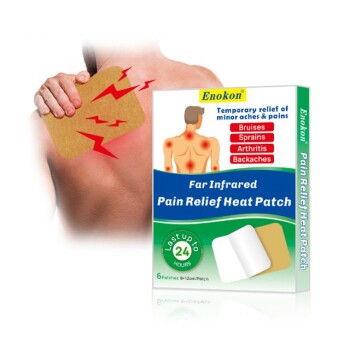
- Far Infrared Heat Pain Relief Patches Transdermal Patches
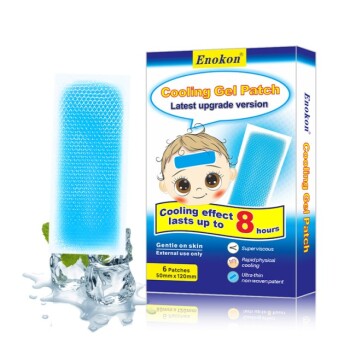
- Medical Cooling Gel Patches for Fever Cooling Patches
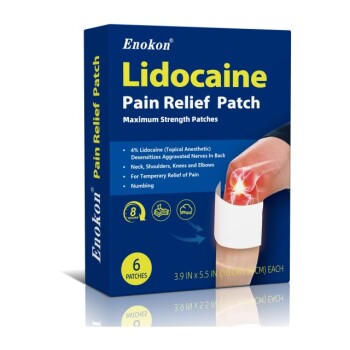
- Lidocaine Hydrogel Pain Relief Patch for Pain Relief
- Silicone Scar Sheets Patch Transdermal Drug Patch
People Also Ask
- How do environmental temperature and humidity synergize with eye protection? Master Ocular Care with Advanced R&D
- How is a digital torque meter used to evaluate the performance of hydrogel patch matrices? Ensure Residue-Free Quality
- Why is gelatin incorporated as a functional component in the synthesis of hydrogel patch matrices? Enhance Bio-Synergy
- What is the core function of calcium chloride (CaCl2) in hydrogel patches? Ensuring Precision & Manufacturing Scale
- Why is a high-precision probe tack tester used in the quality control of hydrogel patches? Ensure Consistent Adhesion