
In the event of a clonidine patch overdose, your immediate actions are critical. You must remove any and all patches from the skin and then immediately call your local poison control center for expert guidance. If the person has collapsed, is not breathing, or is unresponsive, call 911 or your local emergency services without delay.
A clonidine overdose is a serious medical emergency because the drug can dangerously suppress vital functions like heart rate and breathing. The top priority is to stop further absorption of the medication by removing the patch and then to seek immediate professional medical intervention.
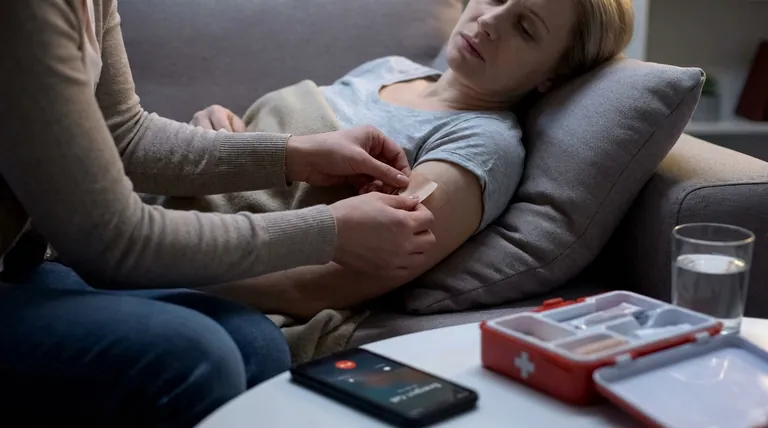
Identifying the Signs of an Overdose
Recognizing the symptoms of a clonidine overdose is the first step toward a proper response. The drug's effects are an exaggeration of its intended purpose—lowering blood pressure and heart rate—and can manifest in several distinct ways.
Key Physical Symptoms
The most telling signs often involve changes in the body's core functions. Look for an abnormally slow heart rate, difficulty breathing, or shivering and cold, pale skin. Another distinct indicator can be pinpoint pupils (pupils that are smaller than normal).
Changes in Consciousness
An overdose can significantly affect a person's mental state. You may observe extreme drowsiness, tiredness, weakness, or confusion. More severe signs include slurred speech and fainting.
The Immediate Action Protocol
If you suspect an overdose has occurred, follow these steps precisely. Time is of the essence.
Step 1: Remove the Source
The first and most important action is to locate and remove all clonidine patches from the person's skin. This stops the body from absorbing any more of the medication.
Step 2: Seek Immediate Medical Help
After removing the patch, call your local poison control center. They are equipped to provide specific instructions for your situation.
If the person has collapsed, is unconscious, or is not breathing, bypass poison control and call 911 or your local emergency services immediately.
Step 3: Ensure Safe Patch Disposal
Once removed, do not simply throw the patch in the trash. Fold it in half with the sticky sides together and dispose of it in a place where children and pets cannot access it. A used patch still contains enough medication to be harmful.
Understanding the Associated Risks
Properly managing clonidine patch therapy involves understanding risks beyond just overdose. Mismanagement can lead to other serious health complications.
The Danger of Abrupt Discontinuation
While removing the patch is essential during an overdose, intentionally stopping the medication suddenly is also dangerous. Abrupt cessation can trigger severe withdrawal symptoms, including a rapid and dangerous rise in blood pressure, nervousness, agitation, headache, and tremors.
In rare cases, sudden withdrawal has been linked to severe outcomes like hypertensive encephalopathy (brain dysfunction due to high blood pressure), stroke, and even death. Always consult a doctor to taper off the medication gradually over several days.
Preventing Accidental Overdose
An overdose can occur by mistakenly applying a new patch without removing the old one. If you miss a dose, simply remove the old patch, apply a new one to a different area as soon as you remember, and then resume your normal schedule. Never apply two patches at once.
Making the Right Choice for Patient Safety
Your approach to clonidine patch therapy should always be guided by caution and a clear understanding of the protocols.
- If you are a patient or caregiver: Know the signs of an overdose, strictly follow the prescribed schedule, and always have the number for your local poison control center accessible.
- If you suspect an overdose is in progress: Act immediately. Remove the patch and call for medical help without waiting for symptoms to worsen.
- If you are considering stopping the medication: Never do so on your own. Work with your doctor to create a safe, gradual tapering plan to avoid severe withdrawal reactions.
Ultimately, your knowledge and swift, decisive action are the most powerful tools for ensuring safety when using this medication.
Summary Table:
| Action | Key Step | Critical Note |
|---|---|---|
| Step 1: Remove Source | Remove all patches from the skin. | Stops further drug absorption. |
| Step 2: Seek Help | Call poison control. If unconscious or not breathing, call 911. | Time is critical; do not wait for symptoms to worsen. |
| Step 3: Dispose Safely | Fold patch sticky sides together and discard safely. | Prevents accidental exposure to children or pets. |
| Recognize Symptoms | Slow heart rate, difficulty breathing, extreme drowsiness, pinpoint pupils. | Early recognition enables faster intervention. |
Ensure the safety and reliability of your transdermal patch supply. As a bulk manufacturer of reliable transdermal patches and pain plasters, Enokon provides healthcare and pharma distributors and brands with products backed by rigorous quality control. Benefit from our technical expertise for custom R&D and development to ensure patient safety and product efficacy. Contact our experts today to discuss your manufacturing needs.
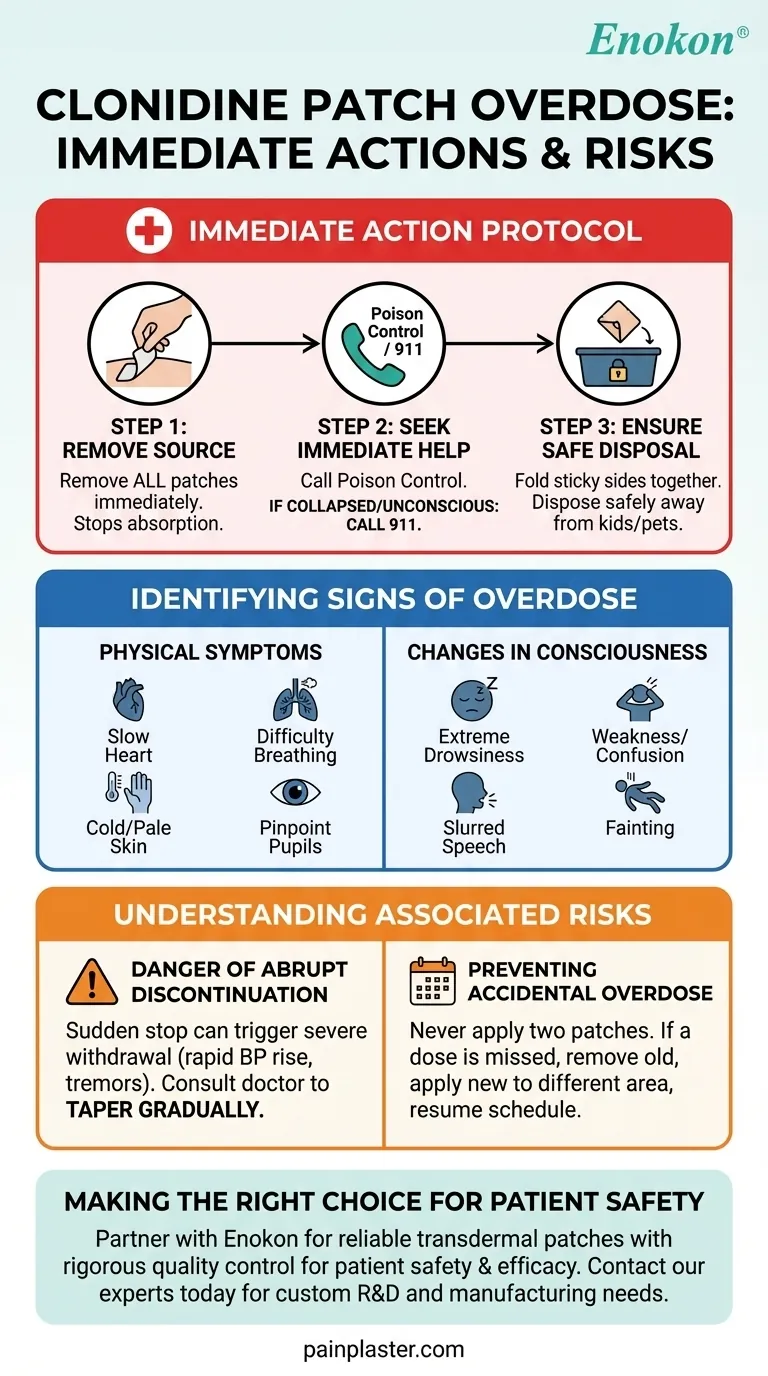
Visual Guide
Related Products
- Lidocaine Hydrogel Pain Relief Patch for Pain Relief
- Herbal Medicated Anti Diarrhea Patch for Digestive Relief
- Menthol Gel Pain Relief Patch
- Asthma Cough and Pain Relief Patch for Adults and Kids
- Icy Hot Menthol Medicine Pain Relief Patch
People Also Ask
- How does the aqueous base in a lidocaine patch contribute to drug delivery? Unlocking Sustained Pain Relief Technology
- What are the advantages of topical anesthetics over invasive Lidocaine infiltration? Discover Safer, Scalable Relief
- Which pain patch is most effective for arthritis? Find the Best Relief for Your Joint Pain
- How should lidocaine patches be applied for optimal use? Maximize Pain Relief with Proper Application
- Why are lidocaine patches preferred over oral medications? Targeted Relief & Scale Your Brand with OEM R&D Solutions



















