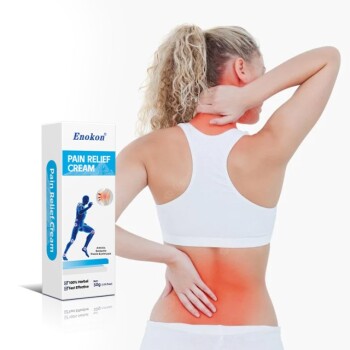
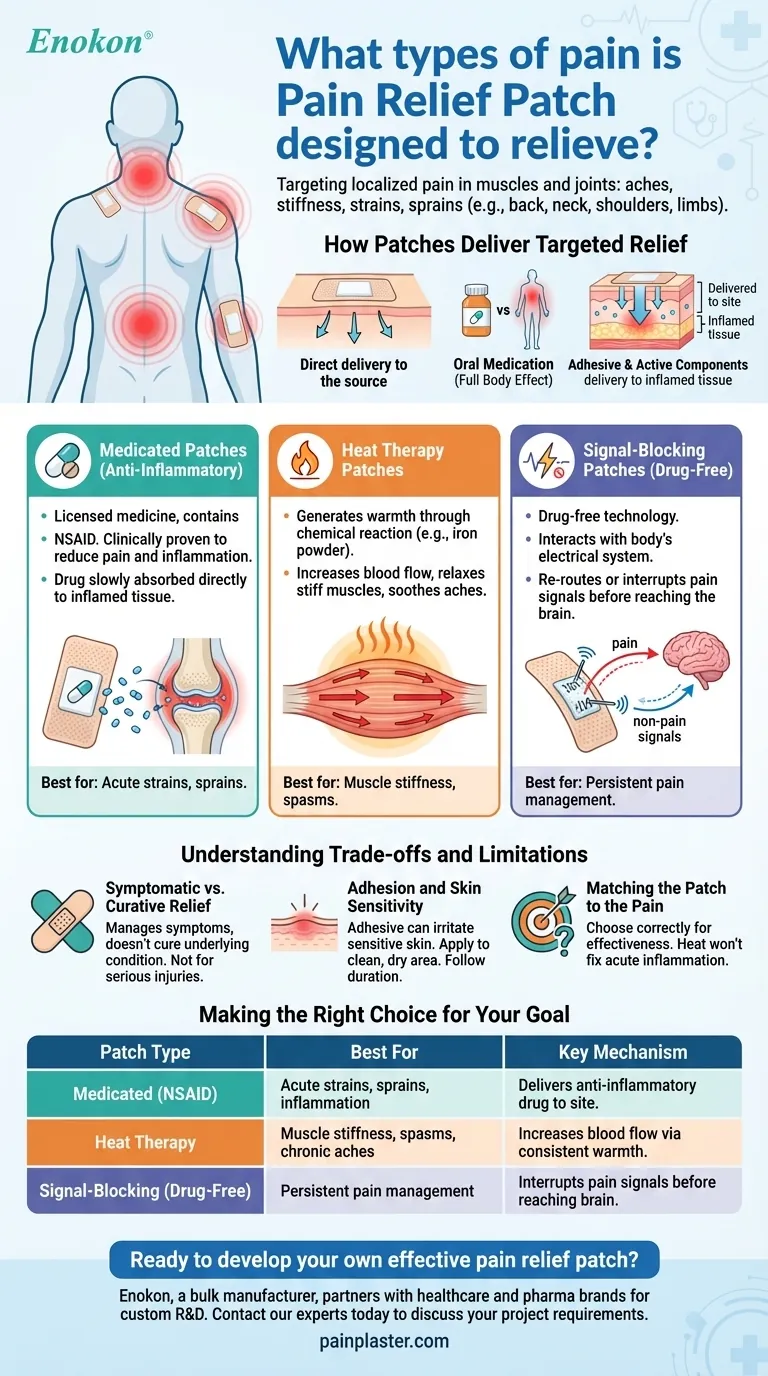
Pain relief patches are specifically designed to target localized pain in muscles and joints. They are most commonly used for the symptomatic relief of aches, stiffness, strains, and sprains affecting areas like the back, neck, shoulders, and limbs.
The term "pain relief patch" covers several distinct technologies, each suited for different types of pain. The key to effective relief is matching the patch's mechanism—whether medicated, heat-based, or signal-blocking—to the specific nature of your discomfort.
How Patches Deliver Targeted Relief
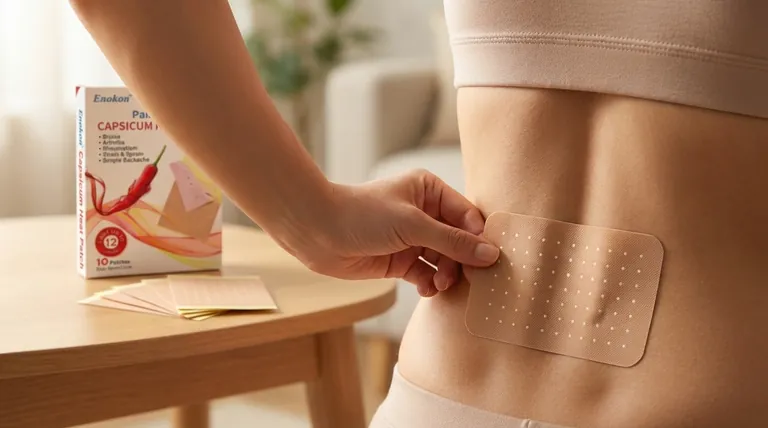
The primary advantage of any pain patch is its ability to deliver relief directly to the source of the pain. This localized action offers a focused alternative to oral medications that affect the entire body.
The Advantage of Direct Application
By adhering to the skin over the affected area, a patch concentrates its effects exactly where they are needed. This method avoids the need for rubbing in creams, which can be painful on a tender injury.
The adhesive backing also keeps the active components or technology in place, preventing contact with clothing and ensuring a consistent, long-lasting effect.
Not All Patches Are Created Equal: Understanding the Mechanisms
The effectiveness of a patch depends entirely on its underlying technology. There are three main categories, each working on a different principle to alleviate pain.
Medicated Patches (Anti-Inflammatory)
These patches are licensed as medicines because they contain a pharmaceutical ingredient, typically a non-steroidal anti-inflammatory drug (NSAID).
They are clinically proven to reduce pain and inflammation associated with strains and joint stiffness. The drug is slowly absorbed through the skin, directly targeting the inflamed tissue beneath.
Heat Therapy Patches
These patches generate warmth through a simple chemical reaction, often using iron powder that heats up when exposed to the air.
The gentle, consistent heat increases blood flow to the painful area. This helps to relax sore, stiff muscles and soothe muscular aches and spasms. They are activated upon opening and provide relief for several hours.
Signal-Blocking Patches (Drug-Free)
This newer category of patch works without introducing any medication or substance into the body. They are designed to interact with the body's electrical system.
Using arrays of microscopic particles, these patches act like antennas that absorb and reroute the body's pain signals. By interrupting these signals before they reach the brain, they provide relief without drugs, making them a reusable and 24/7 option for pain management.
Understanding the Trade-offs and Limitations
While effective for their intended purpose, it's crucial to understand what pain patches can and cannot do.
Symptomatic vs. Curative Relief
Patches are designed for symptomatic relief. They are excellent for managing the pain from common muscular and joint issues but do not cure the underlying condition. For a serious or persistent injury, they are a tool for management, not a replacement for medical diagnosis.
Adhesion and Skin Sensitivity
The adhesive that keeps the patch in place can occasionally cause skin irritation for sensitive individuals. It's important to apply the patch to clean, dry skin and to follow the manufacturer's instructions regarding duration of use.
Matching the Patch to the Pain
Using the wrong type of patch can lead to disappointing results. A simple heat patch, for example, will do little to address the core inflammation of an acute sprain, where a medicated anti-inflammatory patch would be more appropriate.
Making the Right Choice for Your Goal
To select the best patch, identify the primary nature of your pain.
- If your primary focus is inflammation from an acute strain or sprain: A medicated patch containing a clinically proven anti-inflammatory ingredient is your most direct solution.
- If your primary focus is soothing chronic muscle stiffness or spasms: A heat therapy patch is ideal for increasing circulation and relaxing tight, aching muscles.
- If your primary focus is a drug-free, reusable option for managing persistent pain: A signal-blocking patch offers an innovative way to interrupt pain signals without chemicals or side effects.
By understanding how each type of patch works, you can choose the most effective tool to manage your specific pain.
Summary Table:
| Patch Type | Best For | Key Mechanism |
|---|---|---|
| Medicated (NSAID) | Acute strains, sprains, inflammation | Delivers anti-inflammatory drug directly to the site |
| Heat Therapy | Muscle stiffness, spasms, chronic aches | Increases blood flow via gentle, consistent warmth |
| Signal-Blocking (Drug-Free) | Persistent pain management, drug-free option | Interrupts pain signals before they reach the brain |
Ready to develop your own effective pain relief patch?
As a bulk manufacturer of reliable transdermal patches and pain plasters, Enokon partners with healthcare and pharma distributors and brands. Benefit from our technical expertise for custom R&D and development to create a product that precisely targets your customers' pain points.
Contact our experts today to discuss your project requirements.
Visual Guide
Related Products
- Mugwort Wormwood Pain Relief Patch for Neck Pain
- Menthol Gel Pain Relief Patch
- Lidocaine Hydrogel Pain Relief Patch for Pain Relief
- Icy Hot Menthol Medicine Pain Relief Patch
- Far Infrared Pain Patch Relief Pain Reliever for Back
People Also Ask
- What safety considerations should be kept in mind when using pain relief patches? Ensure Safe & Effective Pain Management
- What is the purpose of pain relief patches? Get Targeted Relief with Fewer Side Effects
- How do pain relief patches provide targeted relief? Discover the Science Behind Effective Pain Management
- How should pain relief patches be applied and used? A Guide to Safe & Effective Targeted Relief
- Are pain relief pills and patches available without a prescription? Choose the Right OTC Pain Relief