Precision coating is the foundation of transdermal patch efficacy. A high-precision wet film applicator is used in manufacturing to strictly control the thickness of the drug-loaded adhesive layer, which directly determines the drug loading per unit area. This equipment ensures that every square centimeter of the patch delivers the exact therapeutic dose required, whether the clinical design calls for a thin 80μm layer or a high-capacity 500μm matrix.
The high-precision wet film applicator is the critical technical link between a chemical formulation and a finished pharmaceutical product, ensuring dosage uniformity and therapeutic reliability through exact control of the adhesive matrix volume.
Ensuring Clinical Accuracy through Dosage Uniformity
Regulating Drug Loading per Unit Area
In transdermal drug delivery systems (TDDS), the drug loading capacity is directly proportional to the volume of the matrix. By precisely regulating the gap of the applicator blade, manufacturers can ensure that the active pharmaceutical ingredient (API) is distributed with absolute consistency across the backing material.
Maintaining Consistent Release Rates
The thickness of the adhesive layer determines the transdermal permeation efficiency and flux. A high-precision applicator guarantees that the drug release rate remains stable throughout the patch’s wear time, preventing dangerous spikes or sub-therapeutic dips in the patient's blood-drug concentration.
Precision in Complex Formulations
Modern transdermal patches often contain a complex mixture of pressure-sensitive adhesives (PSA), APIs, and penetration enhancers. The applicator ensures these multi-component ethanol or solvent-based solutions are spread uniformly, maintaining the integrity of the formulation at an industrial scale.
Industrial Scalability and Quality Control
Meeting Stringent GMP Standards
For brand owners and B2B partners, adherence to Good Manufacturing Practice (GMP) is non-negotiable. High-precision applicators provide the repeatable accuracy necessary to pass rigorous quality control checks and meet global certification requirements for pharmaceutical exports.
Optimizing Adhesion and Physical Integrity
The thickness of the film does not only affect the dose; it also determines the accuracy of adhesion testing. Precise coating ensures the patch adheres correctly to the skin for the intended duration without causing irritation or premature detachment, which is vital for patient compliance.
Bridging R&D and Mass Production
High-precision equipment allows for a seamless transition from custom R&D formulations to high-volume manufacturing. By strictly controlling the coating gap, manufacturers can replicate laboratory-scale successes on a massive production line without losing dosage accuracy.
Navigating Technical Trade-offs
Managing Wet vs. Dry Film Thickness
One critical challenge is the shrinkage ratio during the drying process. A wet film applied at 0.45mm might result in a dry thickness of only 85 micrometers; manufacturers must use high-precision applicators to account for solvent evaporation to reach the final target dose.
Equipment Calibration and Maintenance
While high-precision applicators offer extreme accuracy, they require constant calibration and expert oversight. Any slight deviation in the scraper blade can lead to batch-wide inconsistencies, highlighting the need for a manufacturing partner with a robust technical infrastructure.
Viscosity and Coating Speed
The physical properties of the drug-adhesive mixture, such as viscosity, can impact how the film settles. High-precision applicators must be integrated into advanced coating lines that can adjust speed and tension to compensate for different formulation behaviors.
Making the Right Choice for Your Project
When selecting a contract manufacturing partner for transdermal systems, the precision of their coating technology should be a primary evaluation metric.
- If your primary focus is high-potency drug delivery: Ensure the partner utilizes automated high-precision applicators capable of maintaining micro-level tolerances to prevent dosing errors.
- If your primary focus is rapid market entry and scalability: Prioritize partners with GMP-certified facilities that integrate high-precision coating into high-speed, massive-capacity production lines.
- If your primary focus is complex or custom formulations: Look for an OEM/ODM partner with deep R&D expertise who can calibrate equipment specifically for unique API-adhesive combinations.
Reliable transdermal manufacturing begins with the precision of the wet film, ensuring every patch delivered to the market is safe, effective, and compliant.
Summary Table:
| Key Feature | Manufacturing Benefit | Clinical Impact |
|---|---|---|
| Thickness Control | Precise adhesive layer (80μm–500μm) | Determines exact drug loading per cm² |
| Dosage Uniformity | Consistent API distribution | Stable release rates & therapeutic reliability |
| GMP Compliance | Repeatable industrial accuracy | Passes rigorous QC for global exports |
| R&D Scalability | Seamless transition to mass production | High-volume delivery with lab-grade precision |
Partner with Enokon for High-Precision Transdermal Manufacturing
Are you looking for a reliable partner to scale your transdermal product line with clinical-grade accuracy? Enokon is a trusted manufacturer and R&D expert specializing in turnkey OEM/ODM solutions for brand owners, distributors, and B2B resellers. We combine massive production capacity with GMP-certified precision to ensure your products meet the highest global standards.
Our Core Capabilities:
- Custom R&D & Formulations: Tailored solutions for specific API-adhesive combinations.
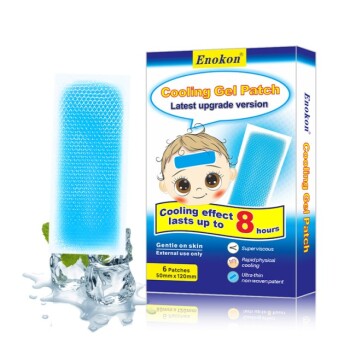
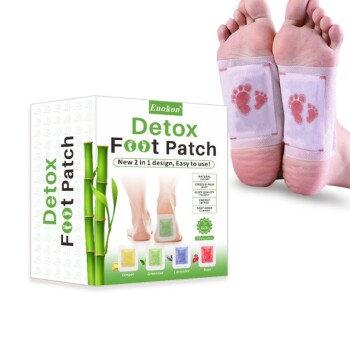
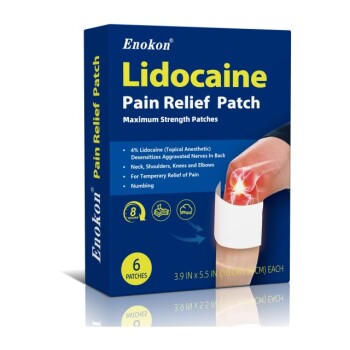
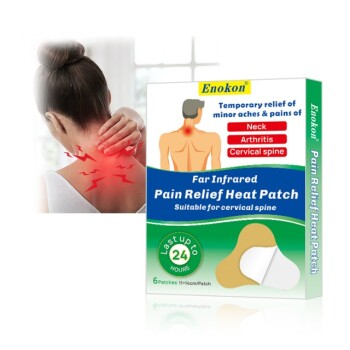
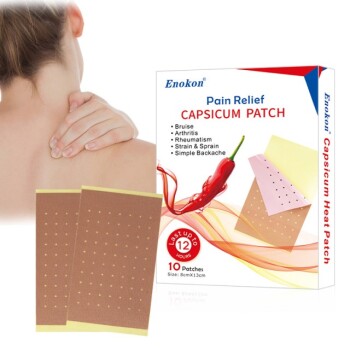
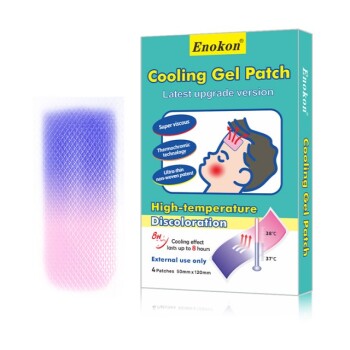
- Comprehensive Product Range: Wholesale production of Lidocaine, Menthol, Capsicum, Herbal, and Far Infrared pain relief patches, plus Eye Protection, Detox, and Medical Cooling Gel patches (excluding microneedle technology).
- Industrial Scalability: High-speed coating lines designed for stringent quality control and high-volume delivery.
Ready to enhance your product efficacy and market reach?
Contact Enokon Today to Discuss Your Project
References
- Chunyi Zhao, Liang Fang. Effect of isopropyl myristate on the viscoelasticity and drug release of a drug-in-adhesive transdermal patch containing blonanserin. DOI: 10.1016/j.apsb.2016.05.012
This article is also based on technical information from Enokon Knowledge Base .
Related Products
- Silicone Scar Sheets Patch Transdermal Drug Patch
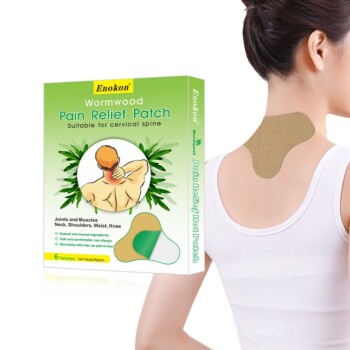
- Mugwort Wormwood Pain Relief Patch for Neck Pain
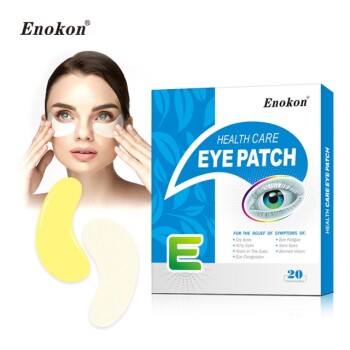
- Hydra Gel Health Care Eye Patch
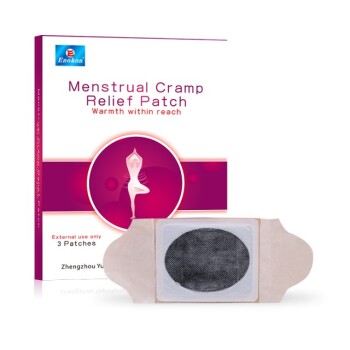
- Heating Pain Relief Patches for Menstrual Cramps
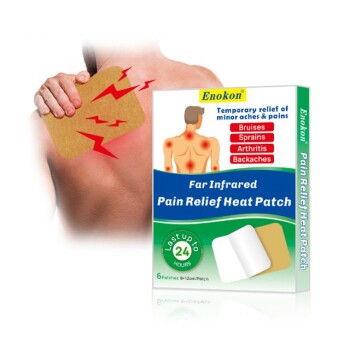
- Far Infrared Heat Pain Relief Patches Transdermal Patches
People Also Ask
- What is the function of PDMS-NH2 in silicone patches? Catalyzing Room-Temp Curing for Heat-Sensitive APIs
- What role does a silicone-based transdermal delivery system play in Parkinson's? Enhancing Early-Stage Patient Care
- Why is TEOS used as a cross-linking agent in silicone transdermal patches? Ensure Structural Integrity & Drug Stability
- How do PEG 200 and Glycerol modify silicone transdermal patches? Optimize Drug Release and Patch Flexibility
- How is the long-term skin tolerance of silicone-based transdermal patches evaluated in clinical settings? R&D and Safety