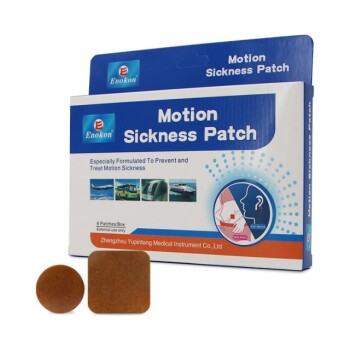
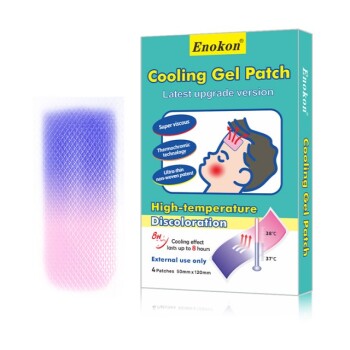
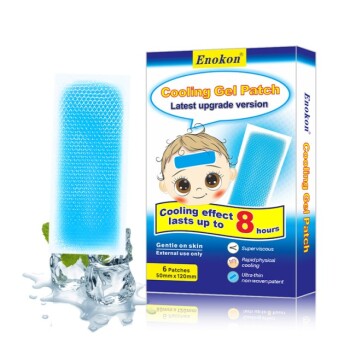
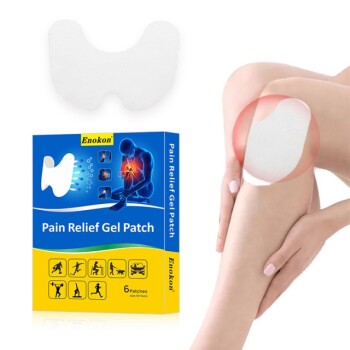
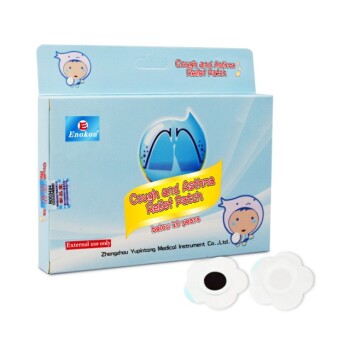
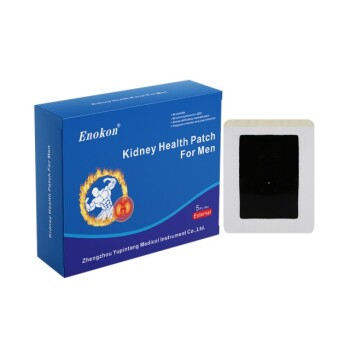
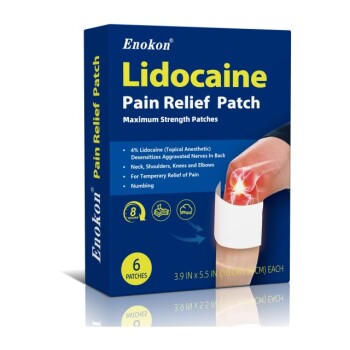
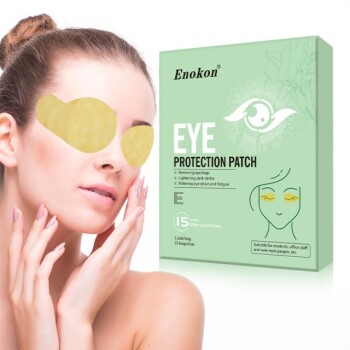
A laboratory desiccator is a critical safeguard against moisture-induced degradation in transdermal drug delivery systems. By utilizing internal drying agents like silica gel or calcium chloride, these sealed chambers create a low-humidity environment that prevents the absorption of atmospheric moisture. This preservation is essential to maintain the matrix integrity, adhesive performance, and pharmacological stability of the patches during the rigorous R&D and quality control phases of large-scale manufacturing.
Core Takeaway: Desiccators provide a controlled, moisture-free environment that is indispensable for maintaining the physicochemical properties and drug release characteristics of transdermal patches, ensuring they meet the high standards required for global distribution and clinical efficacy.
Preserving Physical and Chemical Integrity
Maintaining Matrix Stability
Transdermal patches often utilize hydrophilic polymers such as HPMC (Hydroxypropyl Methylcellulose) or natural polysaccharides which are naturally hygroscopic. Without the controlled environment of a desiccator, these materials absorb ambient moisture, leading to matrix swelling and structural damage. In an enterprise-level R&D setting, preventing this absorption is vital to ensure the patch retains its intended thickness and density.
Protecting Pharmacological Efficacy
Moisture is a common catalyst for chemical degradation, which can compromise the active pharmaceutical ingredients (APIs) within the patch. By eliminating humidity, a desiccator ensures that the drug remains stable and that the release characteristics are not prematurely altered. This level of control is a hallmark of GMP-certified facilities that prioritize long-term product shelf-life and brand reliability.
Ensuring Adhesion and Mechanical Performance
Preventing Softening and Tackiness Issues
Environmental humidity can cause transdermal films to become prematurely sticky or soft, a phenomenon that significantly impacts the user experience and product performance. A desiccator maintains the physical hardness of the patch, ensuring that it does not lose its tackiness or become difficult to handle during the packaging process. This preservation of mechanical strength is critical for high-volume delivery where consistency across batches is paramount.
Supporting Accurate Evaluation Data
For brand owners and researchers, the desiccator is essential for conducting accurate hygroscopicity and moisture content tests. By storing samples in a constant low-humidity environment, labs can generate reproducible data on how the patches perform under various stresses. This scientific rigor ensures that the final product will perform predictably once it reaches the consumer.
Understanding the Trade-offs and Limitations
Maintenance of Internal Desiccants
A desiccator is only as effective as the drying agents it contains, such as calcium chloride or silica gel. If these agents become saturated, the internal environment loses its low-humidity status, potentially compromising an entire batch of R&D samples. Large-scale operations must implement stringent SOPs for the regular monitoring and regeneration of these desiccants to maintain an uninterrupted dry chain.
Limits of Primary Packaging vs. Lab Storage
While a desiccator is ideal for the R&D and testing phases, it does not replace the need for high-quality secondary moisture barriers, such as wax paper or foil pouches, in the final packaging. Over-reliance on lab-controlled environments without considering the realities of the global supply chain can lead to stability issues once the product leaves the facility. The goal is to bridge the gap between optimal laboratory preservation and robust commercial packaging.
Strategic Integration for Brand Owners and Distributors
How to Apply This to Your Product Standards
- If your primary focus is product shelf-life: Ensure your manufacturing partner utilizes desiccators during the stabilization phase to prevent moisture-induced drug degradation before final sealing.
- If your primary focus is adhesive consistency: Mandate that all physical performance testing be conducted on samples stored in controlled low-humidity environments to guarantee the patch stays on the patient as intended.
- If your primary focus is scaling global distribution: Look for partners with GMP-certified R&D labs that use desiccation to validate the moisture uptake rates of your custom formulations.
By prioritizing precise humidity control during the preservation process, brand owners can ensure their transdermal products maintain the highest levels of quality and safety from the lab to the end-user.
Summary Table:
| Key Benefit | Mechanism of Action | Impact on Patch Performance |
|---|---|---|
| Matrix Stability | Prevents moisture absorption by hydrophilic polymers | Maintains consistent thickness and structural integrity. |
| Drug Efficacy | Eliminates humidity-induced chemical catalysts | Preserves API stability and ensures predictable release rates. |
| Adhesive Quality | Maintains physical hardness and tackiness | Prevents patches from becoming soft, sticky, or difficult to handle. |
| R&D Accuracy | Creates a controlled, low-humidity environment | Ensures reproducible data for hygroscopicity and moisture testing. |
Scale Your Brand with Enokon’s Manufacturing Excellence
Partner with Enokon, a trusted manufacturer and leader in transdermal drug delivery systems. We offer brand owners, distributors, and wholesalers a seamless path from custom R&D to high-volume production. Our GMP-certified facilities ensure every patch—from Lidocaine and Menthol to Herbal and Far Infrared formulas—meets the highest standards of stability and adhesion.
Why choose Enokon?
- Turnkey OEM/ODM Solutions: Custom formulations and R&D (excluding microneedles).
- Massive Production Capacity: Reliable delivery for global distribution.
- Stringent Quality Control: Advanced preservation techniques for maximum shelf-life.
Ready to enhance your product line with premium Medical Cooling Gel, Detox, or Pain Relief patches?
Contact Enokon Today for a Custom Quote
References
- ANJU PARAMBIL, Vellapandian Chitra. PREPARATION AND CHARACTERIZATION OF TRIFLUOPERAZINE LOADED TRANSDERMAL PATCHES FOR SUSTAINED RELEASE. DOI: 10.22159/ijap.2021v13i6.42413
This article is also based on technical information from Enokon Knowledge Base .
Related Products
- Silicone Scar Sheets Patch Transdermal Drug Patch
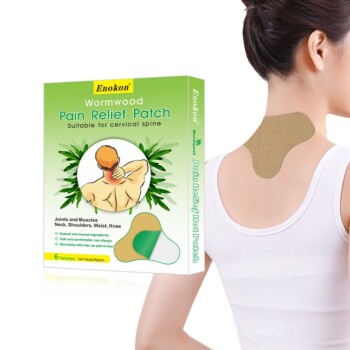
- Mugwort Wormwood Pain Relief Patch for Neck Pain
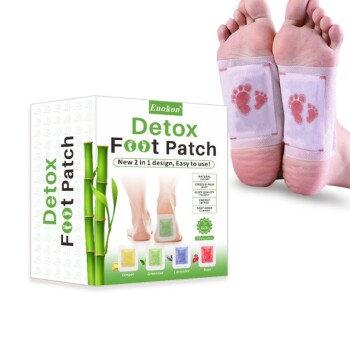
- Detox Foot Patches for Detoxification
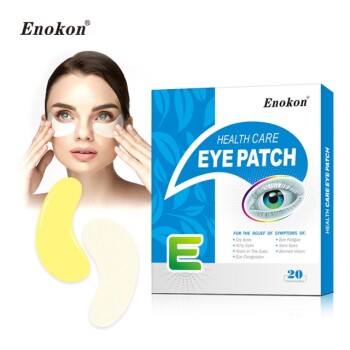
- Hydra Gel Health Care Eye Patch
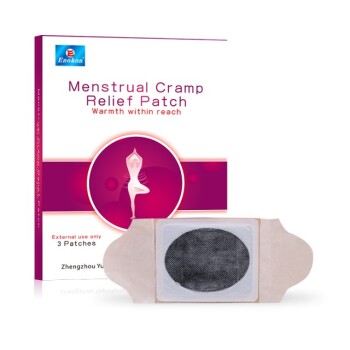
- Heating Pain Relief Patches for Menstrual Cramps
People Also Ask
- What is the function of PDMS-NH2 in silicone patches? Catalyzing Room-Temp Curing for Heat-Sensitive APIs
- What role does a silicone-based transdermal delivery system play in Parkinson's? Enhancing Early-Stage Patient Care
- Why is TEOS used as a cross-linking agent in silicone transdermal patches? Ensure Structural Integrity & Drug Stability
- How do PEG 200 and Glycerol modify silicone transdermal patches? Optimize Drug Release and Patch Flexibility
- How is the long-term skin tolerance of silicone-based transdermal patches evaluated in clinical settings? R&D and Safety