A shear adhesion tester is a non-negotiable instrument for ensuring the structural integrity of transdermal drug delivery systems. It quantifies the "holding power" of a patch by measuring the time it takes for a sample to detach from a standardized substrate under a constant parallel load. This data allows R&D teams to optimize adhesive formulations, ensuring patches remain securely in place during patient movement while preventing the leakage of adhesive residue.
For brand owners and B2B distributors, shear adhesion testing serves as a critical quality benchmark, guaranteeing that custom-formulated patches maintain their physical stability and therapeutic efficacy over multi-day wear cycles.
Validating Cohesive Strength in Complex Formulations
Maintaining Matrix Integrity
The shear adhesion tester evaluates the internal cohesive strength of the drug-loaded pressure-sensitive adhesive (PSA) layer. This measurement is vital because it determines if the adhesive molecules will stay bonded to each other or fail internally under stress.
Balancing Drug Release and Adhesion
In advanced R&D, adding active pharmaceutical ingredients (APIs) or chemical enhancers can often soften the adhesive matrix. Testing ensures that the drug-to-adhesive ratio provides optimal therapeutic release without compromising the patch's ability to stay attached to the patient.
Scientific Evaluation of Polymer Stability
By recording the exact time a patch resists tangential forces, researchers can scientifically grade the performance of different polymer blends. This allows for the selection of high-performance materials that meet the rigorous standards required for global pharmaceutical markets.
Ensuring Performance in Real-World Conditions
Resisting Tangential Forces
In a clinical or consumer setting, patches are subjected to constant friction from clothing and the stretching of human skin. Shear testing simulates these parallel gravitational and frictional forces, proving the patch won't shift or detach prematurely during daily patient activity.
Durability for Multi-Day Applications
Many modern transdermal therapies, such as those for chronic pain or hormone replacement, require wear periods of 48 hours to 7 days. High shear resistance is the only way to ensure the delivery system remains stable and effective for the entire duration of the treatment.
Consistency Across Environmental Variables
Shear testers are often used within controlled environments to measure how temperature and humidity affect adhesive persistence. This is critical for brand owners who distribute products across diverse global climates with varying environmental stressors.
Quality Control and Brand Protection
Preventing Adhesive Residue and "Black Rings"
Low cohesive strength often leads to "oozing" or the formation of dark adhesive residue around the patch edges, commonly known as black rings. Stringent shear testing during the R&D phase prevents these aesthetic and hygienic issues, protecting the brand's reputation for quality.
Compliance with GMP and Global Standards
Utilizing industrial-grade mechanical testing instruments is a requirement for GMP-certified manufacturing. For B2B partners, this level of testing provides the documented proof of quality needed for regulatory filings and large-scale commercial distribution.
Reliability in High-Volume Production
For manufacturers operating at an enterprise scale, shear testing ensures that every batch produced in high-volume runs maintains the same mechanical properties as the original prototype. This consistency is essential for maintaining long-term contracts with major healthcare brands.
Understanding the Trade-offs
Cohesion vs. Peel Adhesion
A common pitfall in formulation is over-optimizing for shear strength (cohesion) at the expense of peel adhesion. While high shear prevents the patch from sliding, excessive cohesive strength can sometimes make the patch too rigid, potentially leading to skin trauma or difficulty during removal.
Temperature Sensitivity
Shear strength is not a static value; it is highly dependent on temperature. A patch that performs well at room temperature may fail at body temperature (32°C - 37°C), making it essential to conduct shear tests that simulate the warmth of human skin to avoid inaccurate performance data.
Selecting the Right Partner for Transdermal R&D
When evaluating a contract manufacturing partner or a new product formulation, the presence of rigorous mechanical testing protocols is a key indicator of professional-grade R&D.
- If your primary focus is long-term wear applications: Ensure your partner provides shear testing data that exceeds the intended wear time to account for a margin of safety during patient movement.
- If your primary focus is sensitive skin or pediatric use: Look for a balance between high shear resistance and low peel force to ensure the patch stays on but removes gently.
- If your primary focus is global distribution: Prioritize partners who use standardized stainless steel substrates and GMP-compliant testing environments to ensure data is recognized by international regulatory bodies.
- If your primary focus is complex drug formulations: Verify that shear testing is conducted on the final, drug-loaded matrix, as APIs significantly alter the adhesive's physical properties.
By integrating precise shear adhesion metrics into the development lifecycle, you ensure a product that is as reliable in the hands of the patient as it was in the laboratory.
Summary Table:
| Key Metric | R&D Significance | B2B Market Benefit |
|---|---|---|
| Cohesive Strength | Prevents internal adhesive failure | Eliminates "black rings" & residue |
| Wear Durability | Resists tangential & parallel forces | Ensures stability for 48h - 7-day use |
| Formulation Balance | Optimizes drug-to-adhesive ratio | Maintains therapeutic efficacy & safety |
| Environmental Stability | Simulates body heat & humidity | Guarantees performance in global climates |
Partner with Enokon for Scientifically Validated Transdermal Solutions
As a leading manufacturer and R&D expert, Enokon understands that structural integrity is the foundation of a successful transdermal product. We provide brand owners, distributors, and wholesalers with enterprise-level manufacturing scale and rigorous quality control protocols to ensure every patch meets global standards.
Our R&D and Manufacturing Capabilities Include:
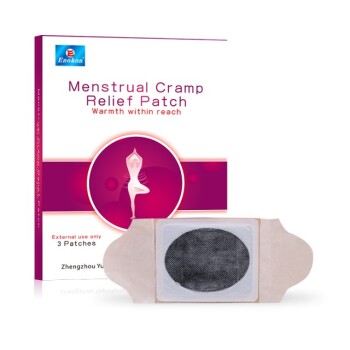
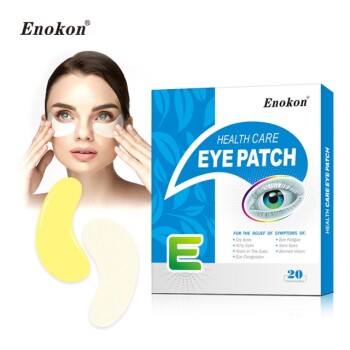
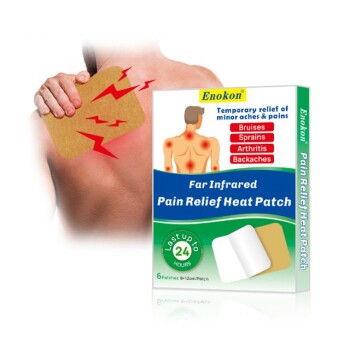
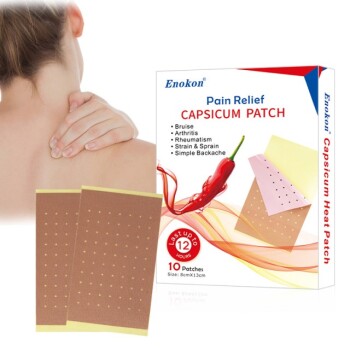
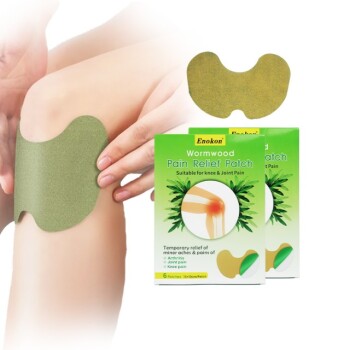
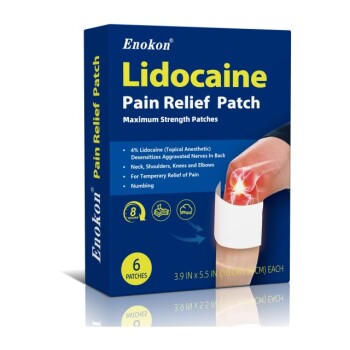
- Comprehensive Product Range: High-quality Lidocaine, Menthol, Capsicum, Herbal, and Far Infrared pain relief patches, plus Eye Protection, Detox, and Medical Cooling Gel solutions (excluding microneedle technology).
- Turnkey OEM/ODM Support: From custom formulations and polymer R&D to final packaging, we offer a seamless path to market.
- Reliable Scalability: GMP-certified facilities capable of high-volume delivery with consistent mechanical performance.
- Market Reliability: Scientific shear testing ensures your brand avoids adhesive residue issues, protecting your reputation and profit margins.
Elevate your product portfolio with a partner who prioritizes precision and performance.
Contact Enokon Today for Custom R&D and Wholesale Solutions
References
- Chunyi Zhao, Liang Fang. Effect of isopropyl myristate on the viscoelasticity and drug release of a drug-in-adhesive transdermal patch containing blonanserin. DOI: 10.1016/j.apsb.2016.05.012
This article is also based on technical information from Enokon Knowledge Base .
Related Products
- Silicone Scar Sheets Patch Transdermal Drug Patch
- Mugwort Wormwood Pain Relief Patch for Neck Pain
- Detox Foot Patches for Detoxification
- Heating Pain Relief Patches for Menstrual Cramps
- Hydra Gel Health Care Eye Patch
People Also Ask
- What is the function of PDMS-NH2 in silicone patches? Catalyzing Room-Temp Curing for Heat-Sensitive APIs
- What role does a silicone-based transdermal delivery system play in Parkinson's? Enhancing Early-Stage Patient Care
- Why is TEOS used as a cross-linking agent in silicone transdermal patches? Ensure Structural Integrity & Drug Stability
- How do PEG 200 and Glycerol modify silicone transdermal patches? Optimize Drug Release and Patch Flexibility
- How is the long-term skin tolerance of silicone-based transdermal patches evaluated in clinical settings? R&D and Safety