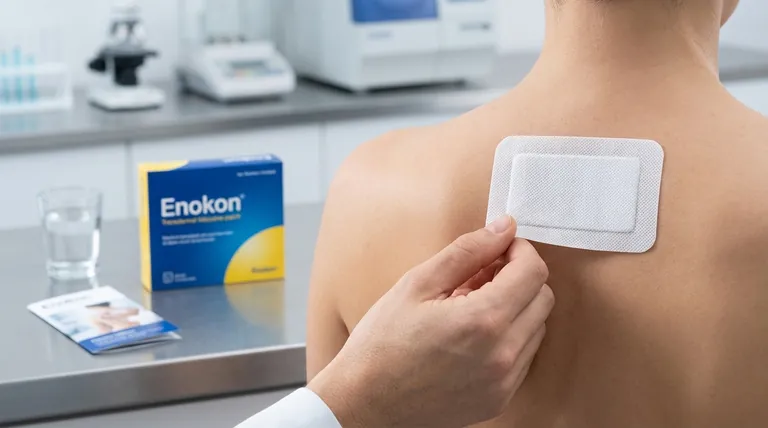
The Tyranny of a Single Point of Pain
Chronic pain isn't just a sensation; it's a thief. It steals focus, peace, and mobility. Consider post-herpetic neuralgia (PHN), the lingering nerve pain after a shingles infection. It doesn’t ache everywhere; it burns, stabs, and electrifies a very specific patch of skin.
The psychological weight of this is immense. Sufferers begin to map their lives around this "geography of pain." They avoid certain clothes, sleep in contorted positions, and flinch from a gentle touch. The problem is intensely local, yet the traditional solution—oral painkillers—is global. It floods the entire system to quiet a single, screaming nerve. This is like shutting down a city's power grid to fix a faulty streetlight.
The Principle of Precision: A Firewall for Pain
This is where the transdermal lidocaine patch represents a profound shift in thinking. It’s not just another way to deliver a drug; it's a more intelligent one.
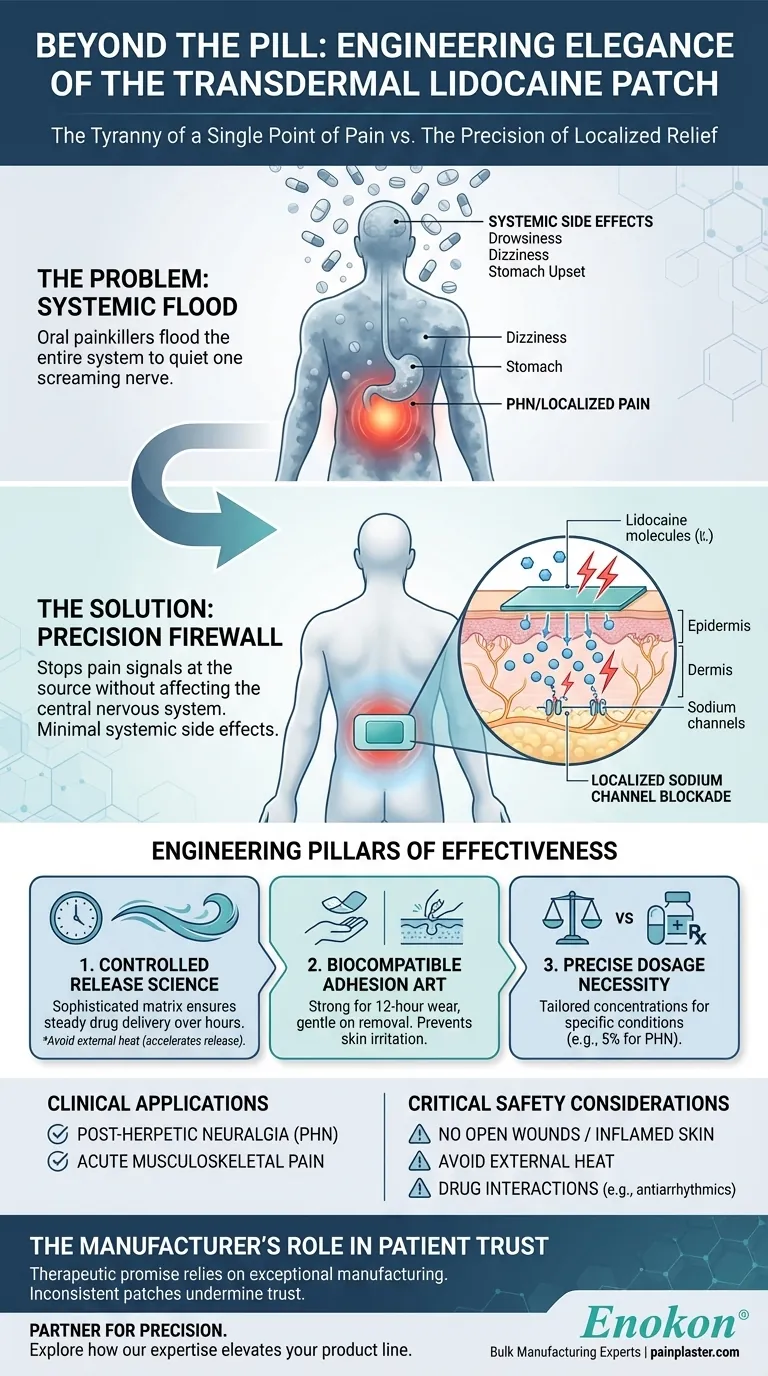
Its mechanism is elegant in its directness. Lidocaine works by blocking sodium channels in the nerve endings of the skin. By preventing these channels from opening, it stops the nerve from sending pain signals to the brain. The patch acts as a localized firewall, interrupting the pain message at its source without affecting the central nervous system.
This targeted approach dramatically reduces the risk of systemic side effects—like drowsiness, dizziness, or stomach upset—that are common with oral analgesics. The relief is contained precisely where it is needed.
More Than a Sticker: The Engineering of a Delivery System
The simple appearance of a patch belies the complex engineering required to make it effective. Its success depends on a delicate balance of pharmacology and material science. For any healthcare brand or distributor, understanding these technical pillars is crucial.
1. The Science of Controlled Release
The patch isn't just a lidocaine-soaked bandage. It contains a sophisticated matrix or reservoir system designed to release the drug at a steady, controlled rate over many hours. This consistency is vital for sustained relief. It's why applying external heat (like a heating pad) is dangerous—it can accelerate drug release, leading to potential toxicity.
2. The Art of Biocompatible Adhesion
A patch is useless if it doesn't stick. The adhesive must be strong enough to endure movement for up to 12 hours yet gentle enough to be removed without damaging sensitive skin. Most common side effects, like redness and itching, are often a direct result of a suboptimal adhesive or material interaction. Quality manufacturing makes the difference between a comfortable patch and a skin irritant.
3. The Necessity of Precise Dosage
Not all pain is equal, and neither are all patches. The distinction between a lower-dose Over-the-Counter (OTC) patch for a minor muscle strain and a 5% prescription-strength patch for severe PHN is critical. The concentration of lidocaine must be precisely formulated and verified to ensure both safety and efficacy for the intended condition.
A Clinical Tool for Targeted Applications
While versatile, the lidocaine patch is a specialized tool. Its primary applications showcase its unique strengths.
- Post-Herpetic Neuralgia (PHN): This is the FDA-approved indication, offering relief where other treatments may fail.
- Acute Musculoskeletal Pain: Studies show its effectiveness for localized soft tissue injuries like tendonitis or sprains, making it valuable in sports medicine and physical therapy.
However, its precision demands responsible use. Patches must never be applied to open wounds or inflamed skin. Furthermore, healthcare providers must be aware of potential drug interactions, particularly with antiarrhythmic drugs, which can have compounded cardiac effects.
| Aspect | Key Consideration |
|---|---|
| Primary Use | Post-herpetic neuralgia (PHN) & localized musculoskeletal pain. |
| Mechanism | Localized sodium channel blockade at the application site. |
| Key Advantage | Minimal systemic side effects compared to oral medications. |
| Critical Risks | Skin irritation, incorrect application (heat/open wounds). |
| Contraindications | Use with antiarrhythmics, on broken or infected skin. |
The Manufacturer's Role in Patient Trust
The therapeutic promise of a transdermal patch is only realized through exceptional manufacturing. For a pharmaceutical distributor or healthcare brand, the choice of a manufacturing partner is a choice about patient outcomes. A patch that peels off, delivers an inconsistent dose, or irritates the skin undermines patient trust and therapeutic goals.
This is where specialized expertise becomes non-negotiable. Enokon focuses on the bulk manufacturing of high-quality transdermal systems, translating the elegant principle of localized delivery into reliable, effective products. Our deep experience in formulation, adhesion technology, and custom R&D ensures that every patch meets the highest standards of safety and performance.
For healthcare brands committed to providing truly effective pain management solutions, the quality of the delivery system is paramount. Contact Our Experts to explore how precision manufacturing can elevate your product line.
Visual Guide
Related Products
- Lidocaine Hydrogel Pain Relief Patch for Pain Relief
- Silicone Scar Sheets Patch Transdermal Drug Patch
- Far Infrared Heat Pain Relief Patches Transdermal Patches
- Menthol Gel Pain Relief Patch
- Icy Hot Menthol Medicine Pain Relief Patch
Related Articles
- Beyond the Adhesive: The Precarious Balance of Transdermal Drug Delivery
- The Unseen Dangers of Numbness: Navigating the Physics and Psychology of Lidocaine Patches
- The Efficacy Paradox: Why Lower-Dose Lidocaine Patches Are Redefining Pain Management
- Beyond the Patch: The Hidden Dialogue Between Lidocaine, Your Body, and Your Lifestyle
- Beyond Efficacy: The Psychology of Adherence in Topical Pain Relief
















