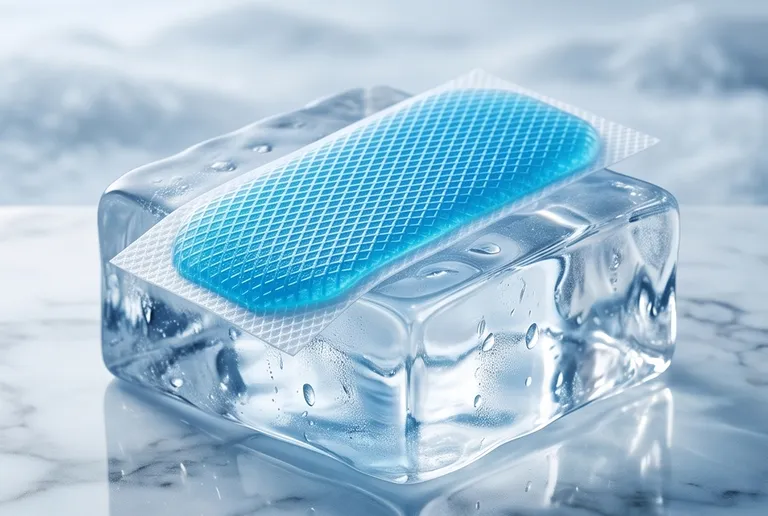
The Illusion of Simplicity
A testosterone transdermal patch seems deceptively simple. It’s a small, adhesive square that you apply to your skin. We mentally file it away with common bandages, storing it in a bathroom cabinet or a drawer, subject to the whims of household temperature and humidity.
This is a profound psychological error. We mistake its simple appearance for simple technology.
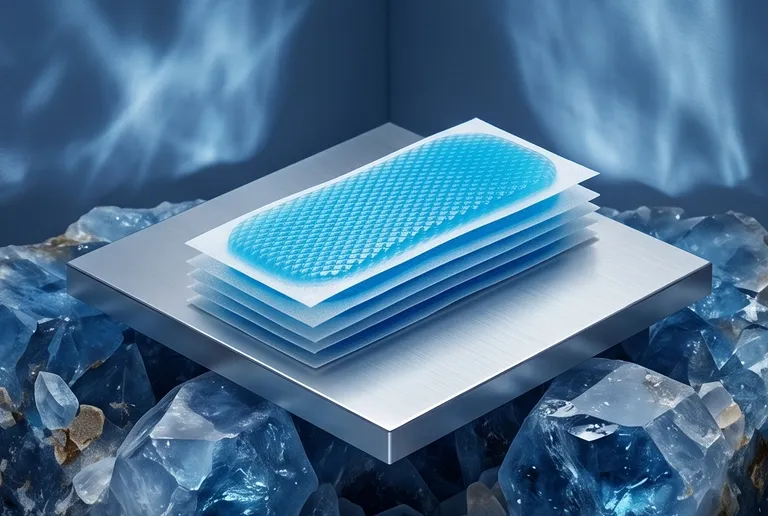
In reality, a transdermal patch is a marvel of pharmaceutical engineering. It's a multi-layered, precision-controlled drug delivery system. The adhesive isn't just for sticking; it's a matrix containing a carefully calibrated dose of a potent hormone, designed to release it at a steady rate through the skin.
When we neglect storage guidelines, we aren't just being careless. We are actively dismantling a sophisticated piece of engineering.
The Physics of Failure
The prescribed storage conditions—a controlled room temperature between 68°F and 77°F (20°C to 25°C), away from light and moisture—are not arbitrary suggestions. They are based on the fundamental laws of chemistry and physics.
Temperature: The Chemical Accelerator
Think of heat as a universal accelerator for chemical reactions. For every 10°C rise in temperature, the rate of chemical degradation can double or triple. When a patch is left in a hot car or on a sunlit windowsill, the active testosterone ingredient can begin to break down. The adhesive polymer can soften, altering its structure and the drug release rate.
The result isn't just a less effective patch. It's an unpredictable one. You might get a sudden, uncontrolled dose, or you might get nothing at all.
Light & Moisture: The Silent Saboteurs
Direct light, especially UV radiation, is a powerful energy source that can sever chemical bonds, rendering the active ingredient inert. Humidity is equally insidious. Moisture can compromise the adhesive's grip, but more critically, it can cause the drug within the patch to crystallize or change its physical form, making it impossible for it to pass through the skin as intended.
The bathroom cabinet, the most common storage spot for medical items, is often the worst possible environment due to constant steam and humidity.
The Pouch Is More Than Packaging
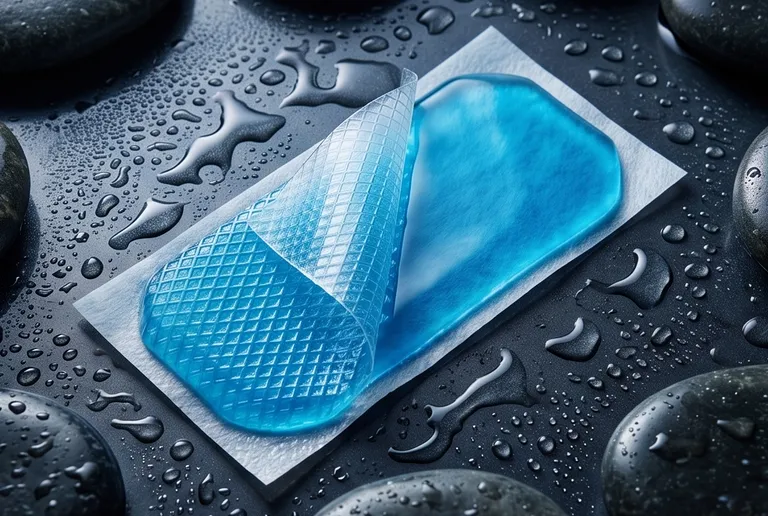
This is why each patch is sealed in its own protective pouch. That pouch is not mere packaging; it's a carefully engineered micro-environment. It provides a barrier against light, oxygen, and moisture, preserving the delicate equilibrium of the system inside.
Once that seal is broken, the clock starts ticking. The patch is exposed to the ambient environment, and the process of degradation begins. This is why an opened patch must be used immediately. It cannot be saved for later. Its stability is no longer guaranteed.
The Last Mile Problem: From Manufacturing to Patient
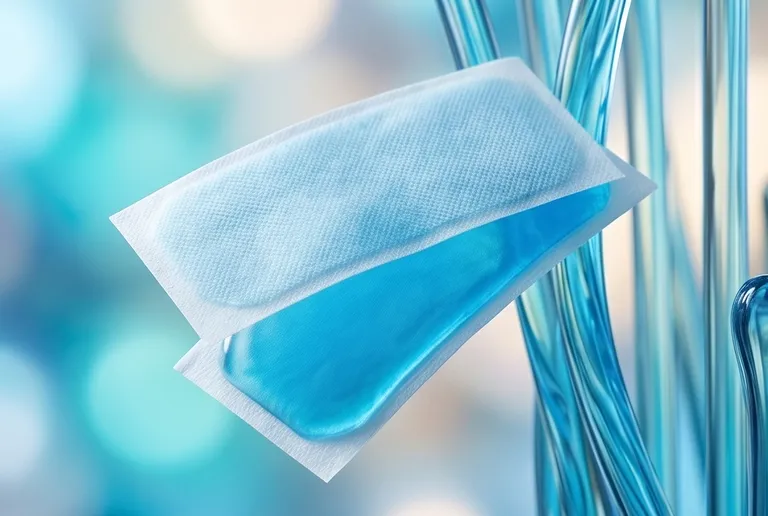
The responsibility for a patch's integrity doesn't begin with the patient. It starts at the point of creation. A manufacturer must consider the entire lifecycle of the product. How will it withstand temperature fluctuations in a shipping container, a warehouse, or a mailbox on a hot summer day?
This "last mile" problem is where true engineering expertise becomes critical.
Engineering for Real-World Resilience
Designing a stable transdermal system requires a deep understanding of material science, polymer chemistry, and pharmaceutical formulation. It means selecting adhesives that remain stable across a range of temperatures, choosing backing materials that are impermeable, and designing packaging that can withstand the rigors of global distribution.
At Enokon, we specialize in exactly this. As a bulk manufacturer for pharmaceutical brands and distributors, our focus is on building reliability into the very core of the product. Our R&D process is dedicated to creating robust transdermal systems that maintain their integrity not just in a lab, but in the unpredictable reality of the supply chain and the patient's home.
Disposal: The Final Act of Responsibility
Even after use, a patch contains a significant amount of residual hormone. Simply tossing it in the trash creates a risk of accidental exposure to children or pets.
The recommended disposal protocol—folding the patch in half, adhesive sides together, and sealing it in its original pouch—is the final step in responsible engineering. It’s an act of containment, neutralizing the risk and closing the loop on the product’s lifecycle.
Storage & Handling at a Glance
For clarity, these critical parameters are summarized below:
| Storage Factor | Guideline | Why It Matters |
|---|---|---|
| Temperature | 68°F to 77°F (20°C to 25°C) | Prevents chemical degradation and dose variability. |
| Light Exposure | Store away from direct light | Stops UV radiation from breaking down the drug. |
| Moisture | Keep in a dry place (avoid bathrooms) | Maintains adhesive integrity and drug stability. |
| Packaging | Keep sealed in original pouch until use | Protects from environmental contamination. |
| Opened Patches | Use immediately or discard | Stability is no longer guaranteed once exposed. |
| Disposal | Fold adhesive sides together, return to pouch, discard | Prevents accidental exposure from residual drug. |
| Child Safety | Store in a locked cabinet or out of reach | Minimizes risk of severe harm from exposure. |
A transdermal patch is not just a product; it’s a promise of consistent, reliable therapy. Maintaining that promise requires a chain of custody built on a deep respect for the science behind it.
To ensure your transdermal products are engineered for stability and reliability from start to finish, Contact Our Experts.
Related Products
- Far Infrared Heat Pain Relief Patches Transdermal Patches
- Silicone Scar Sheets Patch Transdermal Drug Patch
- Icy Hot Menthol Medicine Pain Relief Patch
- Menthol Gel Pain Relief Patch
- Mugwort Wormwood Pain Relief Patch for Neck Pain
Related Articles
- Engineering Certainty: The Invisible Architecture of a Gold-Standard Clinical Trial
- The Silent Workhorse: How Transdermal Patches Rewrote the Rules of Pain Management
- Beyond the Pill: The Silent Engineering of Safer Pain Relief
- Beyond Efficacy: The Psychology of Adherence in Topical Pain Relief
- Beyond the Molecule: The Behavioral Science of the Simple Pain Patch



















