
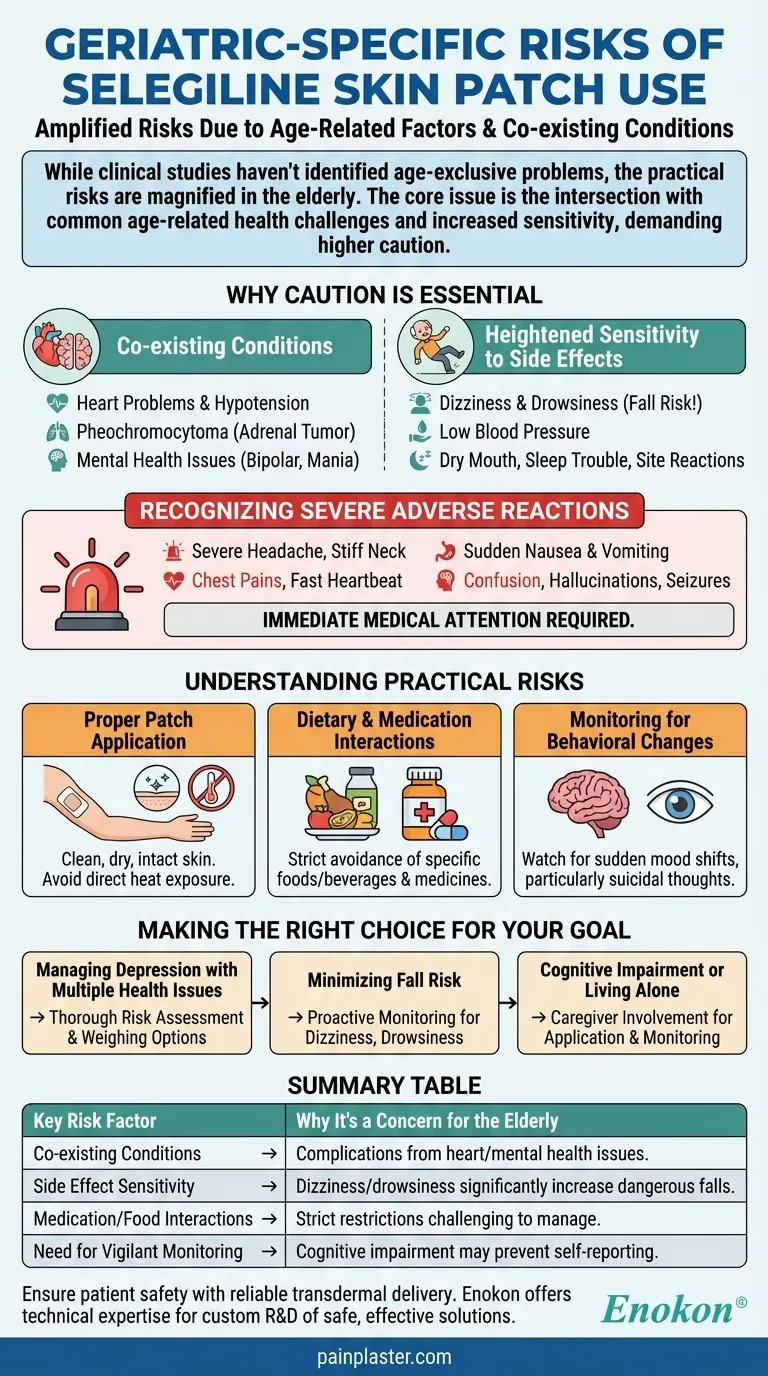
To be clear, while clinical studies have not identified problems that are specific only to the elderly, the practical risks associated with the selegiline skin patch are often amplified in geriatric patients. This is primarily due to the higher prevalence of co-existing medical conditions and a greater sensitivity to potential side effects.
The core issue isn't that the selegiline patch affects older adults differently, but that older adults often bring a unique set of health challenges—like heart conditions or fall risks—that demand a higher level of caution and monitoring when using this medication.
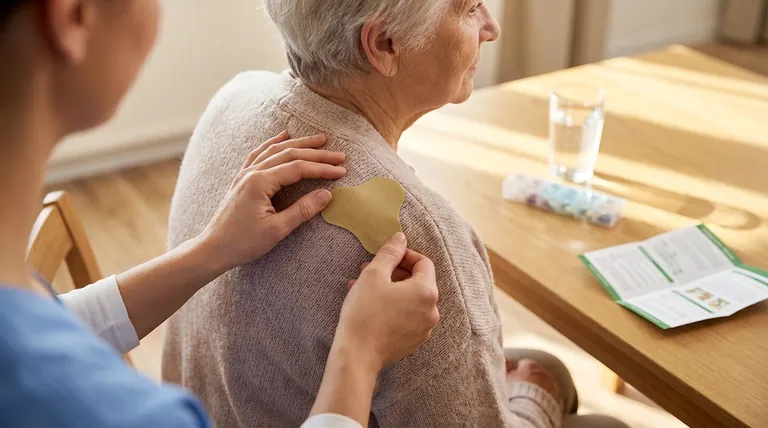
Why Caution is Still Essential in Geriatric Patients
While the drug's mechanism isn't uniquely problematic for the elderly, its potential effects on the body can intersect with common age-related vulnerabilities. A careful evaluation of the patient's overall health is non-negotiable.
The Impact of Co-existing Conditions
Many medical conditions that are more common in older adults can be complicated by selegiline use.
It is critical to discuss any history of heart problems, low blood pressure (hypotension), or pheochromocytoma (a type of adrenal gland tumor) with a physician.
A history of mental health issues, particularly bipolar disorder, mania, or hypomania, also requires careful consideration before starting treatment.
Heightened Sensitivity to Side Effects
Side effects that might be a minor inconvenience for a younger person can pose a significant risk to an older adult.
Dizziness, drowsiness, and low blood pressure can dramatically increase the risk of falls, which can lead to severe injury in geriatric patients.
Other potential side effects include dry mouth, trouble sleeping, and application site reactions. While less dangerous, they can impact quality of life and medication adherence.
Recognizing Severe Adverse Reactions
Caregivers and patients must be vigilant for signs of a serious reaction, which requires immediate medical attention.
Key warning signs include a severe headache, stiff neck, chest pains, a fast heartbeat, or sudden nausea and vomiting.
In rare cases, more severe central nervous system effects like confusion, hallucinations, or seizures can occur.
Understanding the Practical Risks
Safe and effective use of the selegiline patch hinges on following precise protocols for application, monitoring, and lifestyle adjustments. These steps are especially crucial for ensuring the well-being of an elderly user.
Proper Patch Application
The patch must be applied to clean, dry, and intact skin. Recommended locations are the upper chest, back, upper thigh, or the outer part of the upper arm.
Avoid applying it to areas with hair, oil, irritation, scars, or where tight clothing might rub against it.
It is critical to avoid exposing the patch site to direct heat, such as from heating pads or electric blankets, as this can increase the amount of medication absorbed and lead to dangerous side effects.
Critical Dietary and Medication Interactions
Patients using selegiline must be counseled to avoid certain foods, beverages, and other medicines that can interact negatively with it. A physician or pharmacist will provide a specific list.
Regular check-ups are necessary to monitor progress and check for any unwanted effects.
Monitoring for Behavioral Changes
Any sudden changes in mood or behavior, particularly the emergence of suicidal thoughts, must be reported to a doctor immediately.
Making the Right Choice for Your Goal
Ultimately, the decision to use the selegiline patch in an elderly patient requires balancing its benefits against a clear-eyed view of the potential risks.
- If the primary focus is managing depression in a patient with multiple health issues: A thorough risk assessment with their physician, weighing the patch against other treatment options, is the absolute first step.
- If the primary focus is minimizing fall risk: Proactive monitoring for dizziness, drowsiness, and low blood pressure is critical from the very first dose.
- If the patient has cognitive impairment or lives alone: The involvement of a caregiver to ensure proper patch application, monitor for side effects, and manage dietary restrictions is essential for safety.
Successful treatment in a geriatric patient is achievable through diligent monitoring and a strong partnership between the patient, caregivers, and their healthcare team.
Summary Table:
| Key Risk Factor | Why It's a Concern for the Elderly |
|---|---|
| Co-existing Conditions | Higher prevalence of heart issues, low blood pressure, and mental health conditions can complicate treatment. |
| Side Effect Sensitivity | Dizziness and drowsiness significantly increase the risk of dangerous falls. |
| Medication/Food Interactions | Requires strict dietary and medication restrictions, which can be challenging to manage. |
| Need for Vigilant Monitoring | Cognitive impairment may prevent self-reporting of severe side effects like confusion or hallucinations. |
Ensure patient safety with reliable transdermal delivery. For healthcare distributors and brands, managing medication risks is paramount. Enokon is a bulk manufacturer of reliable transdermal patches and pain plasters. Benefit from our technical expertise for custom R&D and development to create safe, effective solutions for sensitive patient populations. Contact our experts today to discuss your specific needs.
Visual Guide
Related Products
- Silicone Scar Sheets Patch Transdermal Drug Patch
- Menthol Gel Pain Relief Patch
- Icy Hot Menthol Medicine Pain Relief Patch
- Natural Herbal Wormwood Patch Pain Plaster
- Lidocaine Hydrogel Pain Relief Patch for Pain Relief
People Also Ask
- What role does a silicone-based transdermal delivery system play in Parkinson's? Enhancing Early-Stage Patient Care
- How is the long-term skin tolerance of silicone-based transdermal patches evaluated in clinical settings? R&D and Safety
- Why is a polarizing microscope used to evaluate the long-term stability of transdermal drug patches? Ensure Efficacy.
- What are common adverse effects of transdermal drug delivery? Risks & Prevention Tips
- What are the advantages of transdermal drug patches? Optimize Medication Delivery with Patches









