
No, these modifications do not improve efficacy. Based on clinical findings, neither the addition of ephedrine nor the use of a second Transdermal Therapeutic System - Scopolamine (TTS-S) patch enhances the medication's therapeutic benefits for conditions like motion sickness. Instead, these approaches are known to significantly increase the incidence of adverse side effects.
The core problem is a misunderstanding of dosage versus effect. Attempting to amplify the scopolamine patch's effectiveness by increasing the dose or adding another agent is a counterproductive strategy where the risk of harm rises sharply without any corresponding therapeutic gain.
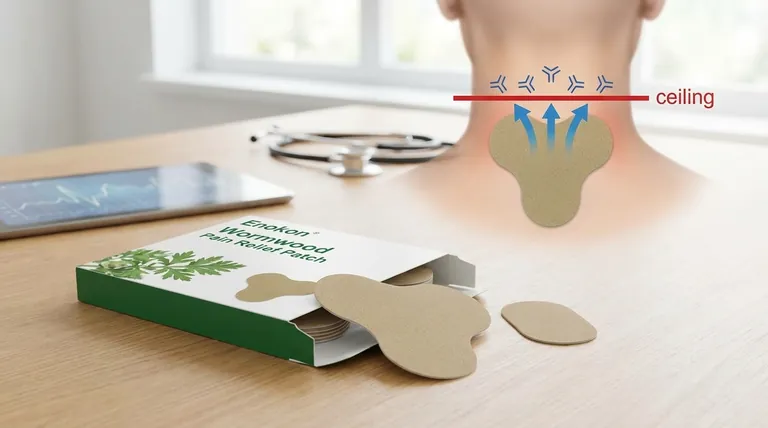
The Principle of a Therapeutic Ceiling
To understand why these modifications fail, we must first understand how scopolamine works and the concept of a "therapeutic ceiling."
Scopolamine's Mechanism of Action
Scopolamine is an anticholinergic drug. It functions by blocking the action of a neurotransmitter called acetylcholine, particularly in the vestibular system—the part of the inner ear and brain that manages balance and spatial orientation.
By dampening the signals from the vestibular system to the brain, scopolamine effectively prevents the sensory mismatch that causes motion sickness.
Reaching Maximum Benefit
Most medications have a therapeutic window, and scopolamine is no exception. The standard TTS-S patch is designed to deliver a steady, controlled dose that is optimal for achieving the desired anti-nausea effect in most people.
Once this optimal level is reached, the relevant receptors are sufficiently blocked. Adding more of the drug doesn't produce a stronger therapeutic effect because the system is already at its "ceiling" of maximum benefit.
Why Unapproved Modifications Backfire
Increasing the dosage beyond the therapeutic ceiling doesn't enhance the primary effect. Instead, the excess medication begins to affect other systems throughout the body, leading directly to an increase in negative side effects.
The Flaw in Using Two Patches
Applying a second patch effectively doubles the dose of scopolamine entering the bloodstream. This pushes the concentration well past the therapeutic ceiling.
While it won't make the patch better at preventing motion sickness, it will significantly increase the likelihood and severity of common anticholinergic side effects. These include severe dry mouth, blurred vision, drowsiness, dizziness, confusion, and even hallucinations.
The Danger of Adding Ephedrine
Ephedrine is a stimulant. The flawed logic behind this combination is often to counteract the sedative side effects of scopolamine.
However, this creates a conflicting "push-pull" effect on the central nervous system. It does not improve scopolamine's core function and introduces a new set of risks associated with stimulants, such as increased heart rate, anxiety, and blood pressure.
Understanding the Trade-offs: High Risk, No Reward
When considering these modifications, it's crucial to evaluate the risk-versus-reward profile objectively. In this case, the balance is overwhelmingly negative.
You Are Accepting Guaranteed Risk
The evidence is clear: the one certain outcome of adding a second patch or ephedrine is an increased rate of adverse effects. You are trading a possibility of zero therapeutic gain for a high probability of negative health consequences.
Masking the Real Problem
If a standard dose of TTS-S is not effective for you, it may indicate that your condition is particularly severe or that you have a low sensitivity to this specific medication. Attempting to brute-force a solution by increasing the dose masks this underlying issue and prevents you from finding a genuinely effective and safe alternative.
Unpredictable Pharmacological Interactions
Combining medications without clinical guidance is inherently risky. The interaction between a system depressant (scopolamine) and a stimulant (ephedrine) can be unpredictable and places unnecessary strain on your cardiovascular and neurological systems.
Making the Right Choice for Your Goal
Instead of pursuing ineffective and dangerous modifications, the correct approach is to align your strategy with your specific therapeutic goal under professional guidance.
- If your primary focus is managing severe motion sickness: Consult a healthcare professional to explore clinically proven alternatives or combination therapies that are tailored to your needs.
- If you are experiencing unacceptable side effects from a single patch: Do not attempt to counteract them with other drugs. The solution is to discuss a different medication or a non-pharmacological approach with your doctor.
- If your goal is to find a more effective treatment: Recognize that simply increasing the dose is not the answer. The path to better efficacy lies in finding the right treatment, not more of an ineffective one.
Ultimately, effective medical treatment is achieved through precise, evidence-based strategies, not unsupported dose escalations that only amplify risk.
Summary Table:
| Modification | Intended Goal | Actual Outcome |
|---|---|---|
| Using Two Patches | Increase effectiveness for severe motion sickness | No efficacy gain; significantly increases side effects (dry mouth, drowsiness, confusion). |
| Adding Ephedrine | Counteract scopolamine's sedative effects | No efficacy gain; introduces stimulant risks (increased heart rate, anxiety) and unpredictable interactions. |
Seeking a reliable, custom transdermal solution?
If your patients require consistent, controlled drug delivery, trust Enokon. As a bulk manufacturer of reliable transdermal patches and pain plasters for healthcare and pharma distributors, we combine technical expertise with custom R&D to develop solutions that work within the therapeutic window—maximizing benefits while minimizing risks.
Let's develop a safe and effective patch for your needs. Contact our experts today to discuss your project.
Visual Guide

Related Products
- Far Infrared Heat Pain Relief Patches Transdermal Patches
- Silicone Scar Sheets Patch Transdermal Drug Patch
- Icy Hot Menthol Medicine Pain Relief Patch
- Menthol Gel Pain Relief Patch
- Mugwort Wormwood Pain Relief Patch for Neck Pain
People Also Ask
- Why is the selection of matrix materials critical when developing customized transdermal patches? Optimize Efficacy
- What are the physical impacts of external heat exposure on the performance and safety of transdermal patches? - Guide
- What are the clinical advantages of local transdermal delivery systems? Unlock Safer, More Effective Pain Relief Solutions
- What role does a skin tolerance scoring system play in the safety evaluation of transdermal patches? Key Safety Metrics
- How does high-purity far-infrared ceramic powder contribute to the efficacy of far-infrared physical therapy patches?












